

Welcome to our news page, where we disseminate information and stories from leading thinkers in Global South Studies, as well as complementary content from both TWQ and CAS journals.
News:
-
Maísa Edwards on Building Cooperation in the South Atlantic and Beyond
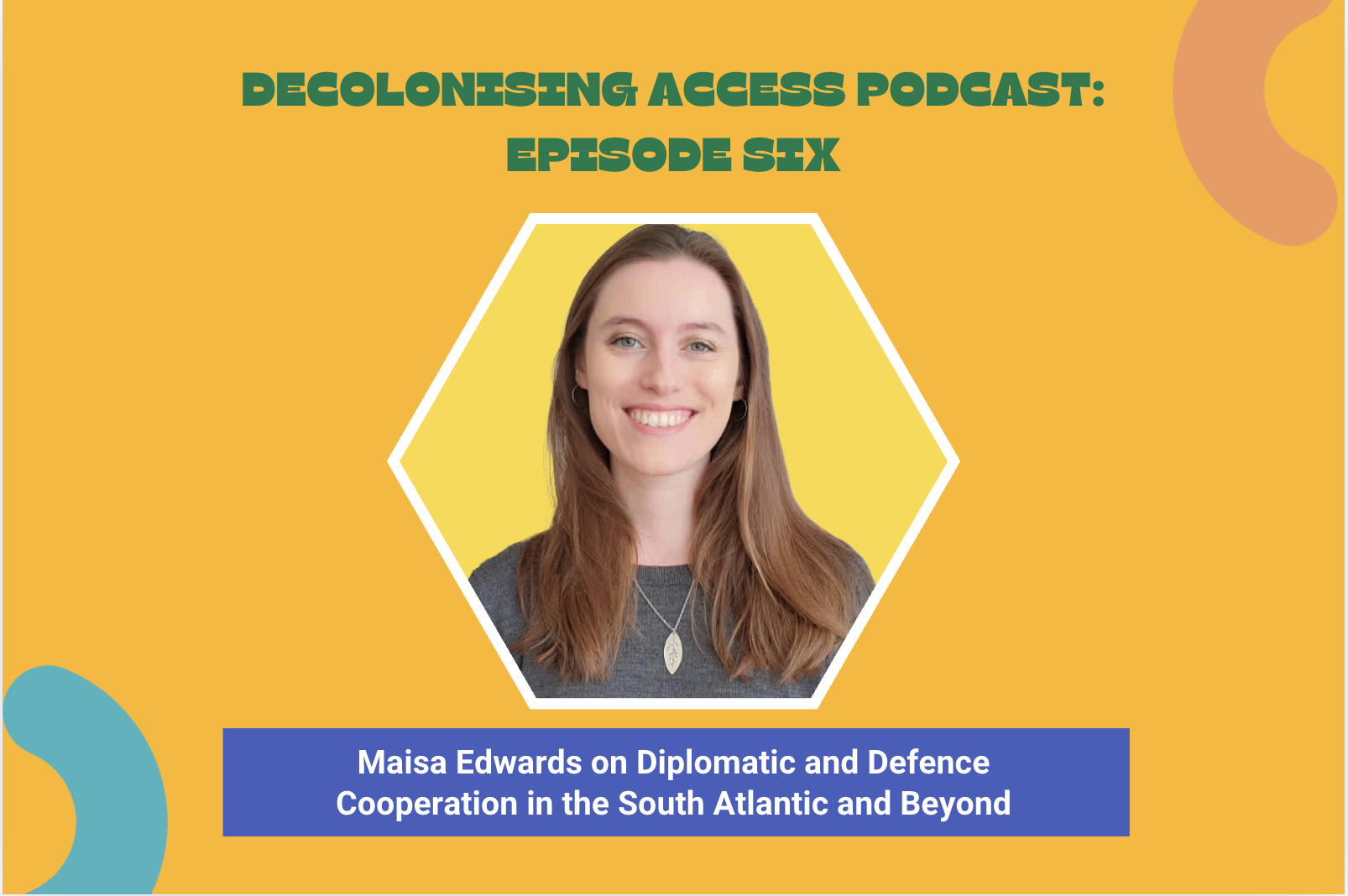
Decolonising Access Podcast: Episode Six “Energy security is becoming such a defining feature of strategic planning both national governments and global energy markets… it’s something that we really try to bring to the attention of our readers, just how much countries like Brazil, Nigeria and Angola could potentially work together to strengthen their energy security…
-

Beyond the North-South Binary: Rethinking Climate Justice
Climate justice is often framed as a divide between the Global North and Global South. But injustice is also produced through competing visions that shape the transition to a greener future. Speaking at the Development Studies Association Conference, Nigatu Abebe Wolkanto, an early-career researcher at Wolaita Sodo University in Ethiopia, argues that rethinking climate justice…
-
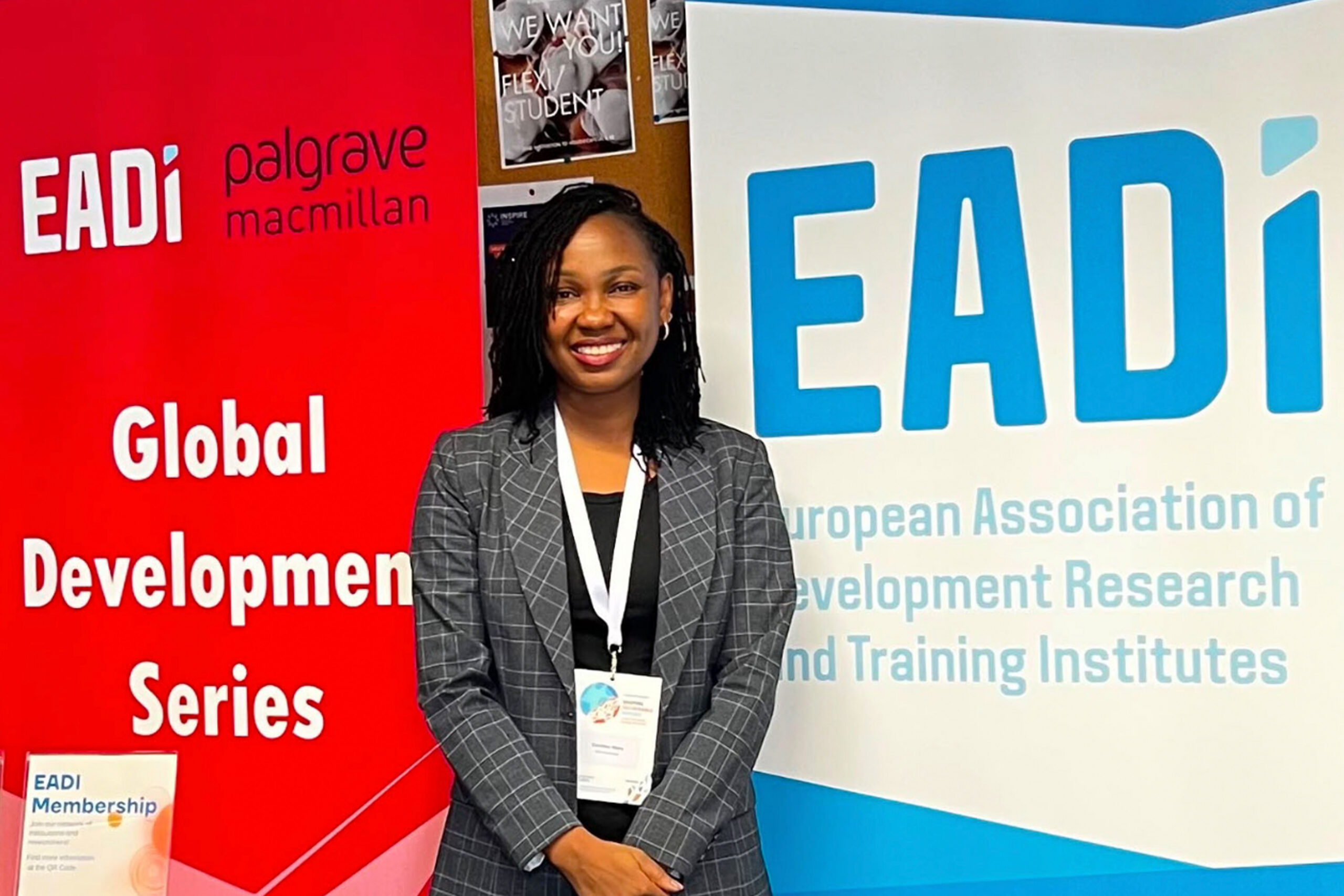
Who Shapes Sustainable Futures in the Face of Global Uncertainty?
How do we shape sustainable futures in an era marked by growing global uncertainty? Dr Caroline Ntara, a scholar of international business and public policy from KCA University in Nairobi, Kenya, was invited to the EADI–IOB Conference 2026, where she joined scholars from across the world to explore how Global South perspectives are reshaping development…
-
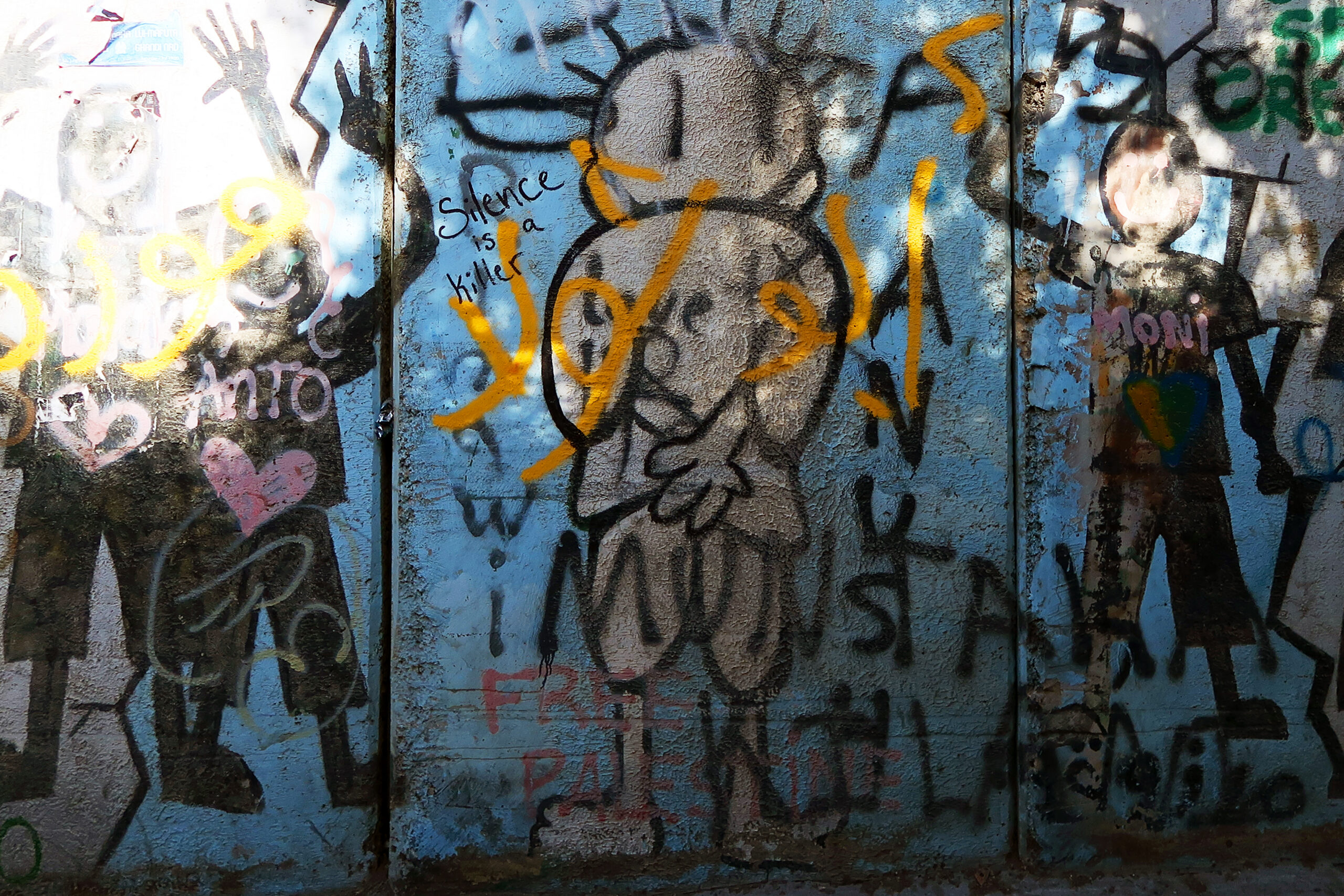
The Visual Politics of Palestine Solidarity: Naji al-Ali’s Handala
Naji al-Ali ’s Handala, presented in the Boycott, Divestment and Sanctions (BDS) movement and by many pro-Palestine initiatives, is a well known cartoon character associated with Palestinian resistance. In this article, Marina Hamanaka (a PhD student in Area Studies, at The University of Tokyo) tells us about the story behind Handala, and her research exploring…
-
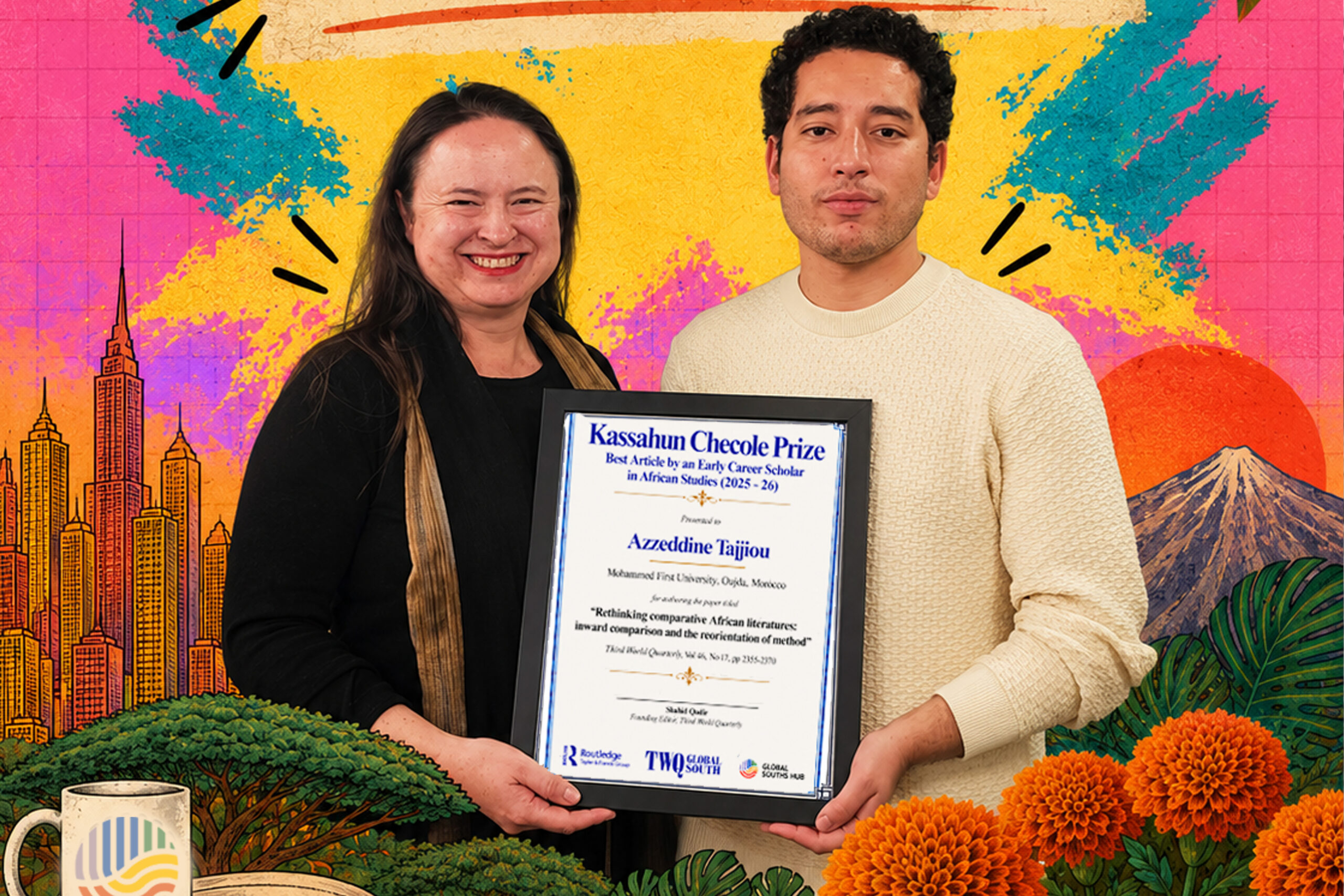
Rethinking How African Literature Is Studied: Azzeddine Tajjiou Wins Inaugural Kassahun Checole Prize
Azzeddine Tajjiou, a researcher, translator and academic from Morocco, has been named the inaugural recipient of the Third World Quarterly (TWQ) Kassahun Checole Award in African Studies, an initiative dedicated to recognising and championing the work of emerging African scholars and writers. Tajjiou will receive the award today at the African Studies Association of the…
-
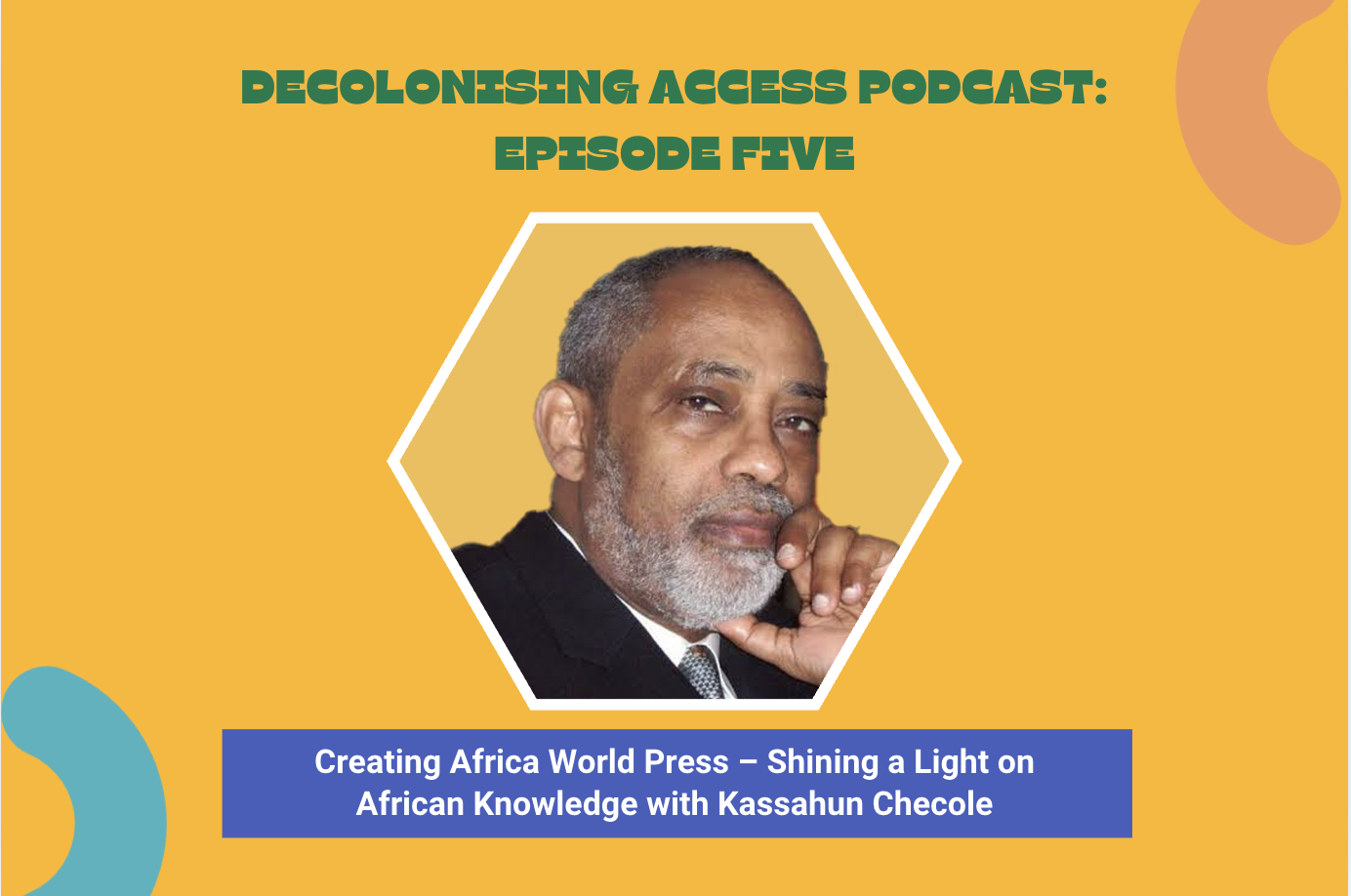
Creating Africa World Press – Shining a Light on African Knowledge with Kassahun Checole
Decolonising Access Podcast: Episode Five “It is vital that we empower our languages and our culture.” – Kassahun Checole Creating Africa World Press – Shining a Light on A | RSS.com In this episode, Bethlehem Attfield talks to Kassahun Checole, the founder of Africa World Press (1983) and The Red Sea Press (1985), which, to…
-
TWQ Special Issue: Polyalignment and the Second Cold War
“We’re neither facing east nor west; we’re facing forward where opportunities are.” Those are the words of Kenyan President William Ruto in response to a journalist who asked whether Kenya would prefer investment from China or the US. Similarly, Singapore’s Prime Minister Lawrence Wong said rather than being pro-China or pro-US, “[w]e are pro-Singapore.” These statements echo leaders around…
-
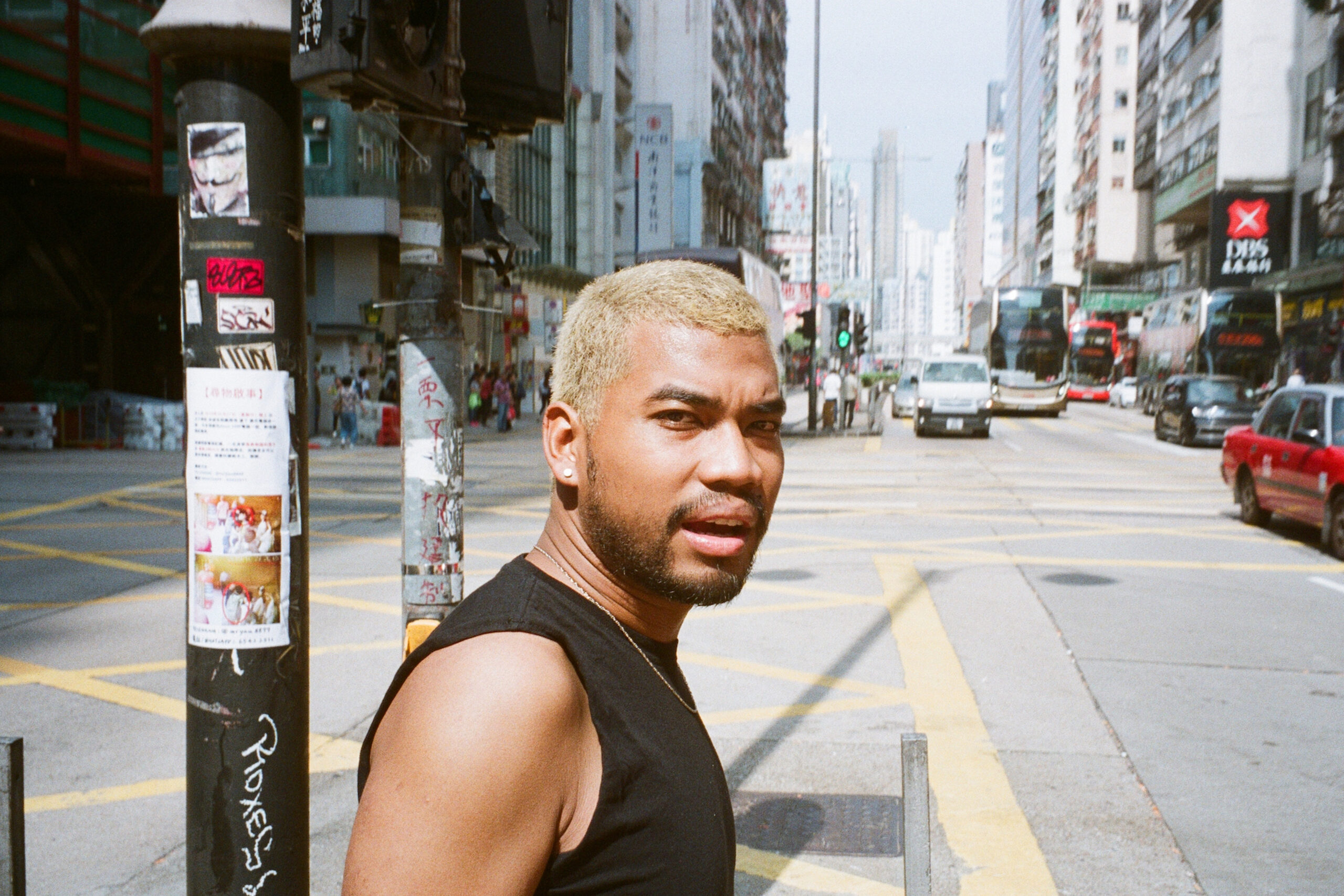
What is the Role of Queer Cinema When the Streets Are Burning?
What role can queer cinema play when societies are confronting political crises? And how might film programming become a practice of collective care rather than cultural consumption? In this blog post, Rizky Rahad, an Indonesian filmmaker, programmer, researcher, and co-founder of the Bali-based queer cinema collective QAMERAD, reflects on his presentation at the Eye International…
-
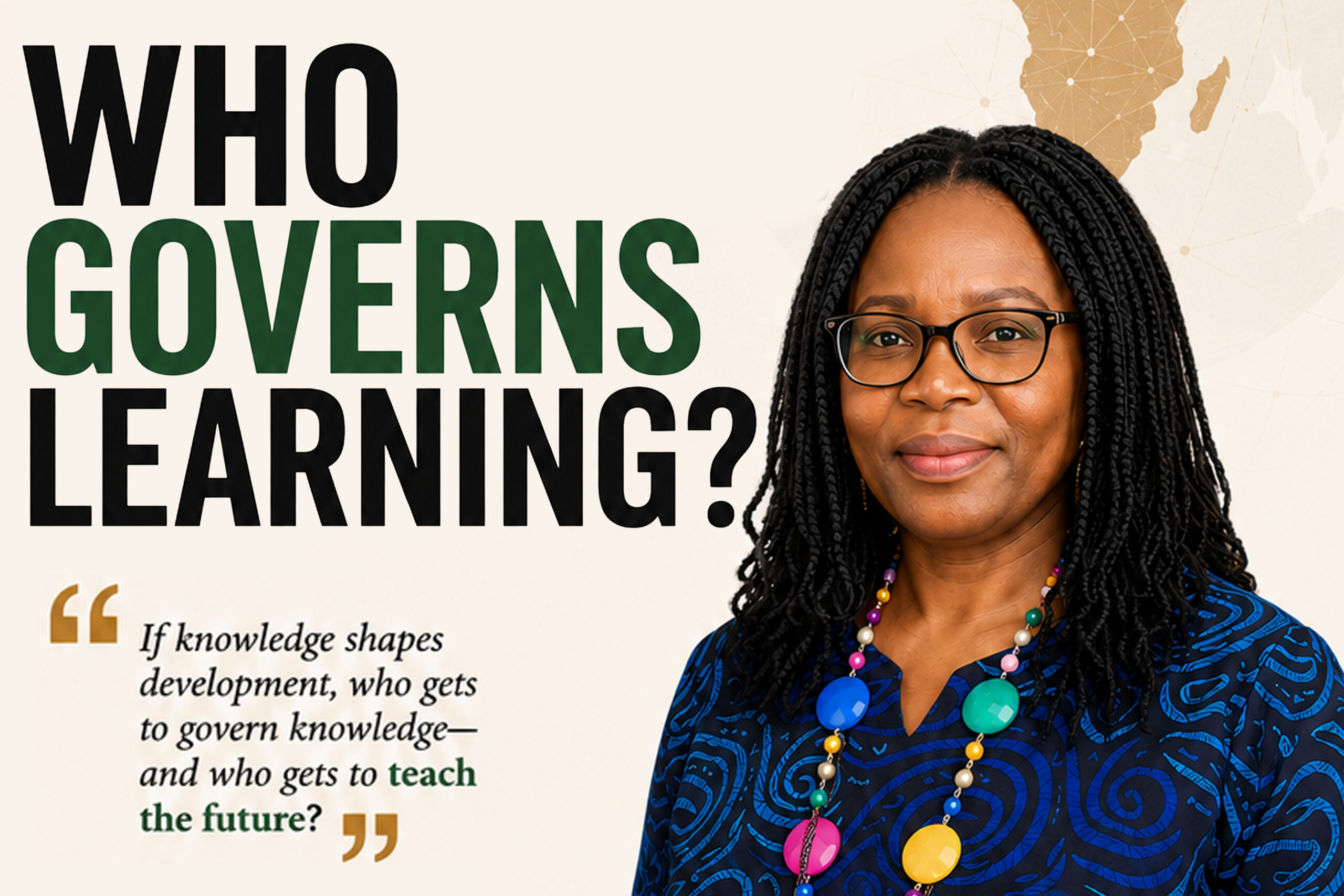
Who Governs Learning? Africa, Knowledge Power and the Struggle to Teach the Future
This deceptively simple question has accompanied Magdaline Nkando (Founder and Lead of Kujua Collective) for more than a decade of her work across African public institutions, multilateral development organisations, and comparative knowledge systems. It ultimately gave birth to the Learning Justice Framework, which explores how societies govern learning, whose knowledge becomes legitimate, and how unequal…
-
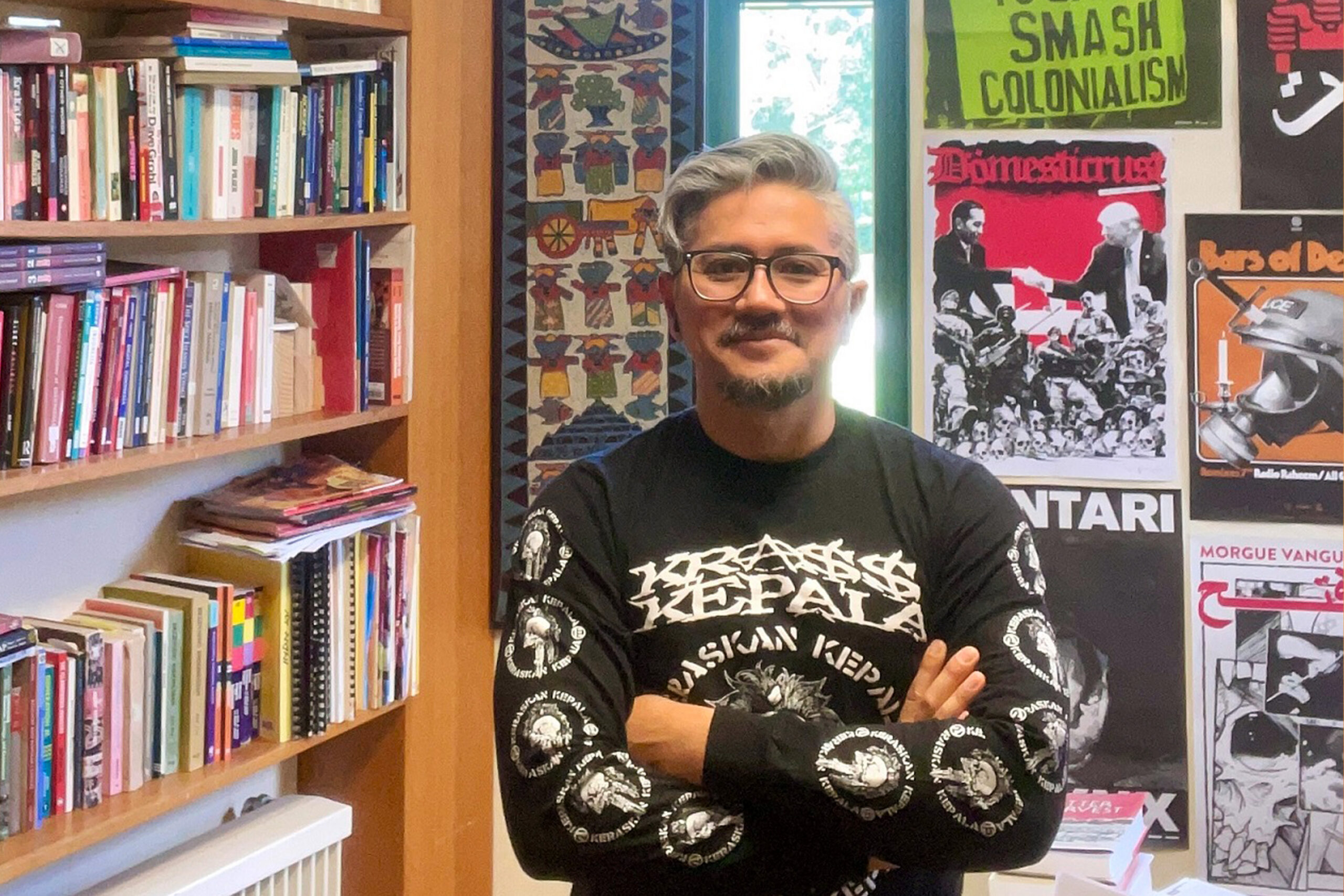
Music, Activism and Academia – Indonesia’s Punk Past and Present with Hikmawan ‘Indra’ Saefullah
In this Q&A, Hikmawan ‘Indra’ Saefullah, lecturer in Politics, Extremism, Philosophy, Studies in Religion, and Peace Studies at the University of New England, talks to Mira Mookerjee about punk’s role to challenge political oppression, his experiences with Pelajar Islam Indonesia (PII) and the new wave of punk bands coming out of Indonesia today. Hikmawan Saefullah…
-
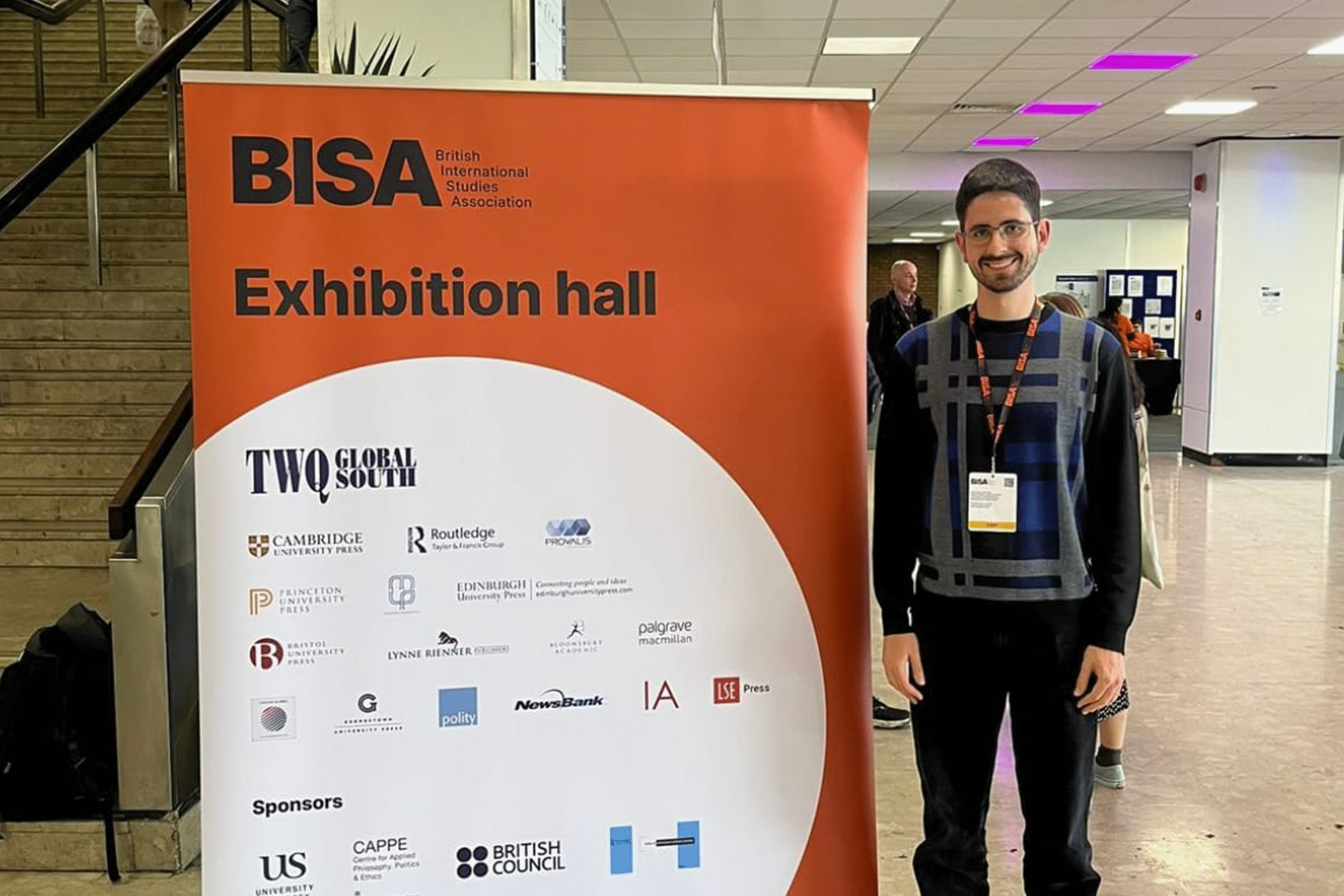
Rereading the International through Childhood and Militarisation: Insights from BISA 2026
What can the encounter between childhood and militarisation reveal about international politics? Marcos do Vale Araujo, a PhD Candidate in International Relations at the State University of Rio de Janeiro, Brazil, attended the British International Studies Association (BISA) 2026 Annual Conference in Brighton, and reflects on how the conversations on childhood, militarisation, and global politics challenged…
-

Interested in writing for Global Souths Hub?
- How to Contribute to the Hub
- The Benefits of Blogging
- How to Craft an Impactful Blog Post
- Our Global Souths Hub Contributors