

Welcome to our news page, where we disseminate information and stories from leading thinkers in Global South Studies, as well as complementary content from both TWQ and CAS journals.
News:
-
Maísa Edwards on Building Cooperation in the South Atlantic and Beyond
Decolonising Access Podcast: Episode Six “Energy security is becoming such a defining feature of strategic planning both national governments and global energy markets… it’s something that we really try to bring to the attention of our readers, just how much countries like Brazil, Nigeria and Angola could potentially work together to strengthen their energy security…
-
Redefining “Women’s Work”: Challenging the Limits on Girls’ Education with Baela Raza Jamil
Decolonising Access Podcast: Episode Four “As we know, women are always productive, always doing something, always economically engaged – but it’s not counted that way. […] It’s a lens we need to change.” – Baela Raza Jamil
-
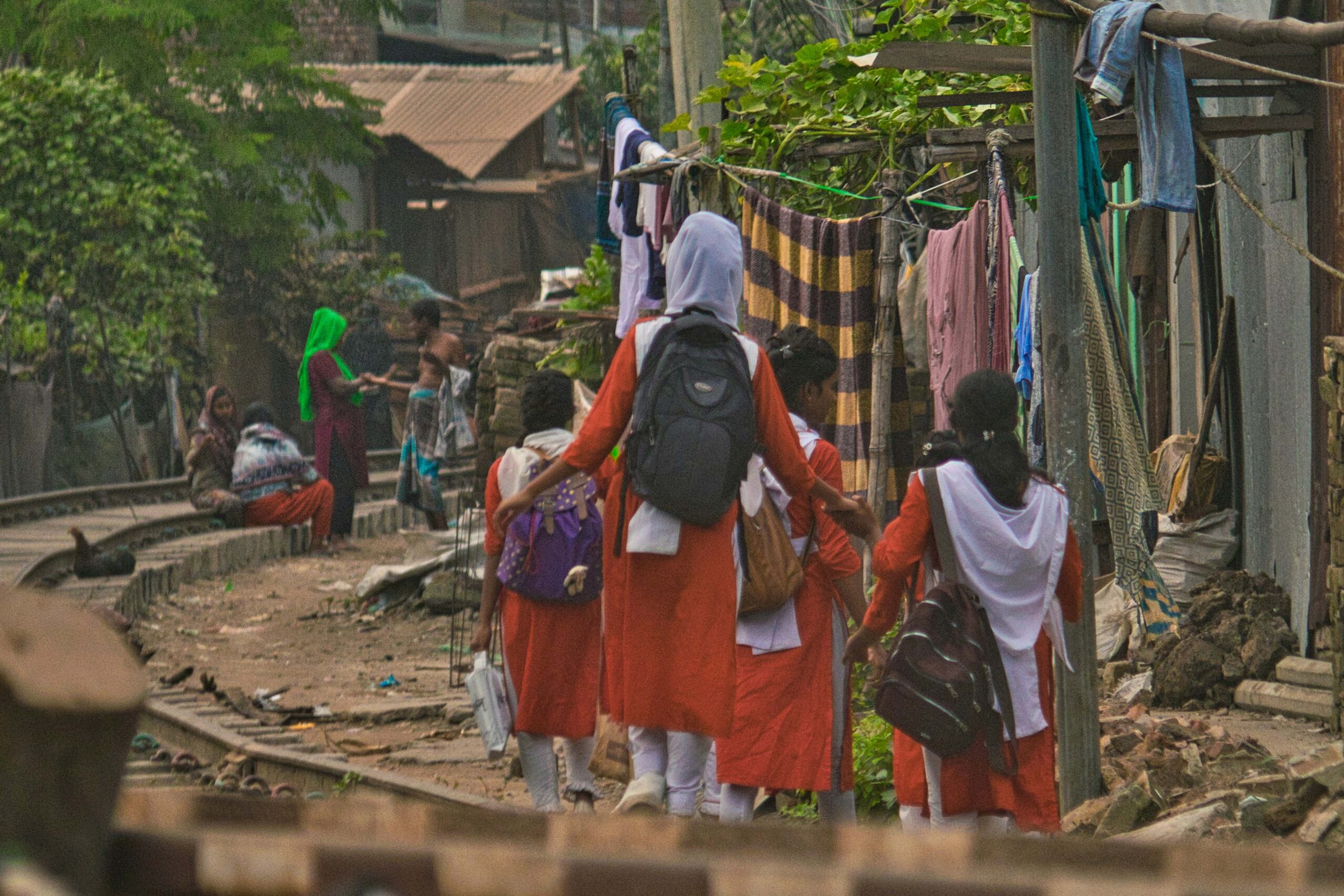
Staying in School: How the Amal Foundation is Preventing Child Marriage in Bangladesh
In this piece, Esrat Karim, a Bangladesh-based social entrepreneur and founder of the Amal Foundation shares how initiatives can support young women and girls to avoid early marriage and remain in school. Child marriage is often treated as a cultural issue, but it remains closely tied to poverty and insecurity. For many struggling households, families…
-
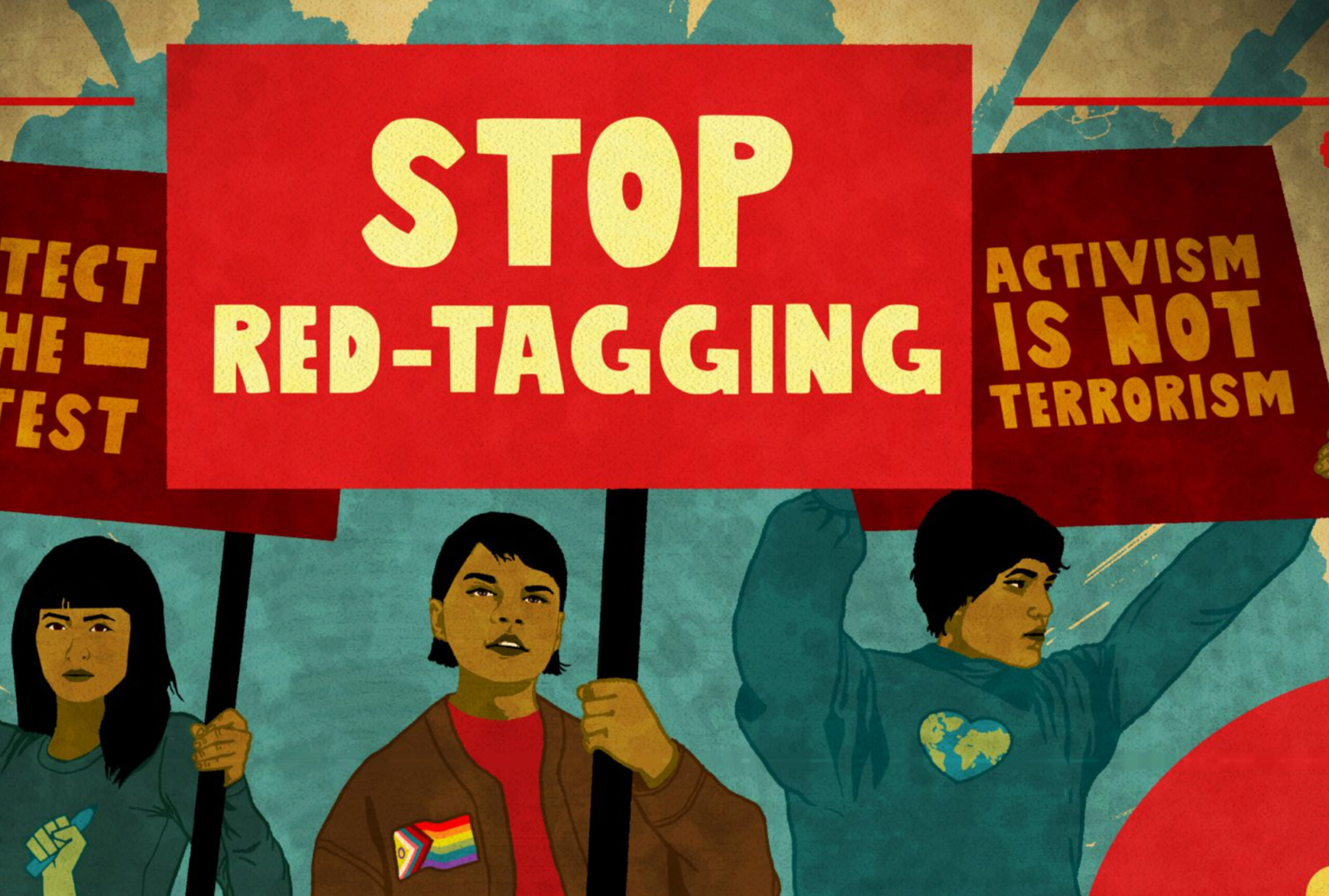
The Manila Paradox: Red-Tagging, Repression, and Democracy in the Philippines
While the Philippines presents itself internationally as a democratic partner, its domestic reality tells a different story — one marked by red-tagging and intimidation. In this piece, geopolitical analyst Tommaso Franco explores the “Manila paradox” and the growing pressures faced by activists, journalists, lawyers, and ordinary citizens across the country. Image by Rebecca Hedin, sourced…
-
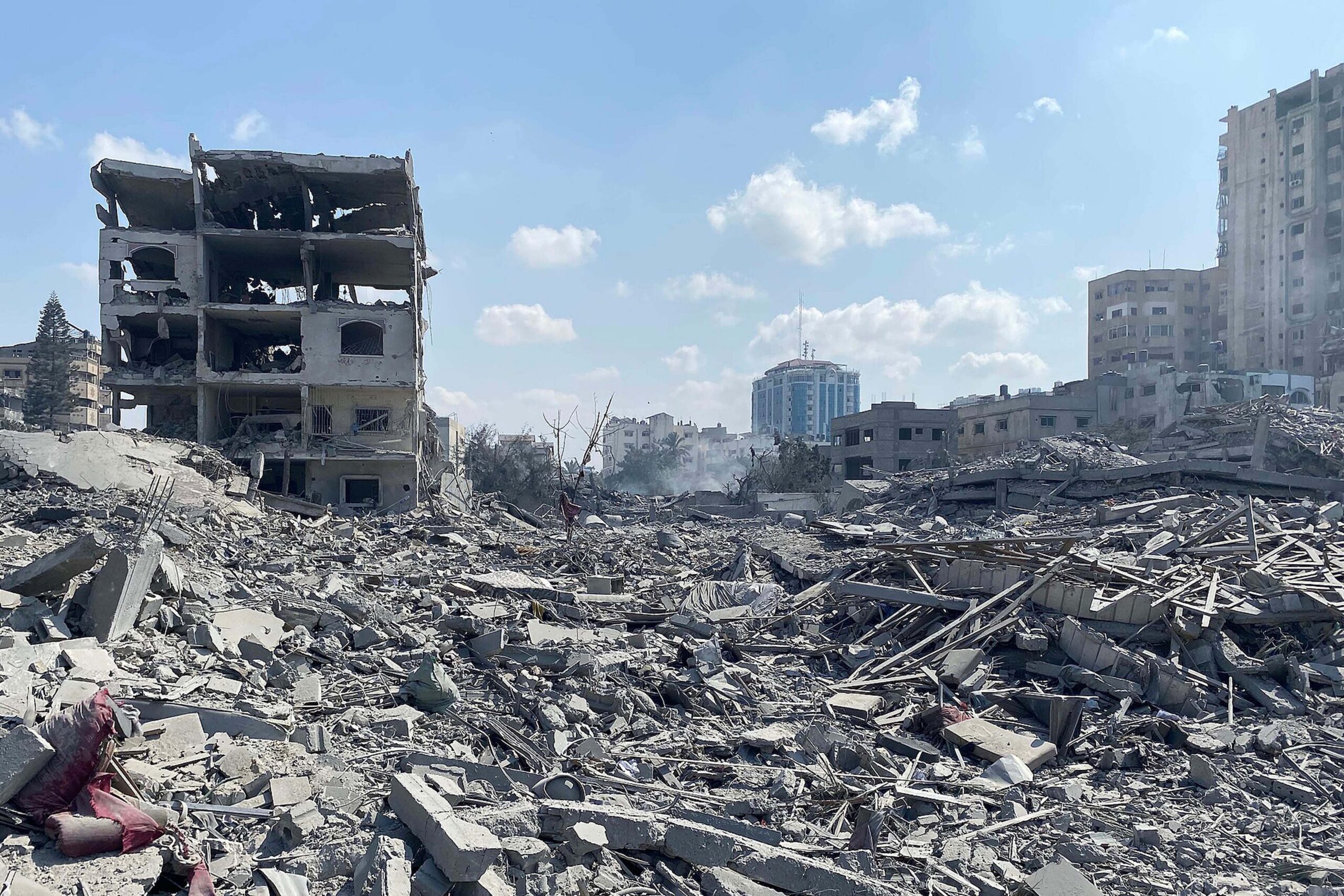
The Gaza Genocide and the Crisis of the Global North: A TWQ Special Issue
This special issue (The Gaza Genocide and the Crisis of the Global North. Guest Editors: Ibrahim Fraihat and Abeer Al-Najjar, Volume 47, 2026) examines the war on Gaza not only as a devastating act of mass violence against Palestinians, but as a revealing moment that exposes deep crises within Western political, legal, and media systems.…
-
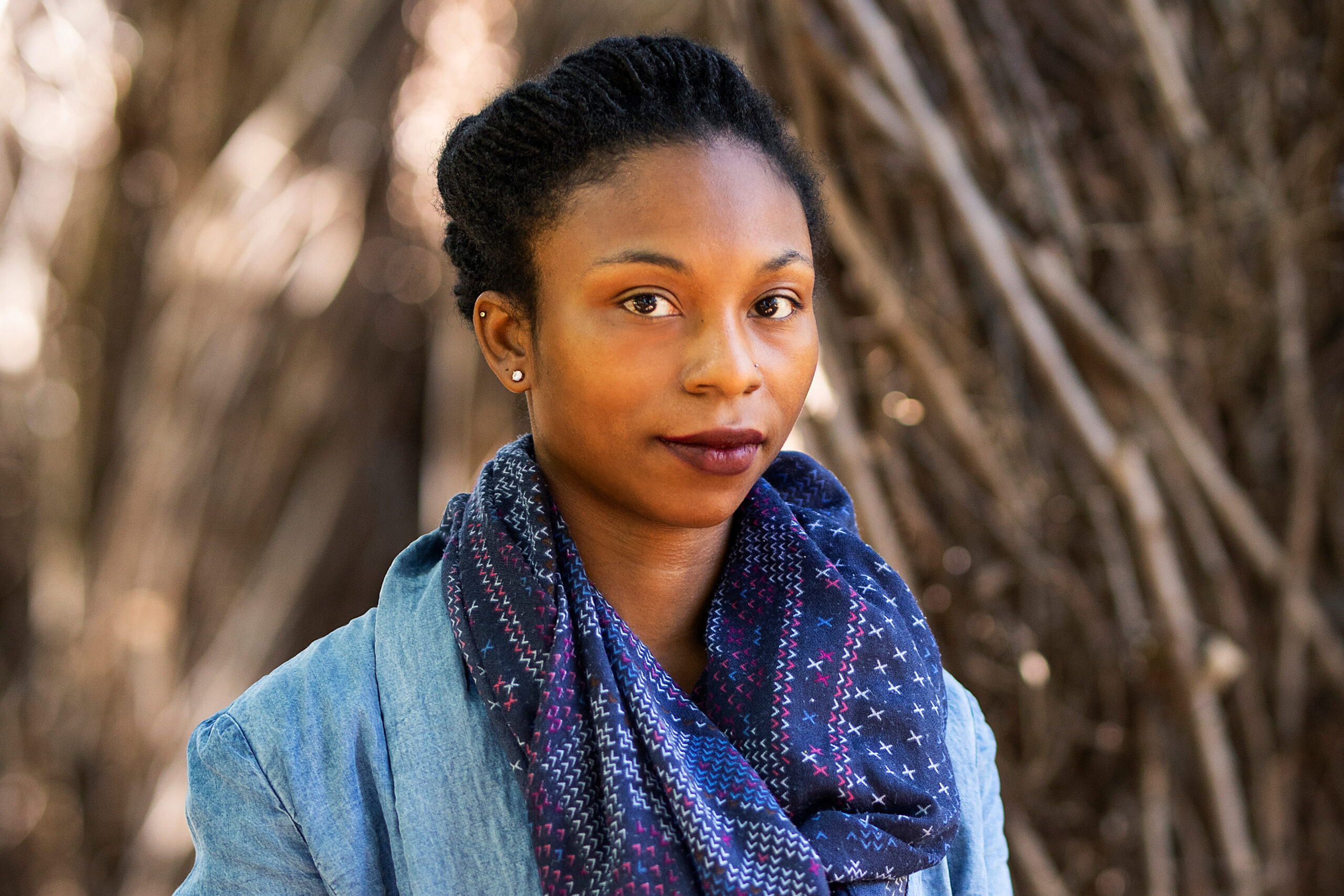
Reckoning with Empire: Defiant Scholarship with Takiyah Harper-Shipman
How can research translate into action? Associate Professor and Chair of Africana Studies at Davidson College and newly appointed academic editor at Third World Quarterly (TWQ), Takiyah Harper-Shipman, talks to Mira Mookerjee about her upcoming book, Unruly Fertility: Race, Development, and Decolonial Reproductive Politics, defiant scholarship, scholar-activism, and her forum Reckoning with Empire. “Ultimately, my…
-
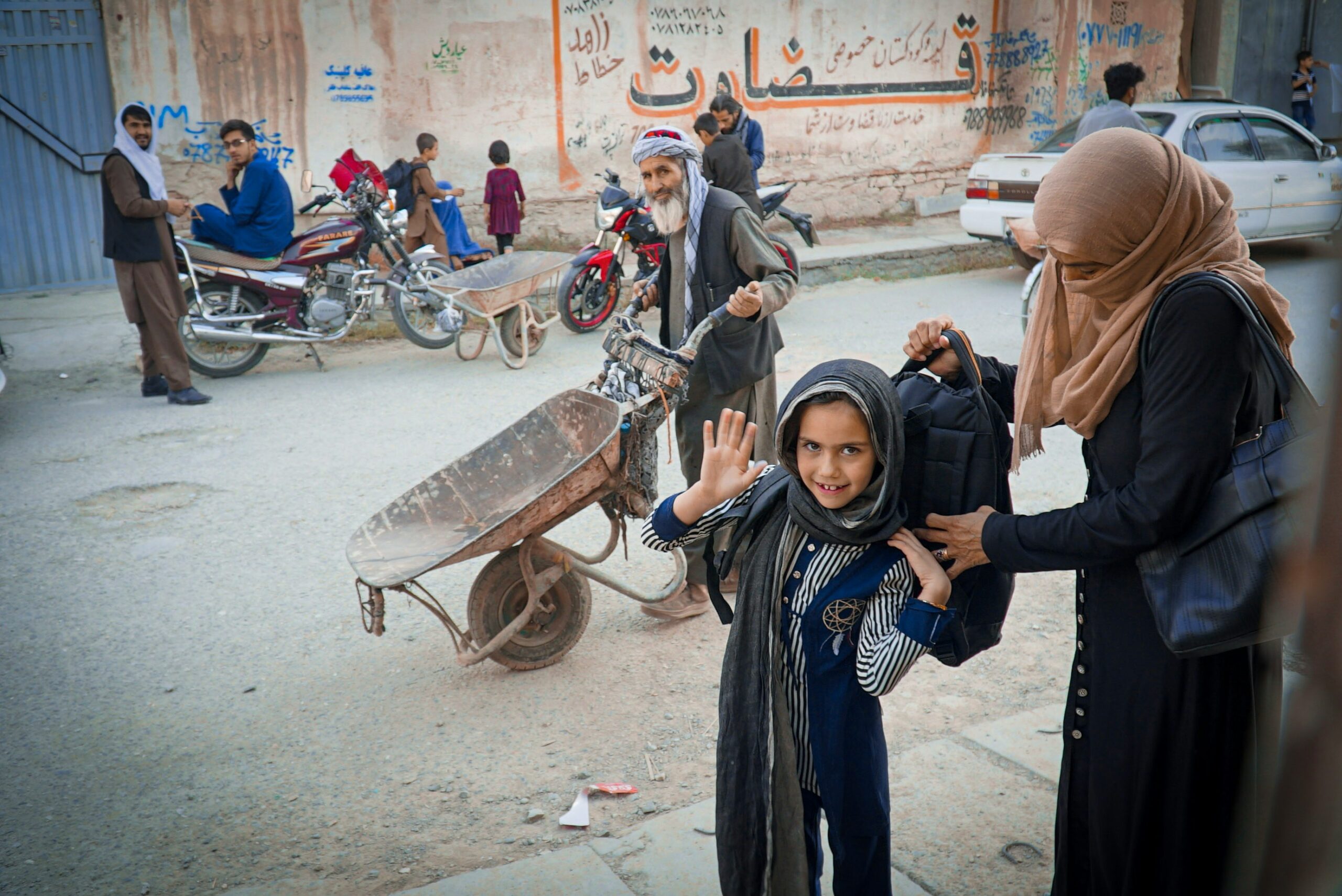
Controlling Women, Controlling Society – Gender Apartheid in Afghanistan
In this post, Mira Mookerjee reflects on the 2025 Anthony Hyman Memorial Lecture, Controlling women, controlling society: the politics of virtue in Afghanistan with Richard Bennett. Since the Taliban regained power in 2021, girls and women in Afghanistan have been unable to attend secondary school and higher education, making it the only country in the world…
-
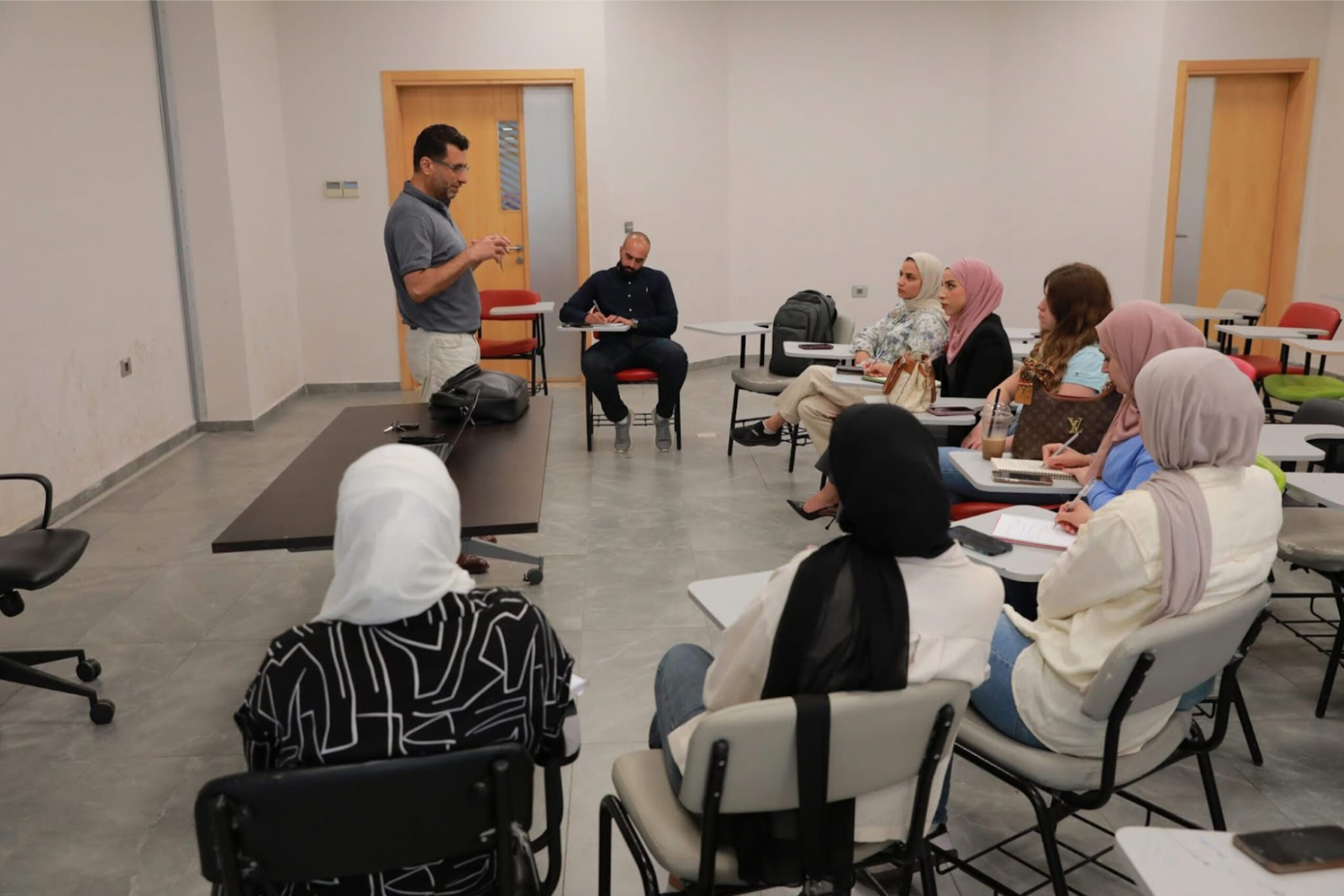
Reclaiming Narrative Sovereignty: A Lesson in Challenging Epistemic Erasure
How do Palestinian classrooms counter dominant narratives in the media? And how can education become an epistemic infrastructure for narrative sovereignty? In this blogpost, Hussein AlAhmad, an Associate Professor of Strategic Communication at Arab American University in Palestine, asks these questions and reflects on his recently published Third World Quarterly article. In Palestine, education is rarely…
-
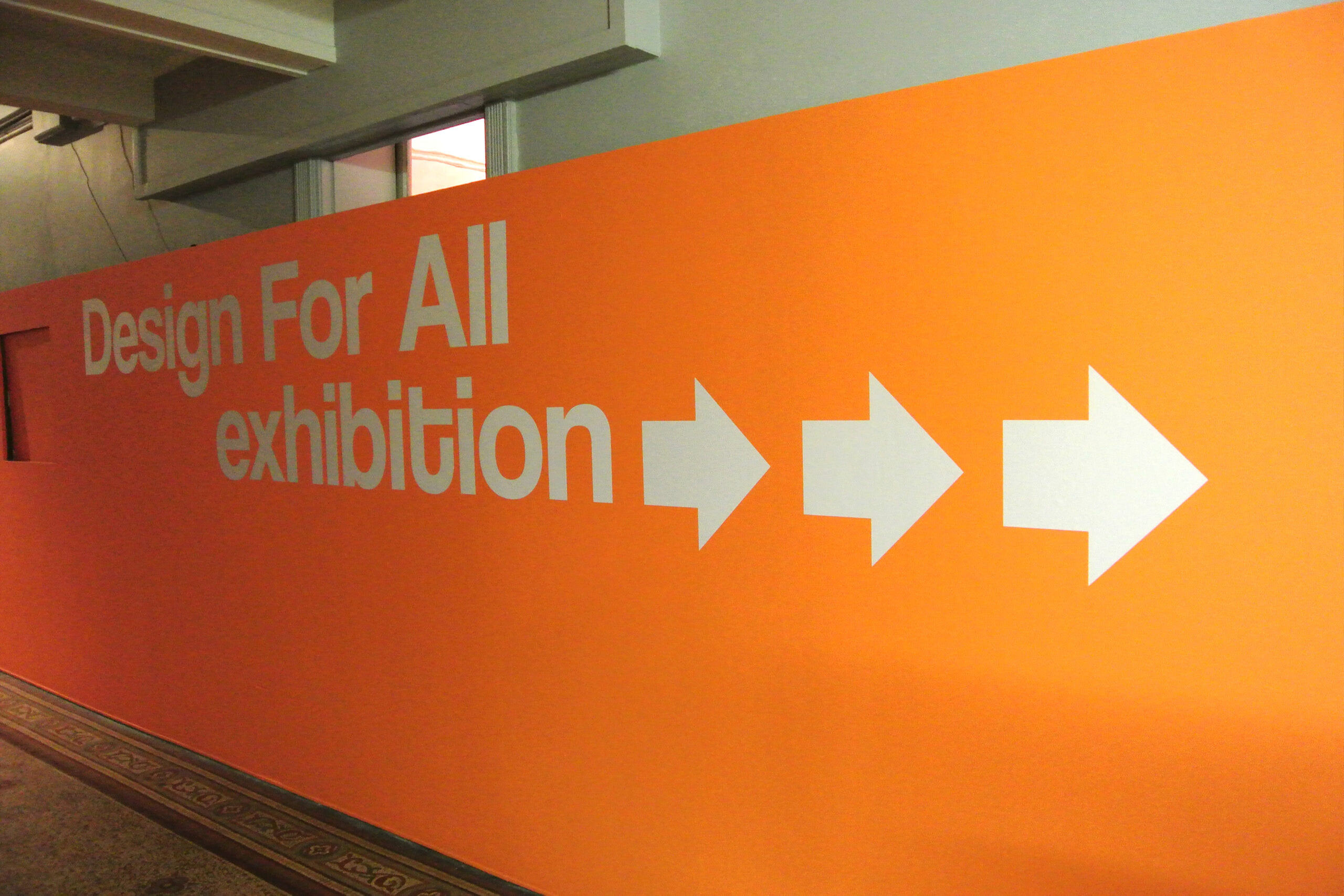
A New TWQ Special Issue: Design Emergencies in Aid and Development
This Special Issue collection of articles in Third World Quarterly, titled Design Emergencies: Interrogating Innovation in Humanitarian Aid and International Development (Vol 47, 2026), investigates the growing trend since the 1960s of using ‘design’ and ‘design thinking’ to solve urgent global problems. As the world faces intersecting ecological, political and social emergencies, humanitarian aid and…
-
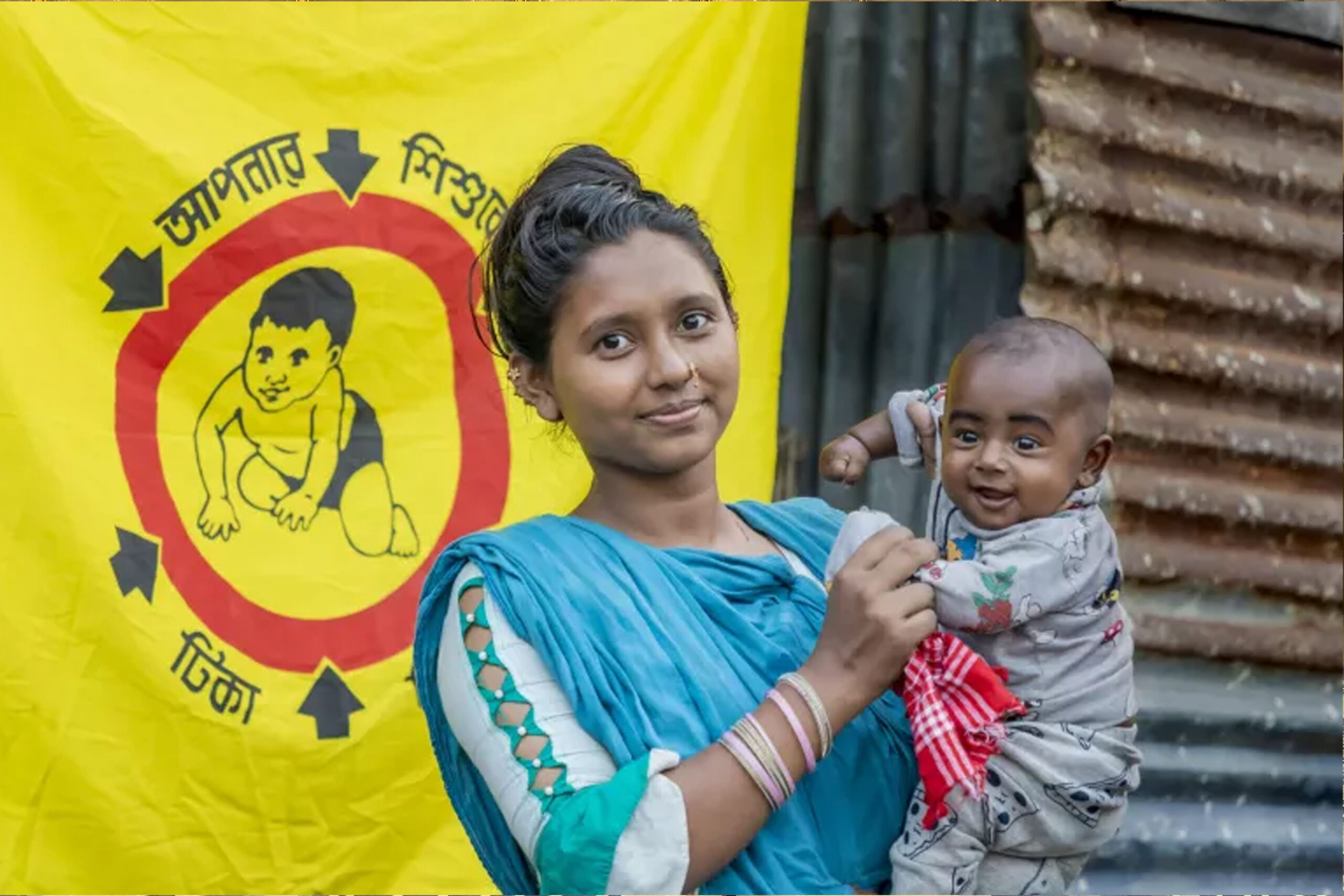
Why is Measles Making a Dangerous Comeback in Bangladesh and Beyond?
In this article, Monaemul Islam Sizear, a public health activist from Bangladesh explores why measles – a preventable disease – has seen a resurgence in Bangladesh and beyond. This article draws out critical lessons for strengthening immunisation systems and protecting future generations. Measles remains one of the most contagious infectious diseases globally, and continues…
-

Researching “Successful Ageing” as a Young Feminist Scholar in Thailand
How might a researcher’s own presence shape the stories that are told? In this blog post, Kullanit Nitiwarangkul, a PhD graduate from the Department of Media, Culture and Creative Industries at City and St. George’s University of London, reflects on her experience of researching women’s perceptions on what ‘successful ageing’ means in Thailand. The piece…
-

Interested in writing for Global Souths Hub?
- How to Contribute to the Hub
- The Benefits of Blogging
- How to Craft an Impactful Blog Post
- Our Global Souths Hub Contributors