In this blog, Aniruddha Jena reflects on his recent research published in Third World Quarterly on Indigenous community radio in India. Drawing on ethnographic fieldwork at Radio Dhimsa in India’s Odisha, he explores how community radio can function as a space of epistemic justice, sustaining Indigenous language, cultural memory, and knowledge systems in the face of dominant media and educational structures. The piece invites readers to reconsider community radio not merely as a development tool, but as a site where communities assert the legitimacy of their own ways of knowing.
“When the media sounds like home, it does more than provide information. It sustains a sense of belonging.“
Aniruddha Jena
What does it mean for a community to hear itself on air?
In a media landscape increasingly shaped by commercial consolidation, linguistic homogenisation and expert-driven narratives, community radio stations are often dismissed as small or marginal efforts. Yet in many parts of the Global South they play a significant and enduring role. In India alone, more than 540 community radio stations have been sanctioned nationwide, forming a vibrant third tier of broadcasting alongside public and commercial media. These stations sustain local languages, circulate community-based knowledge, and create spaces where people speak on their own terms rather than being spoken for.
Our recent research article titled “Challenging hegemony in the Global South: radio Dhimsa’s cultural and knowledge interventions” published in Third World Quarterly (TWQ) examines one such example: Radio Dhimsa is an Indigenous community radio station located in the Koraput district of Odisha, India. Rather than analysing the station through a conventional “development communication” lens, we ask a different question: what happens, or changes, when community radio is understood as a site of epistemic justice? And is seen as a space where Indigenous knowledge, language, and ways of understanding the world are recognised, valued, and sustained?
Beyond Development: Radio as Knowledge Practice
Community radio in South Asia is often framed as a tool for rural development, awareness-building, or information dissemination. While these roles are important, they can sometimes limit how we understand what community radio actually does and what it can offer. Too often, communities are treated as passive recipients of expert knowledge, rather than as knowledge-makers in their own right.
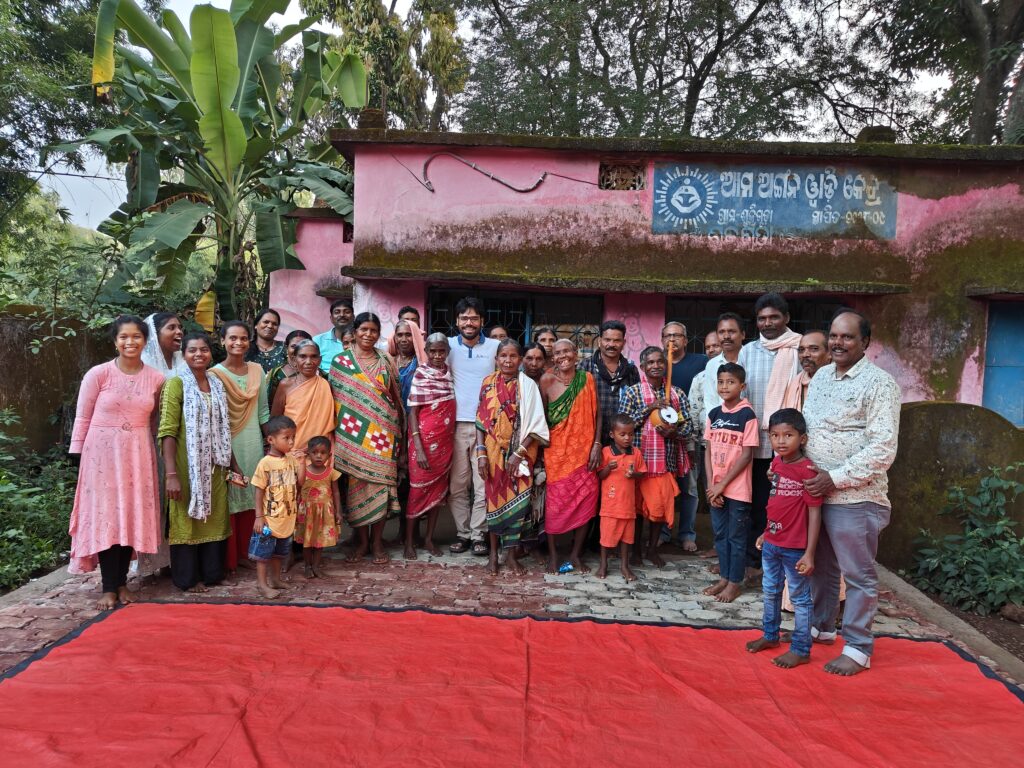
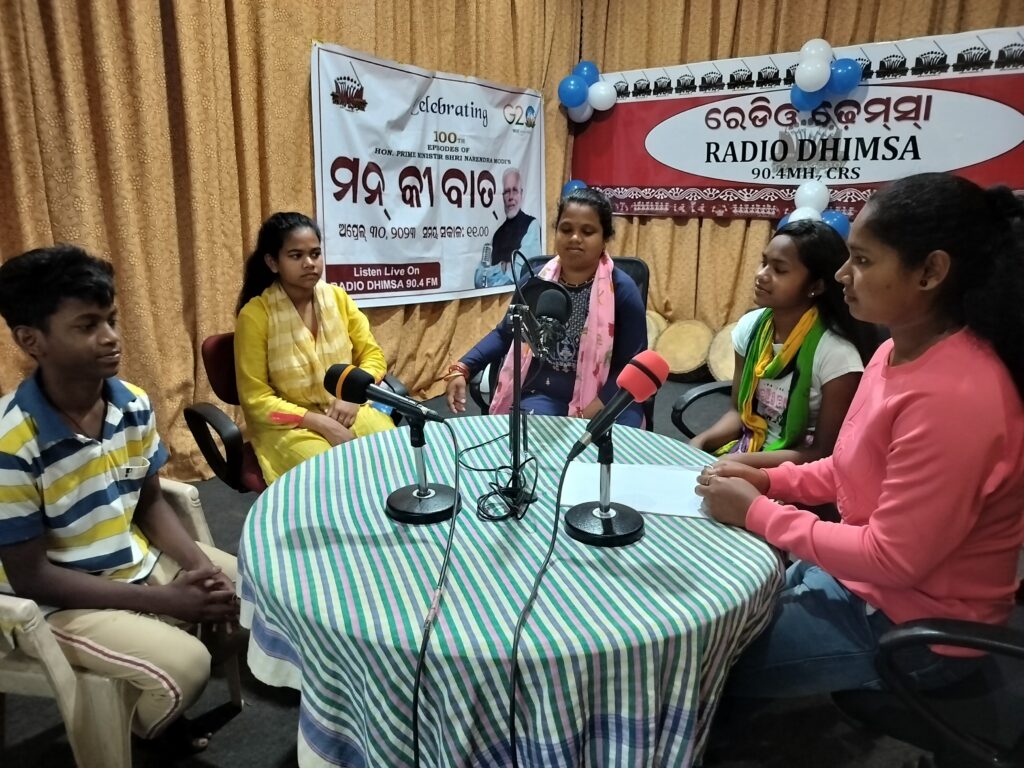
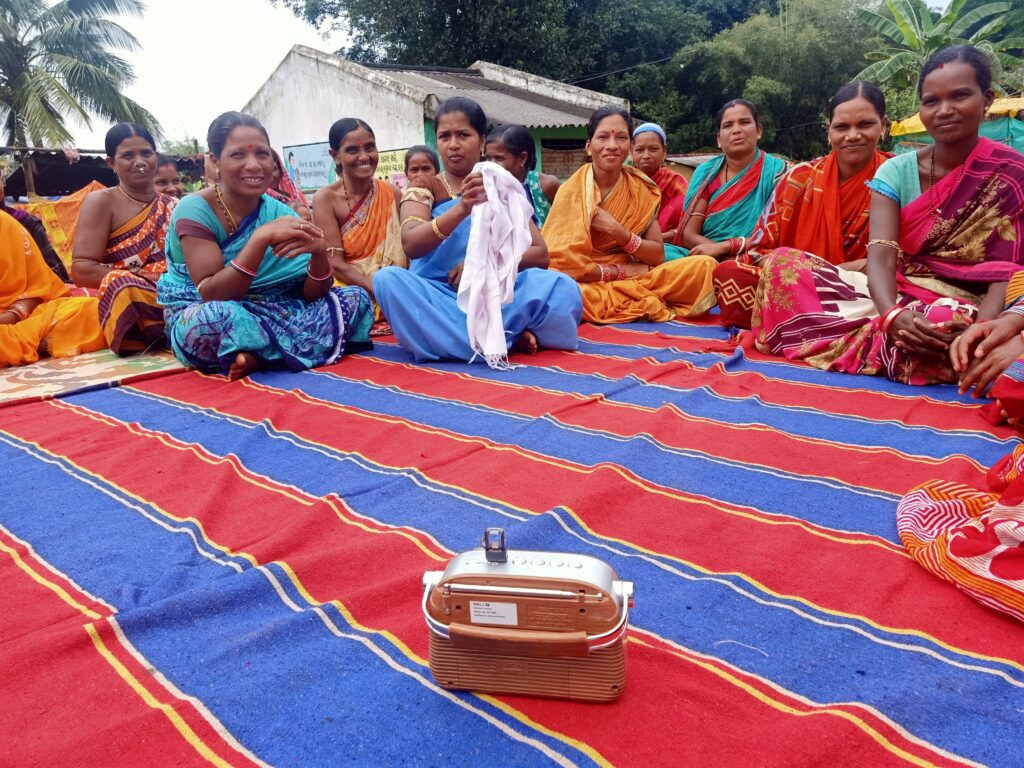
Radio Dhimsa challenges this view. Established in 2008 by South Odisha Voluntary Action with support from UNICEF, the station broadcasts in the Desia dialect from Koraput district and reaches nearly 125,000 people across more than 60 villages within a 12 kilometre radius. Rooted in the cultural life of the region, its programming is not simply about transmitting information. It is about expressing and sustaining a distinct Desia point of view.
My interest in community radio grew out of fieldwork where I spent time with Radio Dhimsa’s producers, volunteers and listeners, often sitting in village meetings, narrowcasting sessions and studio recordings. Seeing how people used the station to share stories, debate local issues and hear their own language on air made me realise that community radio is not just a medium of communication – but a space where communities actively shape and sustain their own knowledge and identity.
Storytelling segments draw on oral traditions, folklore and seasonal memory. While agricultural programmes begin not with official advisories but with elders’ practices and community-based techniques. Festival broadcasts feature intergenerational participation, with young people recording songs and narratives alongside older family members. In each case, what is being transmitted is not only content, but a way of knowing.
“Community radio is not just a medium of communication but a space where communities actively shape and sustain their own knowledge and identity.”
Aniruddha Jena
This matters in a context where state education systems, textbook cultures and dominant regional media frequently marginalise Indigenous histories and languages. For instance, India has 197 endangered languages, the highest number in the world, and Odisha alone is home to 21 tribal languages and 74 dialects, many with limited institutional support. When young people rarely encounter their own culture in formal institutions, hearing it affirmed on air can be transformative.
Participation as Practice, Not Slogan
Community radio is often described as participatory. But what does participation actually look like on the ground?
At Radio Dhimsa, participation is embedded in production practices and how the station operates. Community reporters are drawn from within the Desia community. Volunteers contribute to programme design and field reporting. Listener groups provide feedback and influence what content should be prioritised.
In my fieldwork, which involved several months of participant observation, examining records, 25 interviews and group discussions. I noticed that participation emerged not as a one-off consultation but as a routine practice. Programmes were frequently co-developed. Narratives were shared, debated and refined collectively. Young volunteers described how working with the station allowed them to reconnect with their linguistic and cultural heritage while also developing media skills.
This process can be understood through the lens of what Brazilian educator and Marxist philosopher Paulo Freire called conscientisation, the development of critical awareness through dialogue. By foregrounding Desia language, history and everyday experience, the station does more than celebrate identity. It encourages reflection on how dominant systems of knowledge and governance shape local realities.
One example of this is the station’s live broadcasts of village meetings and phone-in programmes, where listeners question local officials about welfare schemes, land rights and agricultural policies in their own dialect, transforming radio from a medium of transmission into a space of collective deliberation.
Sounding Out Epistemic Justice
The concept of epistemic justice refers to fairness in whose knowledge counts. In many postcolonial societies, Indigenous and local knowledge systems have been treated as informal, backward or supplementary to “expert” knowledge. Media systems often reproduce this hierarchy by privileging official voices, dominant languages and urban perspectives.
Radio Dhimsa disrupts this hierarchy in subtle but significant ways. It normalises Desia as a language of public communication. It treats agricultural wisdom, herbal healing practices and local governance debates as legitimate broadcast material. For example, in its farming programme Chas Khabar (Agriculture Information), discussions often begin with elders explaining traditional millet cultivation techniques and seed preservation practices before any reference is made to government advisories, thereby centering Indigenous expertise as the primary frame of knowledge. In doing this, the station documents and archives oral traditions that might otherwise fade from collective memory.
This is not romanticisation. Community radio stations operate under real constraints. In India, although 540 community radio stations have been sanctioned nationwide, most operate with a broadcast radius of only 10 to 15 kilometres and low transmission power, limiting reach in geographically dispersed regions. Funding is often project-based under schemes such as the government’s “Supporting Community Radio Movement in India,” which provides establishment and equipment grants but not long-term operational security. Policy restrictions also prohibit independent news broadcasting, constraining civic reporting. Technical challenges, seasonal migration and agricultural labour demands further affect volunteer availability. These structural pressures shape what is possible.
Yet even within these constraints, Radio Dhimsa creates alternative communicative spaces by involving community members directly in shaping content and debate. It offers a counterpoint to extractive media logics that treat communities primarily as passive audiences or data points. Through community reporters, listener clubs, live phone-in programmes and village meeting broadcasts, listeners suggest topics, share stories, question officials and contribute local knowledge, making them active participants in production rather than mere recipients of information.
Why This Matters Beyond One Station
Indigenous community broadcasting has been studied extensively in parts of Australia, North America and Latin America. In South Asia, however, scholarship has often focused on participation, development outcomes or policy reform, with less sustained attention to Indigenous epistemologies.
Placing Radio Dhimsa within this wider conversation expands how we understand community radio in the region. It suggests that Indigenous stations are not simply small local media outlets with limited reach and modest resources. They are cultural institutions engaged in the preservation, negotiation and reinvention of knowledge systems.
For policymakers, this raises important questions. How can regulatory frameworks move beyond narrow development metrics such as awareness campaigns or welfare dissemination to recognise the cultural and epistemic contributions of Indigenous stations? How might funding models provide sustained operational support for archiving oral traditions, training community reporters, strengthening technical infrastructure and preserving Indigenous languages, rather than relying primarily on short-term, project-based grants?
For researchers, it means being attentive to methodologies. Ethnographic work, careful listening practices and collaborative research designs are essential if we are to understand how community media operate from the inside, rather than imposing interpretations from the outside.
And for communities, it affirms something already known: that when the media sounds like home, it does more than provide information. It sustains a sense of belonging.
Looking Forward
As debates about decolonising knowledge intensify across universities and policy arenas, it is important that we turn our attention to everyday media that have long been doing this work in practice.
Radio Dhimsa reminds us that epistemic justice is not achieved only through theory alone. It is cultivated in routine broadcasts, in the cadence of a local dialect, in the recording of an elder’s story, and in the collective discussion of a farming technique.
In a globalised media environment that often flattens difference, Indigenous community radio insists on plurality. It insists that knowledge travels not only through textbooks and expert panels, but through song, dialogue and shared memory.
And sometimes, justice begins simply with hearing one’s own language carried clearly across airwaves.
Further Reading
- Pavarala, V., & Malik, K. K. (2007). Other voices: The struggle for community radio in India. SAGE India.
- Malik, K. K., & Pavarala, V. (2020). Community radio in South Asia: Reclaiming the airwaves. Routledge.
- Backhaus, B. (2022). Polyphony: Listening to the Listeners of Community Radio. Routledge.
Aniruddha Jena
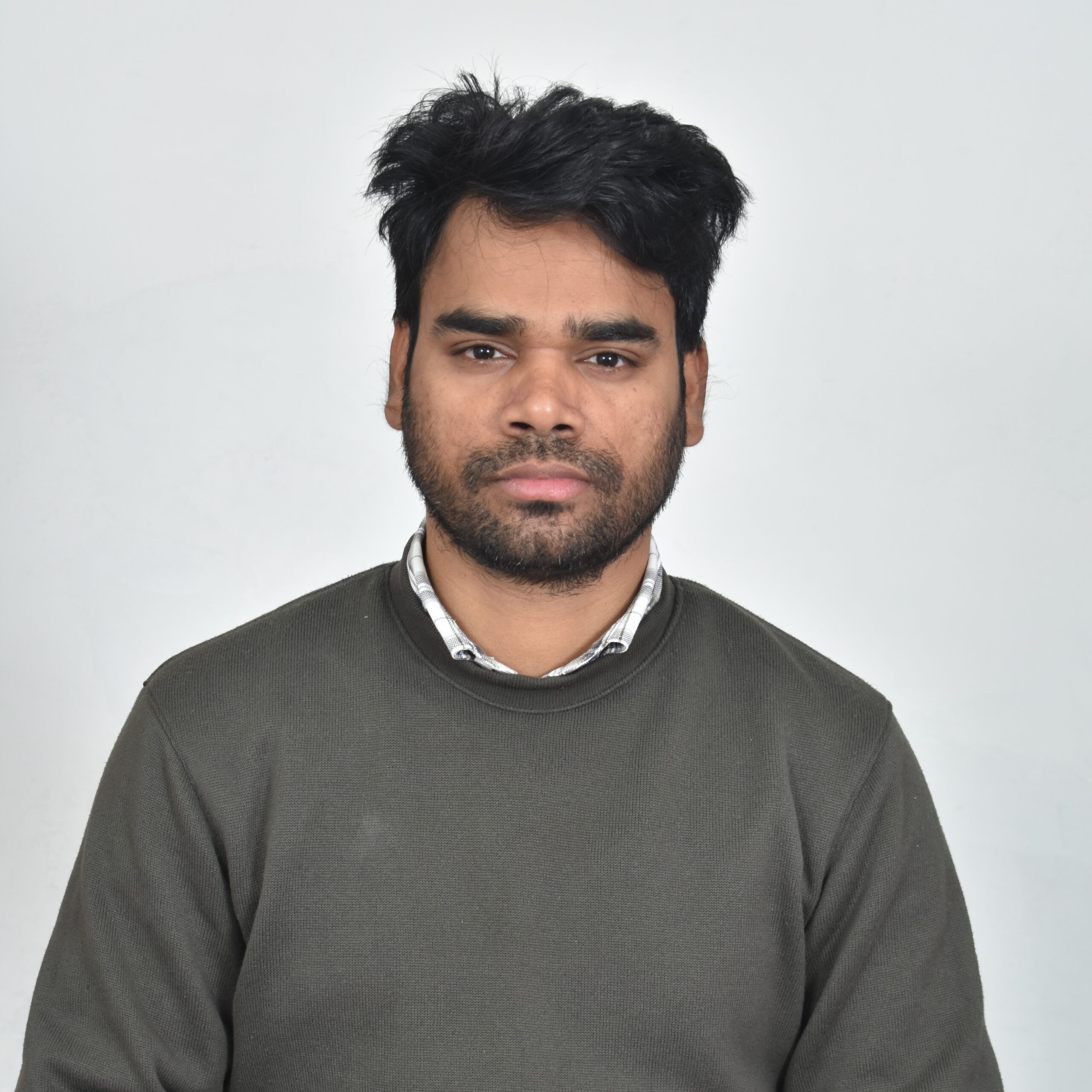
Aniruddha Jena, PhD is an Assistant Professor at the School of Management, Indian Institute of Technology Mandi. He is currently serving as the King’s-Charles Wallace India Trust Visiting Fellow (2025-26) at King’s College London. His research focuses on community and alternative media, critical media studies, and communication for development and social change.
Challenging hegemony in the Global South: radio Dhimsa’s cultural and knowledge interventions published online 19 Feb 2026 by Aniruddha Jena, Bridget Backhaus, Vinod Pavarala and Vasuki Belavadi for Third World Quarterly (pp. 1–21.). DOI: https://doi.org/10.1080/01436597.2026.2625980