-
·
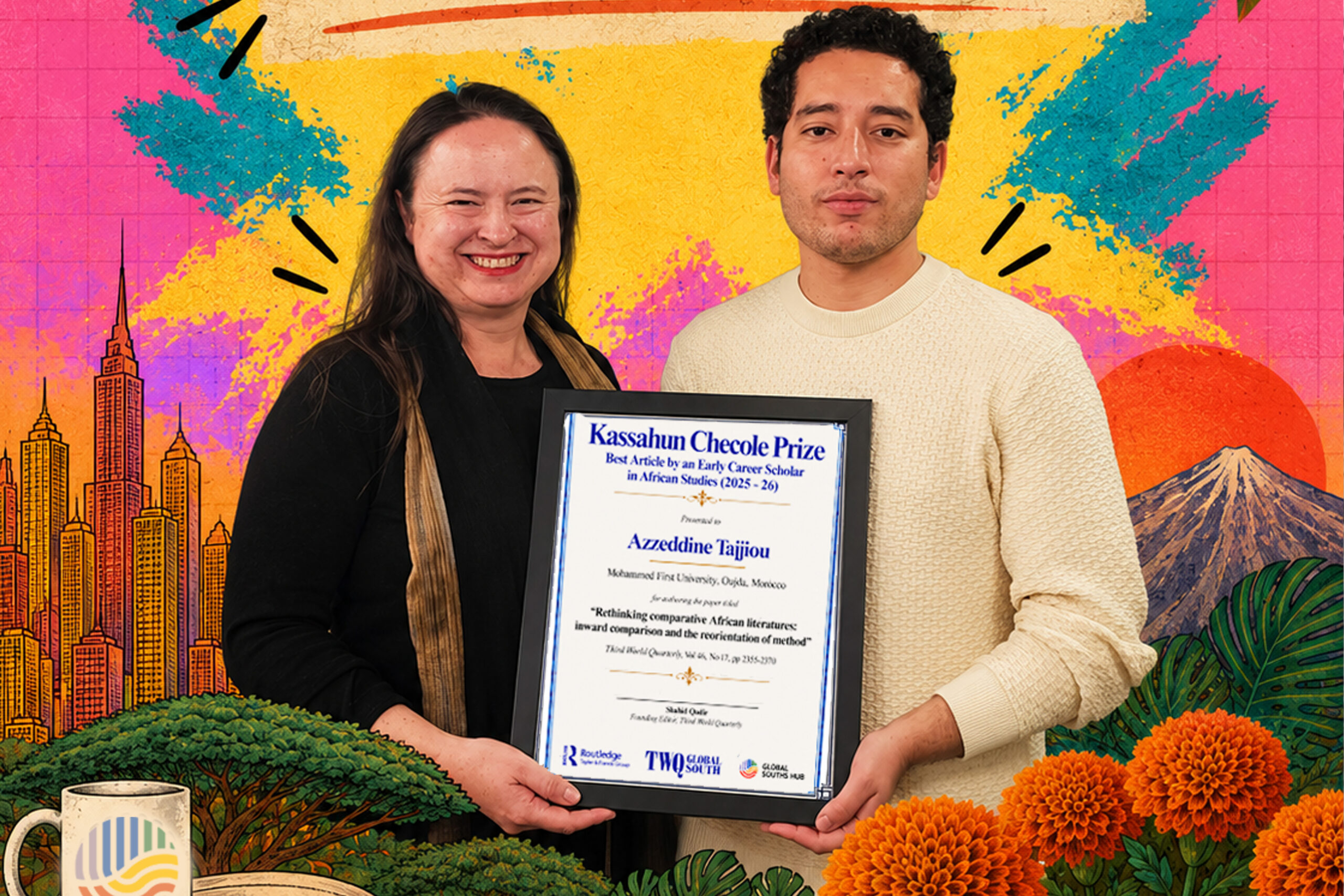
Rethinking How African Literature Is Studied: Azzeddine Tajjiou Wins Inaugural Kassahun Checole Prize
Azzeddine Tajjiou, a researcher, translator and academic from Morocco, has been named the inaugural recipient of the Third World Quarterly (TWQ) Kassahun Checole Award in African Studies, an initiative dedicated to recognising and championing the work of emerging African scholars and writers. Tajjiou will receive the award today at the African Studies Association of the…
-
·
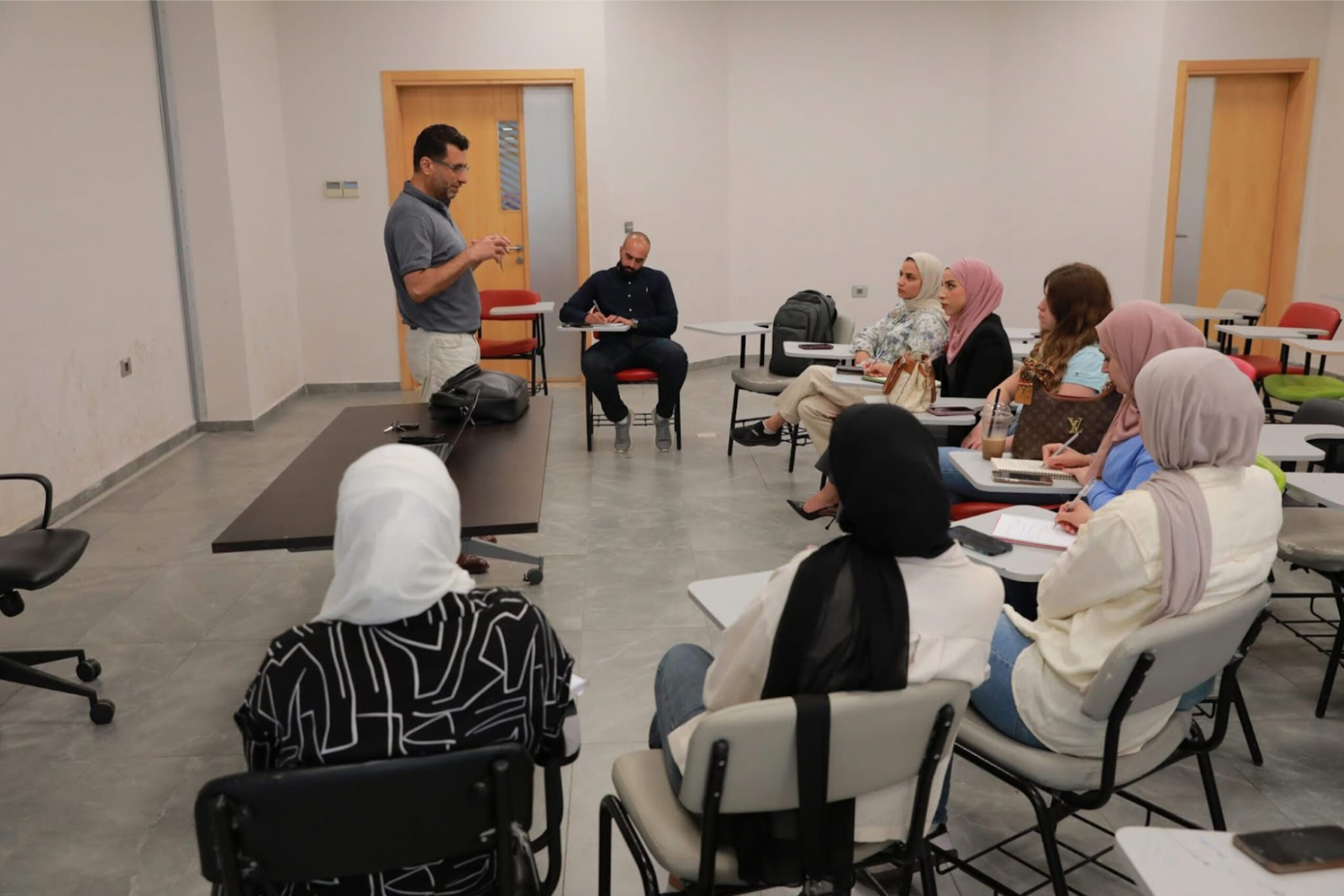
Reclaiming Narrative Sovereignty: A Lesson in Challenging Epistemic Erasure
How do Palestinian classrooms counter dominant narratives in the media? And how can education become an epistemic infrastructure for narrative sovereignty? In this blogpost, Hussein AlAhmad, an Associate Professor of Strategic Communication at Arab American University in Palestine, asks these questions and reflects on his recently published Third World Quarterly article. In Palestine, education is rarely…
-
·
Peace, Politics, and Publishing in the Global South with Morten Bøås
From protesting apartheid in Oslo to conducting fieldwork in Liberia, Uganda, and the Sahel, Morten Bøås’ (Research Professor at the Norwegian Institute of International Affairs, Norway) journey into peace and conflict studies is anything but conventional. In this Q&A with Purniya Awan, he reflects on personal moments, global struggles, and editorial insights that shaped his career and his…
-

·
Jittip Mongkolnchaiarunya Wins the 2026 Edward Said Award
Jittip Mongkolnchaiarunya, a PhD student at George Washington University, has been awarded the 2026 Edward Said Award for her paper “Epistemic Exclusion in Climate Science: Why We Grow the Wrong Trees in the Wrong Places.” Presented by the Global Development Studies (GDS) at the International Studies Association (ISA) Annual Convention, the Edward Said Award recognises…
-
·
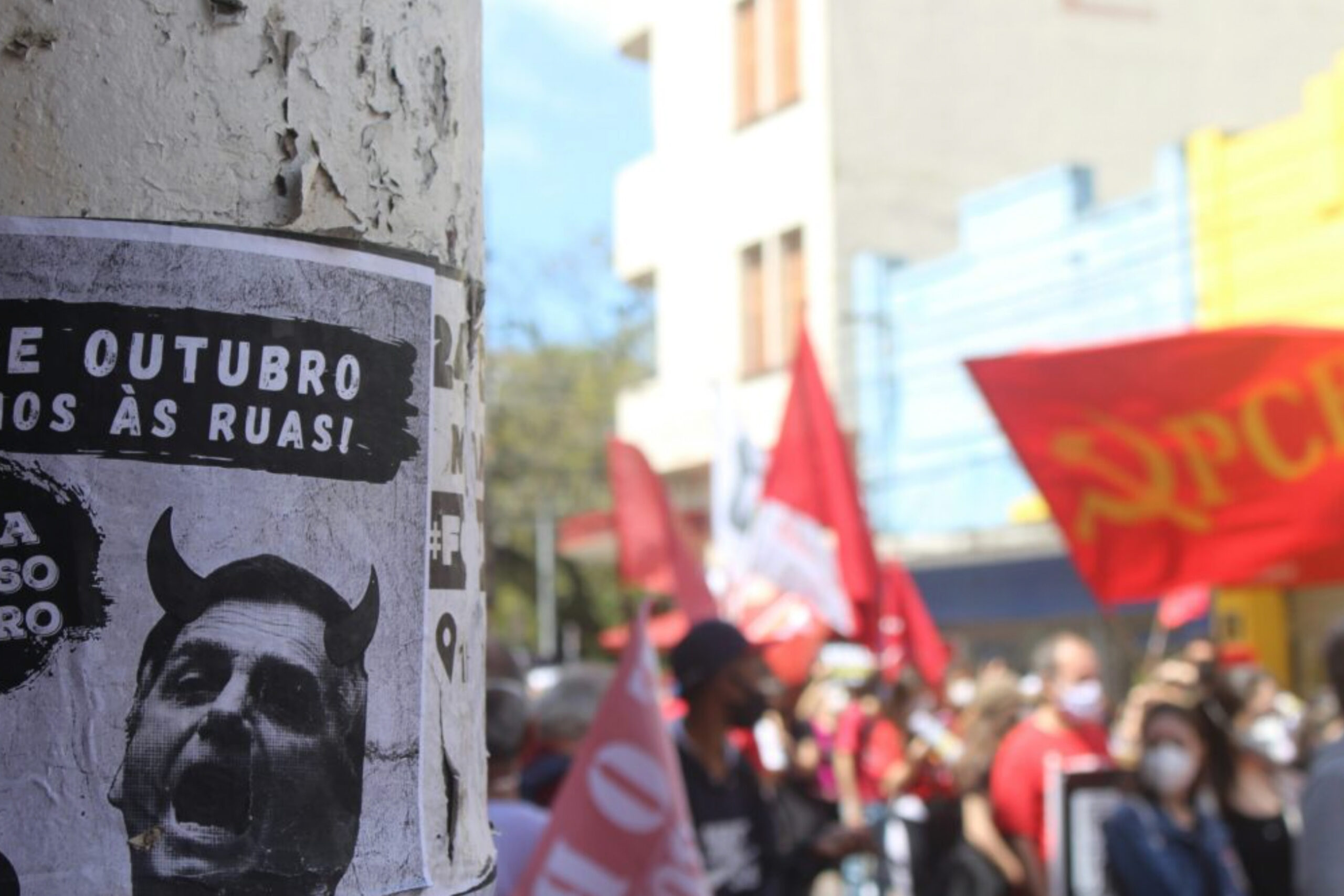
The Rise of Right-Wing Populism: From Brazil to Türkiye
Right-wing populist leaders often sound similar on the campaign trail using anti-elite rhetoric. Yet, once in power, their trajectories in office can diverge sharply. By comparingTürkiye under Recep Tayyip Erdoğan and Brazil under Jair Bolsonaro, this blog piece (based on a 2025 Third World Quarterly article) by Gülşen Doğan argues that their durability depends less on their charisma…
-

·
New TWQ SI: Ghost projects – ruined futures and the promises of infrastructure development
Ghost projects are often overlooked, although they exist in all corners of the world, in the South aswell as in the North: mega-dams whose construction was delayed for decades, unfinished urbandevelopments, roads that exist only on maps, or abandoned airports. These unbuilt or incompleteinfrastructure projects are not just harmless ruins. Rather, they reveal the broken…
-

·
Human Rights in Action: The Small Things That Shape Our World
Each year on the 10th of December, we mark Human Rights Day, a moment to reflect on our shared humanity and the enduring principles that unite us. The day commemorates the adoption of the Universal Declaration of Human Rights (UDHR) in 1948, a pioneering document that affirmed, for the first time globally, the inalienable rights each…
-

·
Third World Radicals: A New SI from TWQ
This Third World Quarterly (TWQ) special issue, titled “Third World Radicals”, shows how activists and thinkers from Latin America, the Middle East and North Africa have swapped ideas, images and tactics from the 1950s to the present. The eight articles move beyond headline cases like Cuba and Algeria to uncover lesser-known stories: Kurdish experiments with…
-

·
World Food Day: Highlighting Global Food Insecurity
Purniya Awan, explores the complex intersections of food, famine, and malnutrition with a particular focus on how food is weaponised in conflict zones like Gaza. In this blog post for World Food Day, she unpacks the systemic drivers of hunger and shares a list of free-to-view Third World Quarterly (TWQ) and Central Asian Survey articles…
-
·
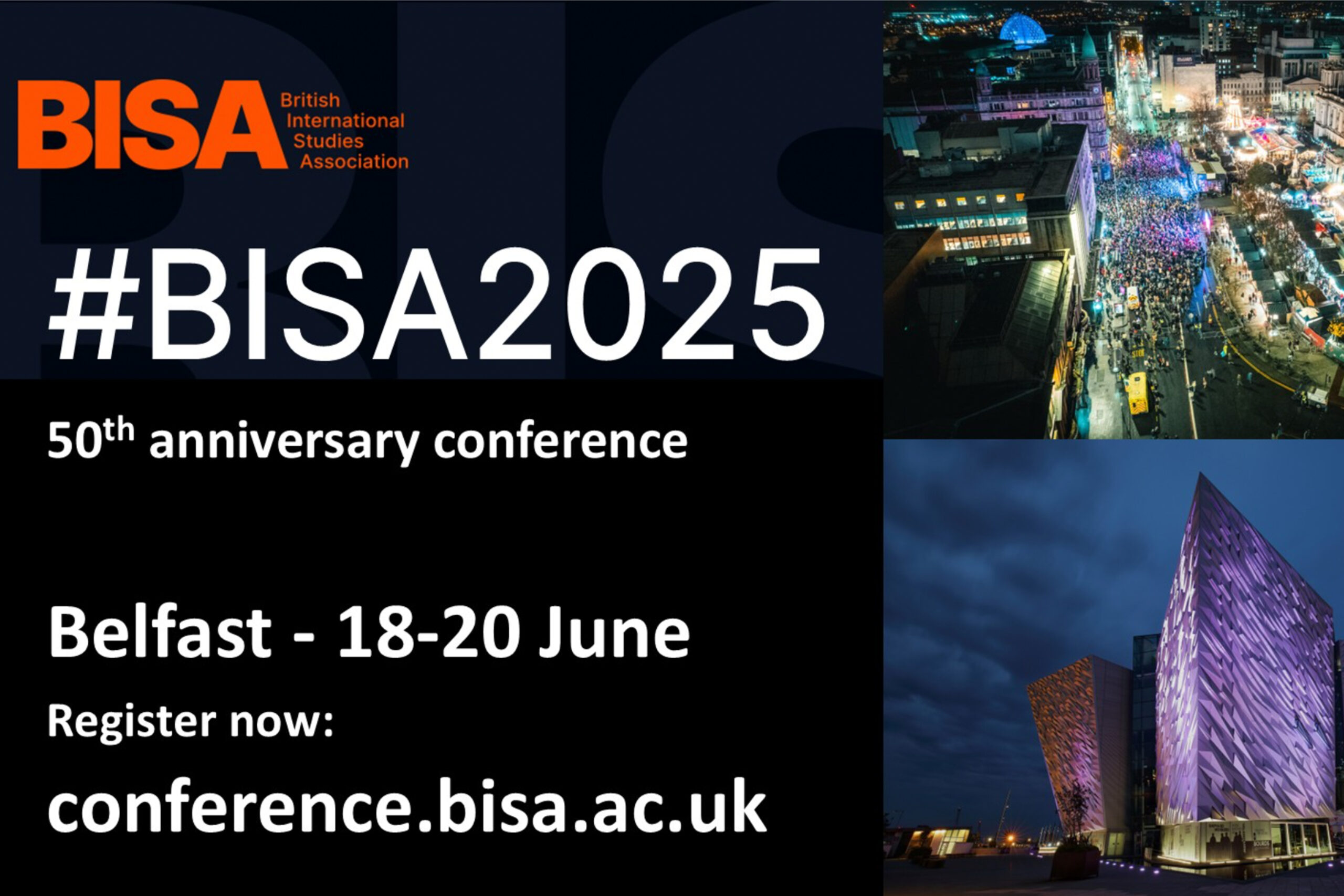
The Hub at BISA: Reflecting on 50 Years of International Studies
Over 1,100 delegates are heading to Belfast this week for the British International Studies Association (BISA) conference, taking place from the 18–20 June. As BISA marks its 50th anniversary, this milestone gathering offers more than reflection – it’s a call to reimagine the future of International Studies. The Global Souths Hub and Third World Quarterly…