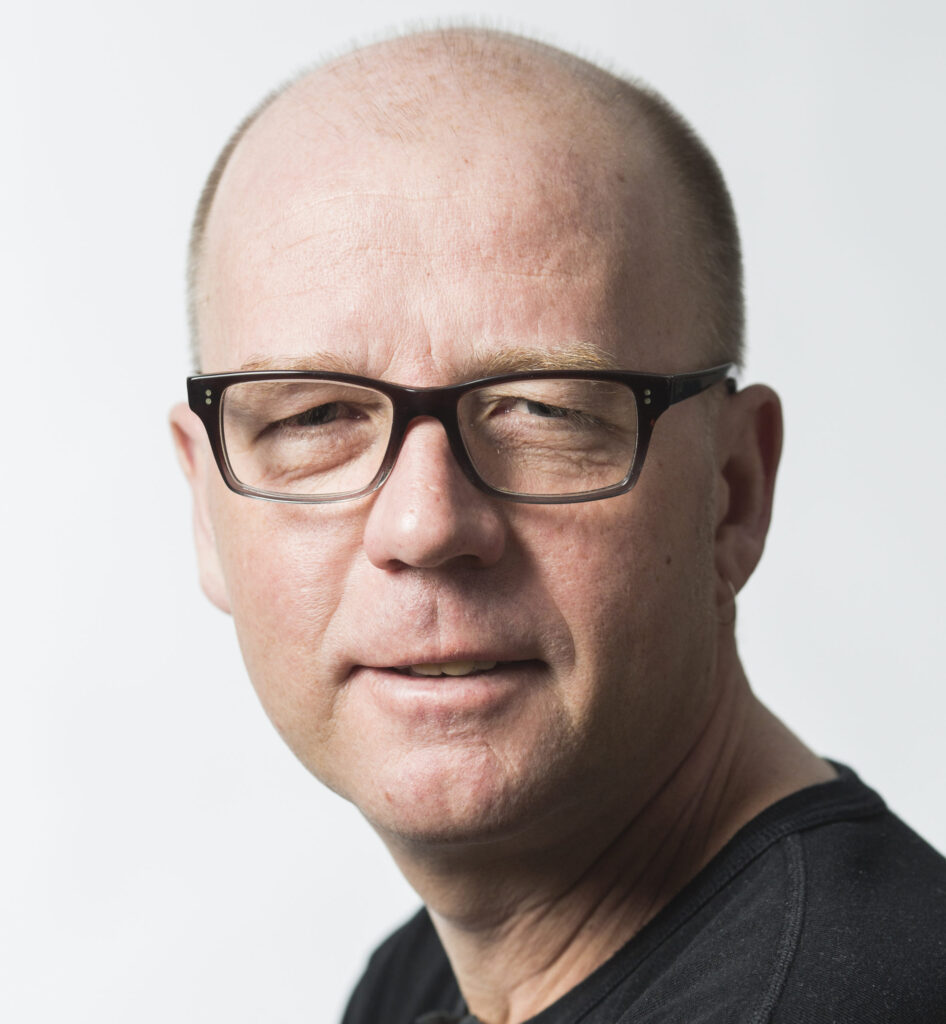
From protesting apartheid in Oslo to conducting fieldwork in Liberia, Uganda, and the Sahel, Morten Bøås’ (Research Professor at the Norwegian Institute of International Affairs, Norway) journey into peace and conflict studies is anything but conventional. In this Q&A with Purniya Awan, he reflects on personal moments, global struggles, and editorial insights that shaped his career and his commitment to justice.
1. Could you tell us about your journey into academia and what led you to focus on peace and conflict studies, particularly in Africa?
As a young person in Norway, I was drawn to Africa through the Eritrean liberation war and the global anti-apartheid movement. I took part in protests, some even against the South African embassy in Oslo. These issues really sparked my interest in justice, conflict, and African politics.
Unsure of my path, I first worked in music before deciding to go to university. A turning point came when, as a young father bringing my infant to class, I caught the attention of a professor who offered me a scholarship and research opportunity. My master’s degree then focused on regional integration in Africa, which led to a PhD on African and Asian Development Banks. Though not yet focused on conflict, fieldwork in West Africa introduced me to working with Liberian refugees, whose stories of civil war deeply impacted me.
This personal connection led to my first major research into Liberia’s violent history, and its legacies. I did some fieldwork in Liberia and Sierra Leone, arriving during the Civil War in 1991. From there, my work took me to Northern Uganda where the Lord’s Resistance Army was active.
We were working on the issue of the insurgency itself but also the alarming situation of Internally Displaced Persons (IDP) that emerged as result. These are people who have been forced to flee their homes by conflict, violence, persecution or disasters, however, unlike refugees, they remain within their own country [see UN definition]. We documented both the insurgency and the devastating impact of state counterinsurgency with up to 95% of Gulu district’s population forcibly confined in Internally Displaced Persons camps. I later expanded my work to include eastern Congo, Mali and the Sahel region.
My aim has always been to explain that violence has context and causes, and to highlight both the cruelty and the resilience found in war-affected communities. I see it as a responsibility of scholars to understand the deeper dynamics behind conflict.
2. You have a deep focus on land rights and citizenship conflicts. What do you see as the most pressing challenges in these areas across Africa today?
Land rights and citizenship conflicts in Africa are intricately intertwined, often manifesting at both national and local levels. While national citizenship confers certain rights, local versions of citizenship, rooted in community acceptance and lineage, often hold more immediate significance for individuals. This localised sense of belonging can be both a source of identity and a point of contention.
In many African societies, such as, but not limited to, Maasai (Kenya & Tanzania), Igbo people (Nigeria), Akan people (Ghana, Côte d’Ivoire), land is not merely a commodity, but a fundamental asset tied to survival and future security. But traditional land tenure systems, historically managed by chiefs or local rulers, have been eroded by colonial and post-colonial state structures. The weakening of these traditional authorities, coupled with the state’s often inadequate governance, has created a vacuum where land disputes can cause tensions and escalate into violent conflicts.
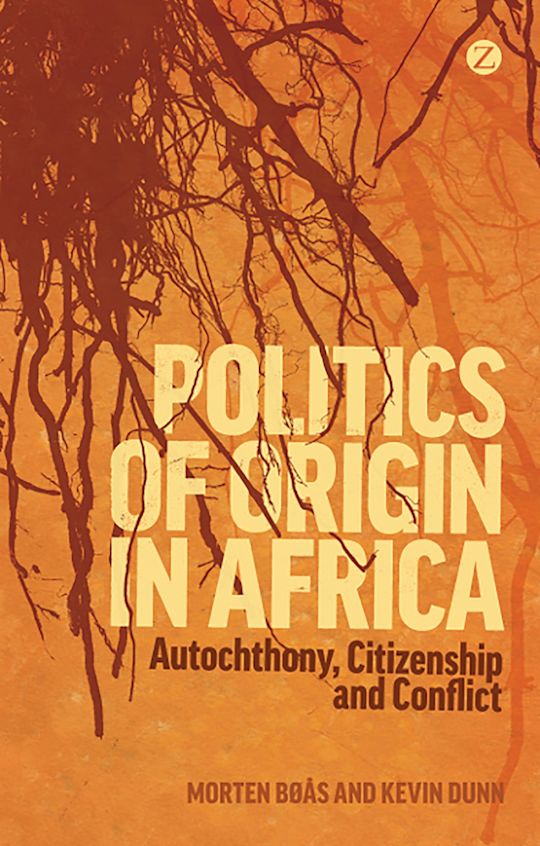
The absence of formal land titles for many individuals further complicates matters. Without legal documentation, people rely on community recognition of their land rights, which can be precarious and subject to contestation. This is particularly evident in regions like the Sahel and parts of Nigeria, where farmer-herder conflicts are prevalent.
International interventions aimed at resolving these issues sometimes overlook the complexities of local agricultural practices. For example, in Liberia, the slash-and-burn farming technique requires multiple plots of land to ensure food security. This nuance is often missed by external actors unfamiliar with such practices.
Last year, I visited Nigeria to present a report co-authored with a colleague, and to collaborate with the Centre for Democracy and Development, a Nigerian research institution which focuses on the conflict in Northern Nigerian conflict, a highly complex issue due to many political and historical reasons.
3. What was the most pivotal moment in your academic career that shaped your current research trajectory?
I find that my path has been shaped more by a series of subtle, everyday choices than by singular, transformative event. However, certain experiences have profoundly influenced my approach to research and scholarship. I mention this in my book, The Politics of Conflict Economies Miners, merchants and warriors in the African borderland as well.
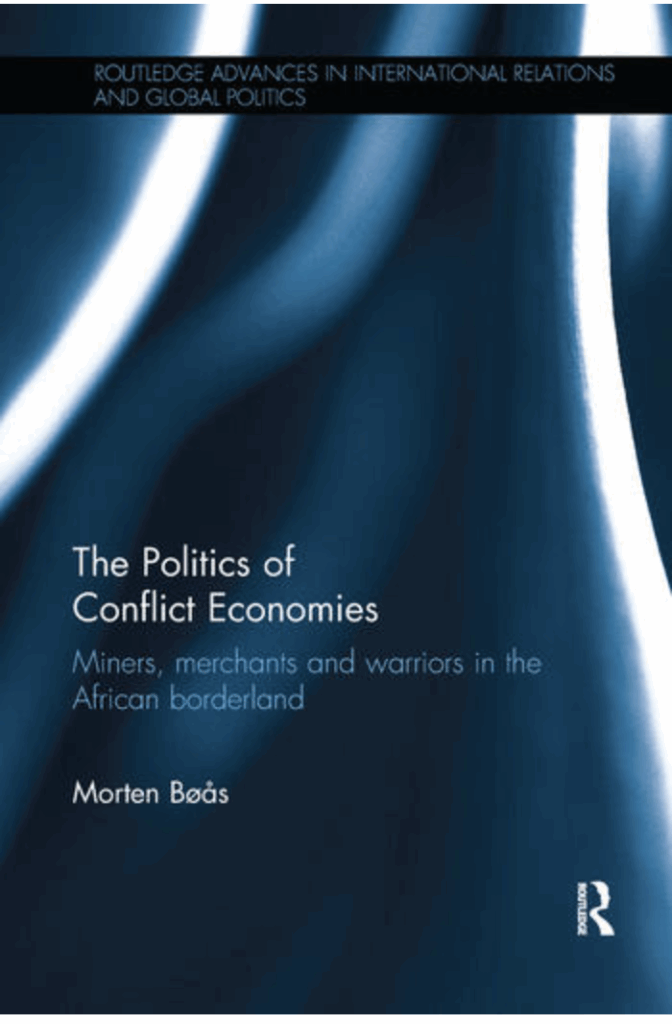
(Routledge Taylor and Francis)
Working with people who are living in conflict zones reinforced my commitment to a human-centred approach in my research, emphasising the complexities of individual experiences.
Through my fieldwork I have come to also appreciate the nuanced interplay between individual agency and structural constraints. I prefer not to define my academic journey by a single publication or a tally of articles.
While writing is essential, I hope my career isn’t measured by the number of papers I’ve authored. Instead, I aspire to be recognised for the depth and impact of my work, for its capacity to inspire thought, foster collaboration, and contribute meaningfully to our understanding of the world.
Morten Bøås
4. What advice do you have for early-career scholars interested in publishing in journals like Third World Quarterly? What common mistakes should they avoid?
If I could offer one piece of advice to early-career researchers, it would be this: write about something you’re genuinely passionate about. Academic writing is demanding, and the process of drafting, revising, and submitting can be gruelling. Choosing a topic that truly interests you will make the journey more rewarding and sustainable. Avoid the temptation to chase trends or fit into predefined debates. Instead, focus on what excites you and consider why others might find it compelling too.
How you present your work is also important. Before submitting to a journal, ensure your manuscript adheres to its specific guidelines such as formatting, citations, and a clear structure. Editors notice these details, and they reflect your professionalism.
Remember that rejection is a natural part of the academic process. If your paper isn’t accepted on the first try, don’t be discouraged. Carefully review the feedback provided by reviewers. Sometimes, it may feel like they’ve misunderstood your work, but this is an opportunity to clarify and strengthen your arguments. Even seasoned researchers face this challenge. The key is to approach revisions with an open mind and a willingness to improve.
When responding to reviewers, be thorough and respectful. Address each comment thoughtfully, explaining how you’ve incorporated their suggestions or providing a rationale when you haven’t. This dialogue not only enhances your manuscript but also demonstrates your commitment to scholarly discourse.
Lastly, start early in your research career. Engage with the writing and submission process sooner rather than later. You may face setbacks, but each experience is a learning opportunity. Over time, you’ll refine your skills and gain confidence.
5. Your career balances both research and editorial. How do you manage these responsibilities, and how does one inform the other?
Balancing my roles as a researcher and as an editor can be challenging, but when managed well, it enriches my scholarly work. As a Special Issues editor for Third World Quarterly (TWQ), I engage with a diverse range of perspectives which encourages my own interdisciplinary thinking. This diversity is increasingly vital in an academic landscape that often emphasises specialisation.
I am concerned that the current academic trajectory rewards narrow specialisation at the expense of broader, more integrative scholarship. This can lead to a fragmented understanding of complex global issues.
As scholars, we have a responsibility to engage with diverse fields and perspectives to address the interconnected challenges of our time.
Morten Bøås
Through my editorial work, I strive to foster a more inclusive and expansive approach to scholarship. I work with TWQ Academic Editor, Marianne Marchand (Visiting Professor, Carleton University, Ottawa, Canada), on Special Issues. The two of us handle a huge load of papers which is a constant balancing act – staying grounded in the purpose behind the work while also recognising the value it brings to our own thinking and growth in the field.
We, as an academic community, are fortunate to have a relatively broad based open journal space that embraces diverse content. We welcome diversity in not only age, gender, and other intersectionalities, but also in supporting people working directly on the ground, which has shaped our work with TWQ.
When curating Special Issues, I prioritise the inclusion of scholars based in Africa, especially those actively engaged in research within their own countries. This not only enriches the quality of the work, but also ensures that voices from the Global South are authentically represented.
I am also committed to mentoring emerging scholars, specifically those based in the Global South, who often face barriers to accessing international academic platforms. Through co-authoring and guiding scholars through the publication process, we hope to contribute to a more equitable academic community.
6. When you’re not immersed in research or academic work, what other hobbies do you have which serve as a personal escape or a recharge for you?
The world undeniably feels like it’s at a difficult juncture right now. The weight of global challenges, political tensions, and environmental crises can often feel overwhelming.
In times of despair, it’s easy to succumb to negativity. But I believe that if we are to navigate our way out of these challenges, we must hold onto hope. We need to remain optimistic, constructive, and proactive. Dwelling incessantly on the world’s problems without seeking solutions only deepens the sense of helplessness. It’s essential to balance awareness with action, to channel our concerns into meaningful endeavours that contribute to positive change.
Personally, I find that stepping away from the constant barrage of distressing news is crucial for my well-being. I am an avid outdoors enthusiast, and nature offers me the respite I need. Whether it’s skiing, hiking in the nearby forests, or simply enjoying a quiet moment by a lake, these experiences rejuvenate my spirit.
Another profound source of joy and purpose in my life is my role as a grandfather. Becoming a grandfather two and a half years ago has brought a renewed sense of purpose and joy into my life. Spending time with my grandson is not just a personal delight but also a reminder of the future we are shaping. I am deeply committed to ensuring that he, and all children, inherit a world that is more compassionate, equitable, and sustainable, devoid of political polarisation and social fragmentation.
7. Any special issue/s you’re working on perhaps?
Turning to the realm of academia, particularly in the context of TWQ, there’s a wealth of compelling research emerging. As a Special Issue editor, I encounter numerous insightful submissions. While it’s tempting to highlight specific pieces, I believe it’s more fitting to encourage readers to engage with the diverse range of topics being explored. Each article offers a unique perspective, contributing to a broader understanding of global issues. For instance, recently published Special Issues delve into themes like the limits of autocratisation and the informality of crisis situations, providing critical analyses of democratic resistance and survival strategies in times of crisis. There’s a lot of interesting stuff coming out this year and next year, in the third quarter.
8. Would you like to elaborate on your upcoming projects?
In my own research, I’ve expanded my focus to borderlands between Russia and Europe and Ukraine in particular. Ukraine has become a focal point of my studies. The geopolitical dynamics in this area are complex and multifaceted.
I’m also increasingly concerned with the rise of information warfare across Africa. The proliferation of disinformation campaigns, often fuelled by foreign actors, poses significant challenges to democratic processes and social cohesion. It’s imperative that we approach this issue with systematic research and a commitment to understanding its nuances. As scholars and global citizens, it’s our responsibility to not only comprehend these phenomena but also to actively work against them. A world fragmented by misinformation and political polarisation is detrimental to us all.
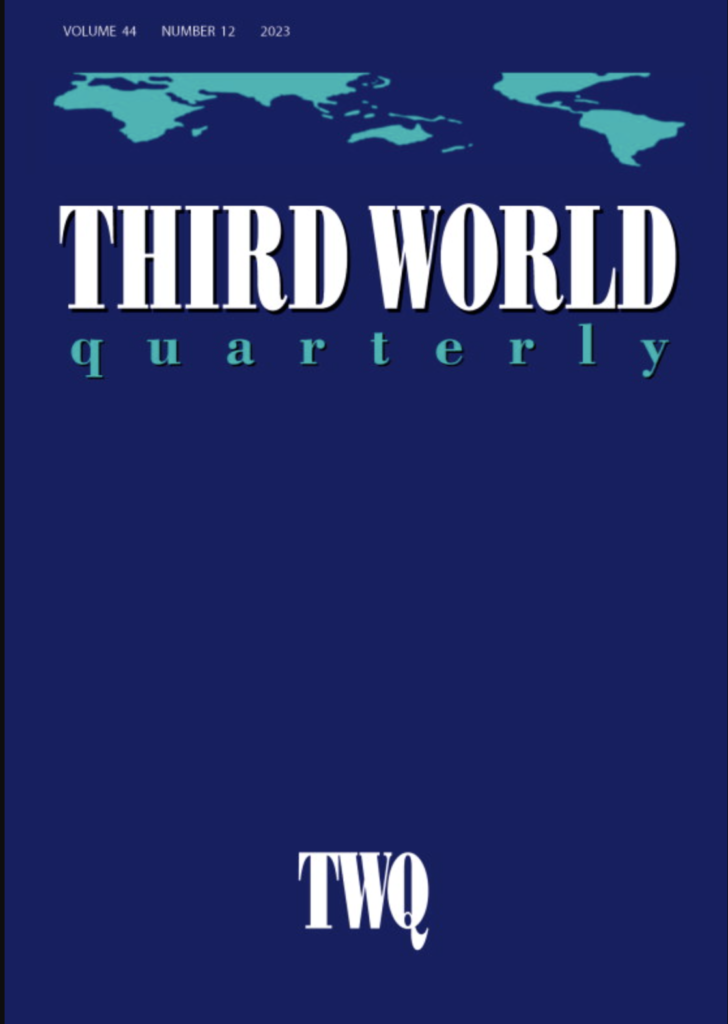
Third World Quarterly: Call for Special Issues
Third World Quarterly is currently seeking Special Issues presenting innovative, interesting and important research on critical issues and core debates affecting the Global South. If you want to find out more, visit the Taylor and Francis website.