Sahra Ahmed Koshin is a Somali and Dutch anthropologist, development worker, poet, and founder of the Somali Gender Hub, a network dedicated to empowering Somali women in research and academia. Now completing her PhD on Somali Diaspora Humanitarianism, she tells the inspiring journey behind setting up the Somali Gender Hub.
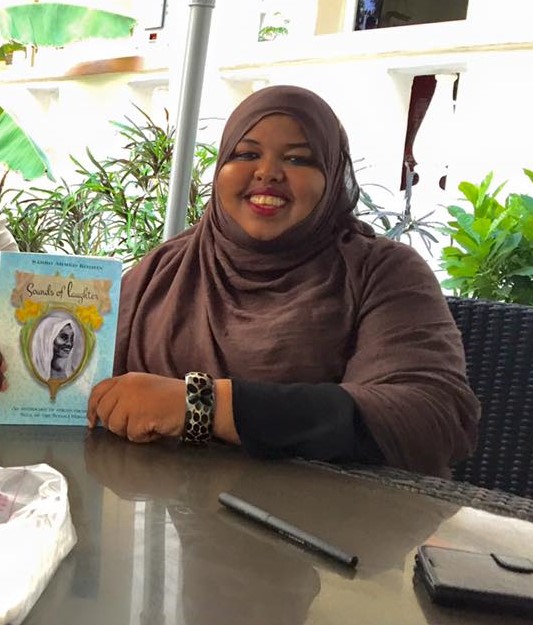
Why I First Fell in Love With Writing
I’ve always loved writing, both academically and creatively, as it’s the way I express myself best. I started writing in 1997 when I was in a refugee camp in the Netherlands. I was very young, but full of ambition, hopes and dreams.
Eventually, I settled in the Netherlands and did most of my education at the University of Leiden, where I completed both my Bachelor’s and Master’s degrees in Cultural Anthropology and Developmental Sociology. I also earned a second Masters degree in Development Studies at Radboud University Nijmegen.
Over the years, I’ve blogged in Somali, English, and occasionally in Dutch. I used to write about my life in Somalia on the Garowe Women at Work blog, but now I have my own blog (Sahra Koshin) and write for Gender Issues in Somalia blog.
How travel shaped me
After graduating, my first job took me to Sierra Leone, to work on issues around violence against women. There, in 2007, I was attacked in the street and my bag was stolen – the incident shook me deeply. Until then, I saw myself as a globetrotter—an anthropologist with dreadlocked hair, with a passion to help and support women living in the developing world. But that moment made me question my identity.
My father is from Puntland, in northeastern Somalia, but I had never been there. I was born in Mogadishu, capital city of Somalia, but I grew up mostly in Kenya, Zambia, and then The Netherlands – like many uprooted Somalis. I had always seen myself as a global citizen, but after that incident, I started reconnecting with my roots and exploring Somalia’s history, culture, and people.
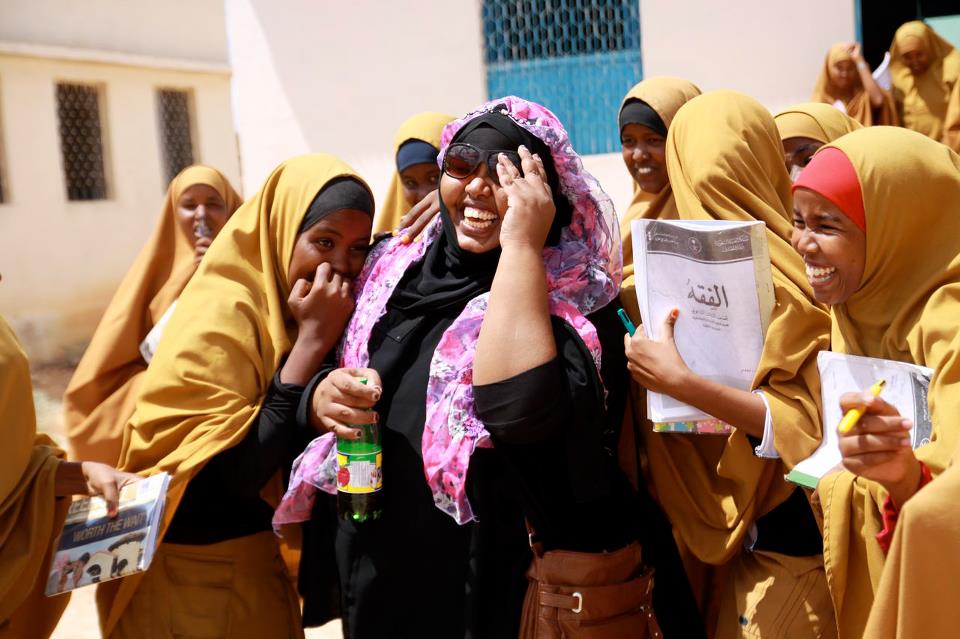
Reconnecting with My Roots
In 2008, I moved to Somalia through an EU-funded diaspora return programme which recruited many other members of the diaspora to help rebuild the country. I was placed with one of CARE Netherlands’ local partners in Somalia.
I soon found myself in Puntland, the region where my father is from. It was a return to my roots, although I didn’t know anyone there personally and I’d never been there before – I only knew that some of my father’s relatives lived in the area.
Assigned to the Puntland Ministry of Education, I saw that at the time, the landscape of higher education in Somalia was stark. There were very few universities, hardly any women in higher education, and no female lecturers or secondary school teachers.
I began documenting my experiences and sharing stories of what I saw, felt, and learned. I reflected on identity, education, and the role of women in rebuilding the country. Eventually, I asked myself: why not share the storytelling, writing and blogging skills with other Somali women?
I began running informal training sessions for women on how to harness social media by using blogging platforms, such as Medium and Substack, for self-expression and even as a source of income. Some began sharing their voices, publishing books and reaching audiences beyond Somalia – with a handful of women writers, poets, and bloggers. That’s how it all began.
Working with the Ministry of Education
Five years later, I noticed that most consultants doing research in higher education in Somalia were older white men, with few locals or women involved. This made me think about who gets to produce knowledge and how we can reclaim that space.
English was their language, but most people in the Ministry of Education didn’t speak English, and the consultants knew no Somali. They always relied on local interpreters, but the interpretation often fell short. As someone fluent in both Somali and English, I saw these miscommunications happening daily.
What started as a comment on translation grew into training and support for women in research and academia. This became the Somali Gender Hub.
Setting up the Somali Gender Hub
In 2018, we took a big step and started building a platform specifically for Somali women researchers. We had noticed that the majority of accomplished Somali women in academia were living in the diaspora. These women had achieved so much, but their knowledge and experiences weren’t always accessible to those back home.
We wanted to connect those Somali women researchers in the diaspora with emerging scholars at home to create a space for mentorship and inspiration. We began with a Yahoo Group, which eventually evolved into a Google mailing list and from there, a growing network.
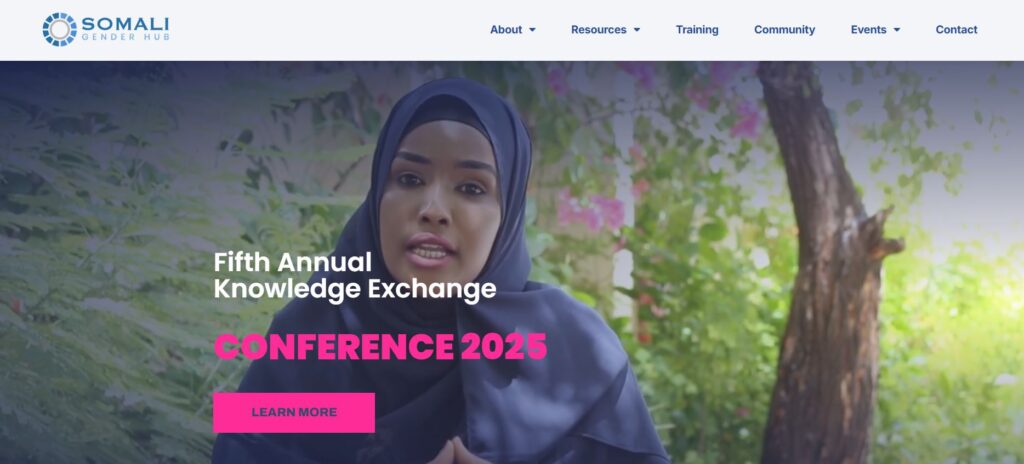
Today, the Somali Gender Hub is a community of practice who share a passion to support other women with more than 300 women members, and it continues to grow. We communicate, support one another, share resources, and celebrate achievements. When someone completes a thesis or graduates, our platform becomes a space to showcase their work and share it with others.
The hub also maintains a network of Somali gender experts, and we’ve built an internal learning system, where people can access resources, training, and mentorship opportunities.
With support from local partners like the Open University in Amsterdam, we’ve strengthened gender-responsive capacity in higher education institutions in Somalia. Later, in collaboration with U.S.-based partners such as the Global Campaign for Equal Nationality Rights, we expanded into advocacy for equal nationality rights. Together, we’ve developed a growing library of physical and video-based research trainings, advocacy sessions, online discussions, and mentoring opportunities.
The Somali Gender Hub Annual Conference
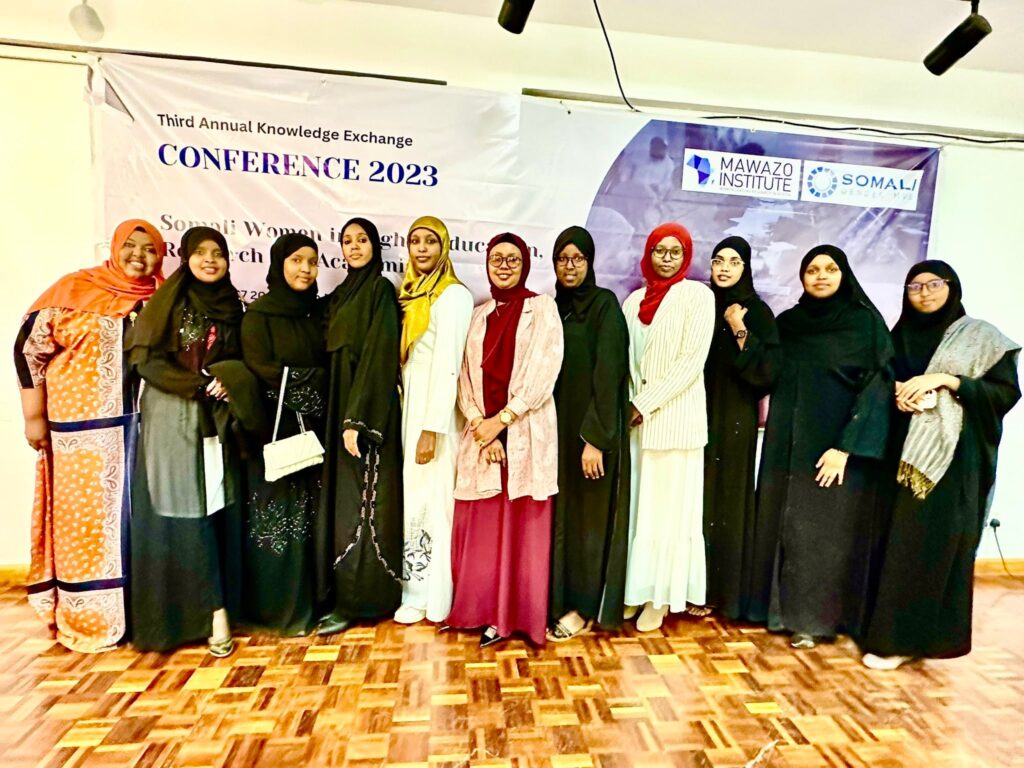
In 2020, we launched the Somali Women in Research Conference to unite Somali women researchers, writers, and advocates worldwide. Now, in its sixth, the three-day event focuses on key challenges and solutions, ending with an action plan to turn ideas into impact. We work with education-focused organisations, many abroad, for example Mawazo Institute which offers fully unded scholarships to women pursuing Master’s or PhDs. Through our partnership with MAWAZO, we support early-career women researchers as they work to find solutions to local and global development challenges. The next conference will take place in November 2025 in Nairobi, Kenya.
The Hub’s Inspirational Partners
We have partnered with organisations such as Rising Scholars (which is a free global network that provides support for researchers in the Global South), and the Ministries of Education in Puntland and the Federal Government. Together, we have promoted gender responsive programming and helped mainstream gender into projects.
The Hub is also part of a global network of allies committed to gender justice, including a key partnership with the New York based Women’s Refugee Commission (WRC)’s Global Campaign for Equal Nationality Rights which mobilises international action to end gender discrimination in nationality laws through local and international advocacy, activism, research, capacity building and knowledge sharing. We conduct research and evidence on, among others, Somalia’s legal framework on citizenship.
Somalia is one of 24 countries in the world where a woman cannot pass her nationality on to her children if the father is not Somali. For so many Somali women in the diaspora, this has become a major concern – especially for those married to non-Somali men, as their children could face statelessness and restricted rights. We also collaborate with World Purse, a digital platform supporting women through mentorship and activism through digital journalism.
Amplifying Somali Women’s Voices
As a Somali woman, I believe it’s essential that we take part not only in academic spaces but also in policy development and in documenting our nation’s history. Throughout Somali history, women have played vital roles in resistance movements, against colonialism, peacebuilding, and development, yet their contributions are too often overlooked. Their stories deserve to be told to honour their legacy, and to inspire future generations of women leaders and scholars.
“My dream is to create a living “Wikipedia” of Somali women—activists, scholars, and leaders, both past and present to remember who they were, what they did, and why their contributions matter.”
Today, most knowledge about Somalia is produced by individuals and organisations connected to foreign universities. While collaboration is valuable in building coalitions with shared purposes, this external dominance risks marginalising local voices—especially women’s.
Even at key conferences on knowledge production in the Somali regions, I noticed it was mostly men leading the conversations. It left me asking: where are the women?
We’ve explored this question in our own Hub research. The reasons for women’s absence in publishing and academic discourse are complex—some of which I’ve shared on my blog (Sahra Koshsin). Structural barriers, limited access to mentorship, and the weight of societal expectations all play a part. But we want to change that narrative.
Sahra: The poet
I never planned to live in the Netherlands—I was actually on my way to the US where some of my family had settled. I was travelling with a group of young people, but I missed the flight. I ended up in a refugee camp in Leiden, which became a second home. I met wonderful people there and it is a big part of my identity.
I had this large piece of blank papers where I’d write my poetry. Just my thoughts and some drawings, and stick them on the wall. I wrote a lot and one day a social worker, Madeleine, came in and she saw all this powerful language.
Madeleine read my poetry and really liked it. She was able to read it because I had chosen to write in English.
How The Poetry Club Started
One night, I was invited to attend the launch of a Dutch poetry club called Leids Dichtersgilde. It was a poetry club of mainly much older people, all of whom had published many books and I was there amongst them.
I was also the only Black person, the only Muslim and also the youngest person there. I read in English but they asked me to read something in Somali. The audience were deeply touched by my Somali poem. Although they said that they couldn’t understand what I was saying, they could still feel it. That’s how The Poetry Club started.
Somalis are very poetic people. We are a nation of poets and storytellers. We express ourselves through poetry. If you go to any conference or meeting of Somalis, everybody talking will speak in proverbs and idioms, and in poetry to get a message across.
In the village of my people (An extract)
I met the family I never knew I had,
In their smiles and laughter, my heart grew glad.
Relationships blossomed, my kin from afar,
Suddenly, the whole village was my family and I felt like a star.
Excerpt from Sara’s poem ‘In the village of my people, the sun paints the sky..’ (Source: Sahra Koshin’s blog)
Get in touch
Whether you’re a Somali academic, artist or activist I would love to hear from you, I am happy to have supported so many women over the past 16 years that I have lived in Somalia in different ways to write their thoughts, and their stories. If you would like to find out more follow this link women writers or somaligenderhub.org
Please also visit my blog https://sahrakoshin.wordpress.com/