This Third World Quarterly (TWQ) special issue reconceptualises activism in the Global South as spatially hybrid, affectively/ emotionally charged, and a source of epistemic innovation and new ideas. Read the full Special Issue (Reconceptualising Activism Space in Contemporary Global South, Third World Quarterly, Vol 46).
Drawing on contributions from research in India, South Africa, Palestine, Iran, Kenya, Chile, and Pakistan, the articles are organised into four themes—securitisation and shrinking civic space, decolonial and counterhegemonic activism, hybrid spaces and decentralised resistance, and emotion and affect as political tools.
Together, the articles show that activism is not simply reactive but it is constantly evolving, being reshaped and creatively reassembled across physical, digital, and symbolic spaces. Through rich, grounded case studies, the edited volume foregrounds and positions the Global South as a site of theoretical innovation with new ways of thinking about resistance emerging. These approaches challenge dominant Western perspectives and offer fresh insights into how justice, space, and politics can be redefined.
““Across the Global South, activism is under siege—yet it forges new vocabularies of resistance, urging us to rethink its forms, spaces, and futures. We centre the South not as a site of crisis, but as a ground of political imagination and transformative praxis that disrupt dominant paradigms. This volume reframes activism as epistemic innovation, where the margins speak back through strategies shaped by history, struggle, and hope.”
Hosna J. Shewly, University of Amsterdam
“Although being a driving force in the struggle for better futures, activism is constantly under threat. Authoritarian modes of governance force activists to develop new and innovative ways to continue their struggle. This Special Issue explores how citizens across the Global South craft new spaces of resistance—creative, decentralised, and often precarious—sustained by the belief that another future remains possible.”
Eva Gerharz, Fulda University of Applied Sciences
About the Special Issue Guest Editors
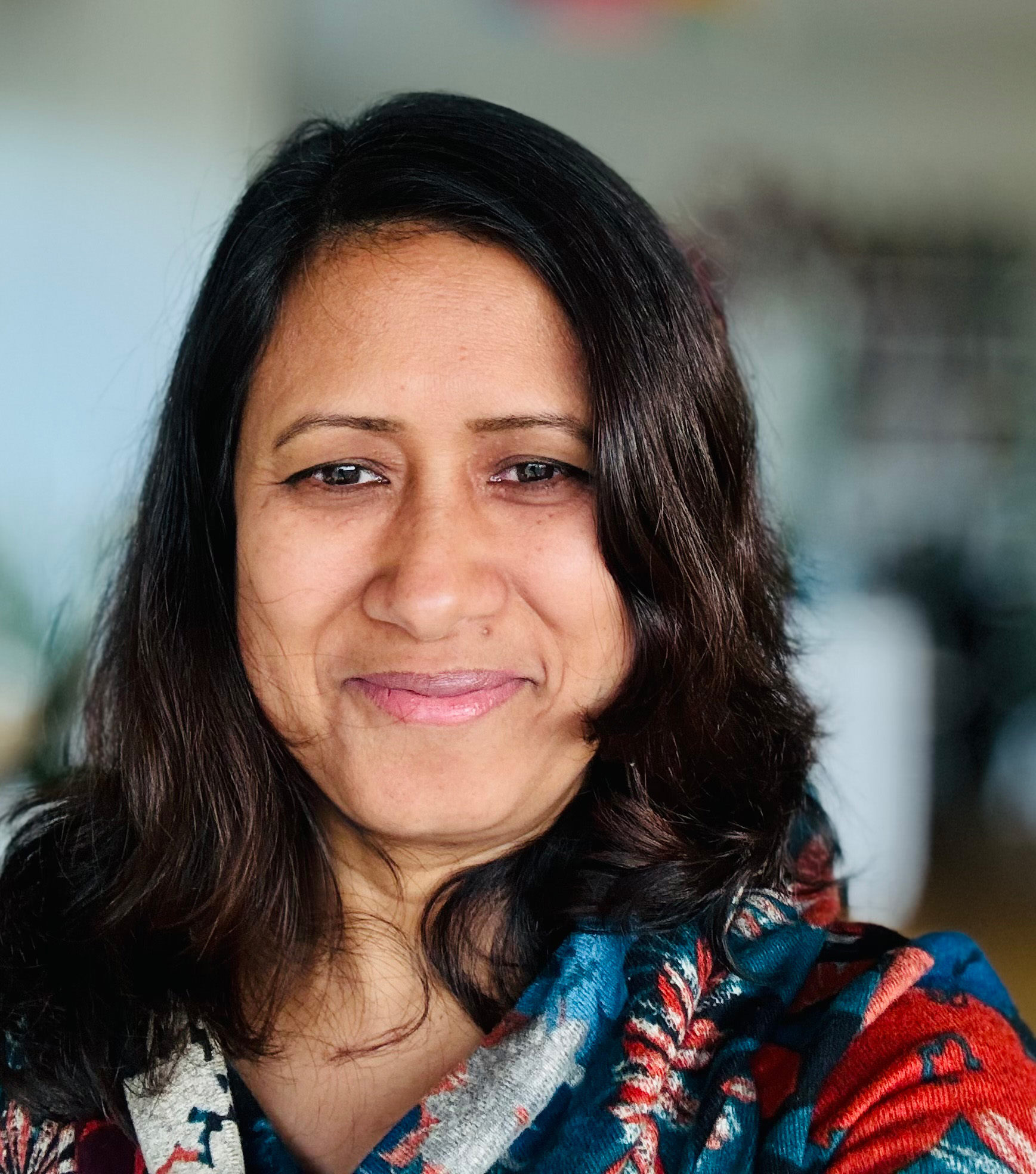
Hosna J. Shewly is a Research Fellow at the Department of Anthropology, University of Amsterdam, and the Department of Social and Cultural Anthropology, VU Amsterdam. She holds a PhD from Durham University, UK. Her work broadly lies at the intersection of mobility and migration, borderlands, environmental governance, public spaces, activism, and the politics of expendable life in South Asia and West Africa. She explores how state power, development, and environmental change shape experiences of displacement, vulnerability, and (im)mobility, and how diverse actors, from Indigenous communities to youth and feminist movements, respond through activism and advocacy.
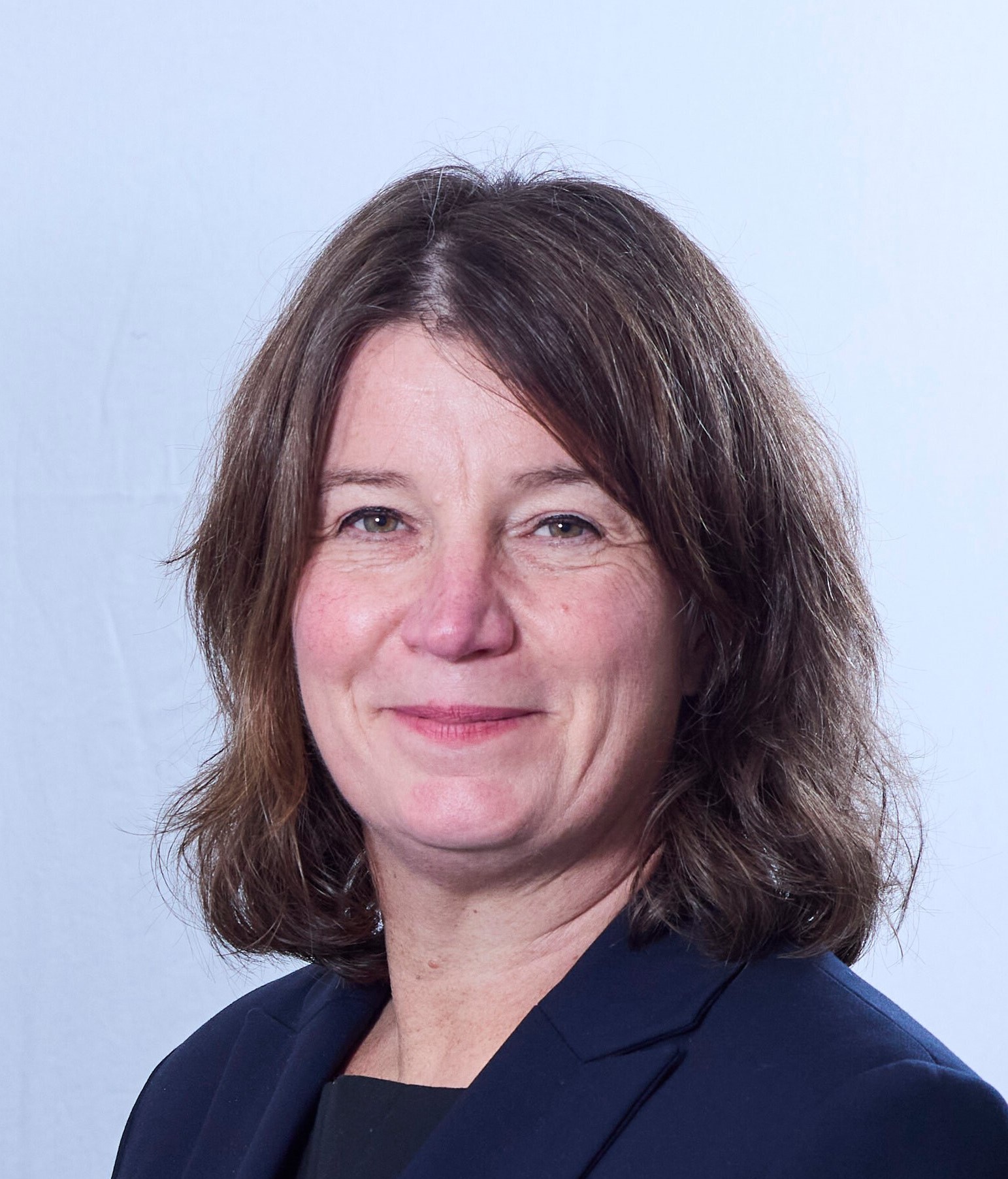
Eva Gerharz is Professor of Sociology at the Department of Social and Cultural Sciences at Fulda University of Applied Sciences. Her research interests include development and social change, youth movements, activism, indigeneity, democratisation, ethnicity, and conflict. Her regional focus is South Asia (Bangladesh and Sri Lanka). She is the author of various articles in journals and of”The Politics of Reconstruction and Development in Sri Lanka” (Routledge, 2014), co-editor of “Indigeneity on the Move” (Berghahn 2017) and of various other books and special issues. She is a member of RC09 the International Sociological Association and of the European Association of South Asian Studies.