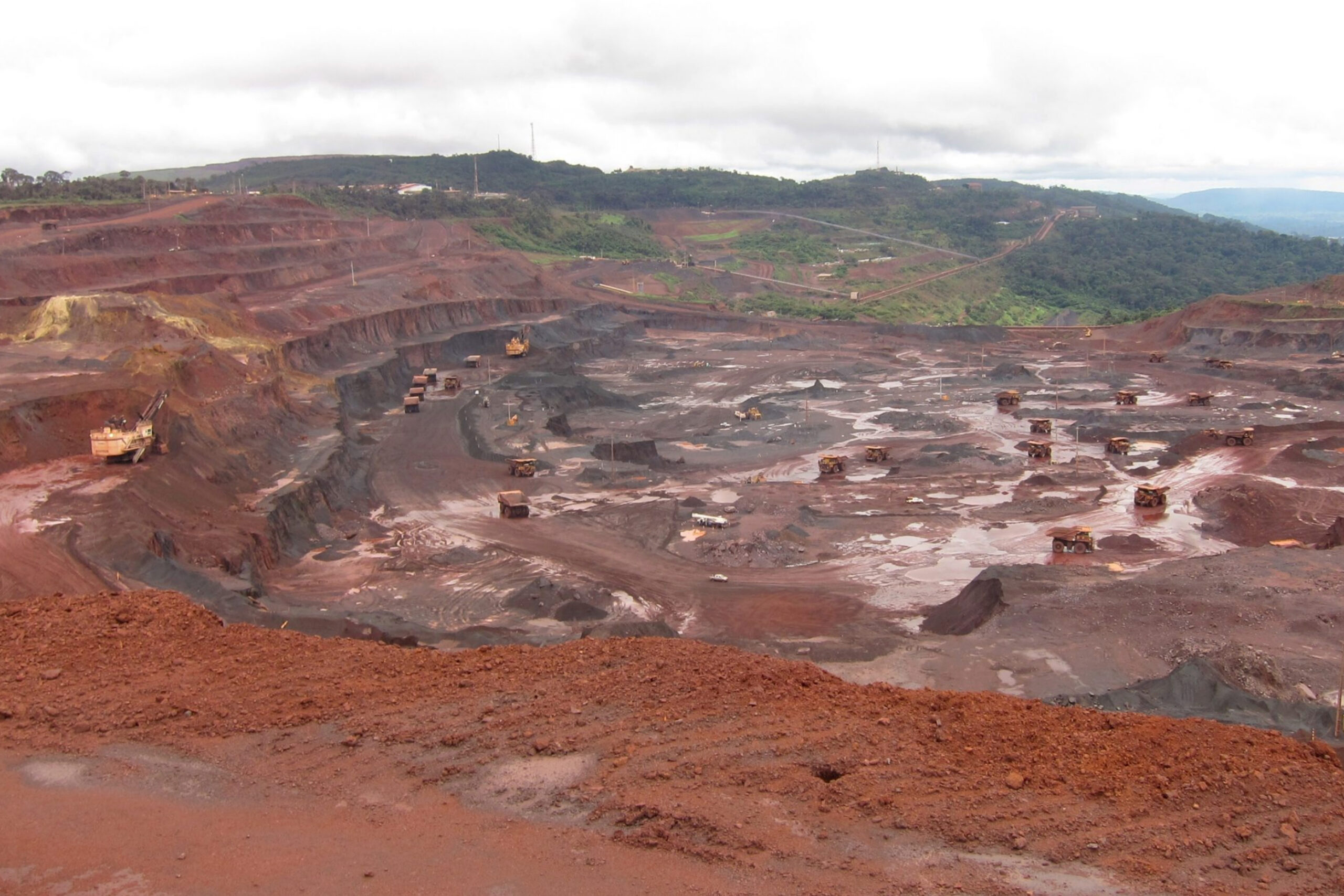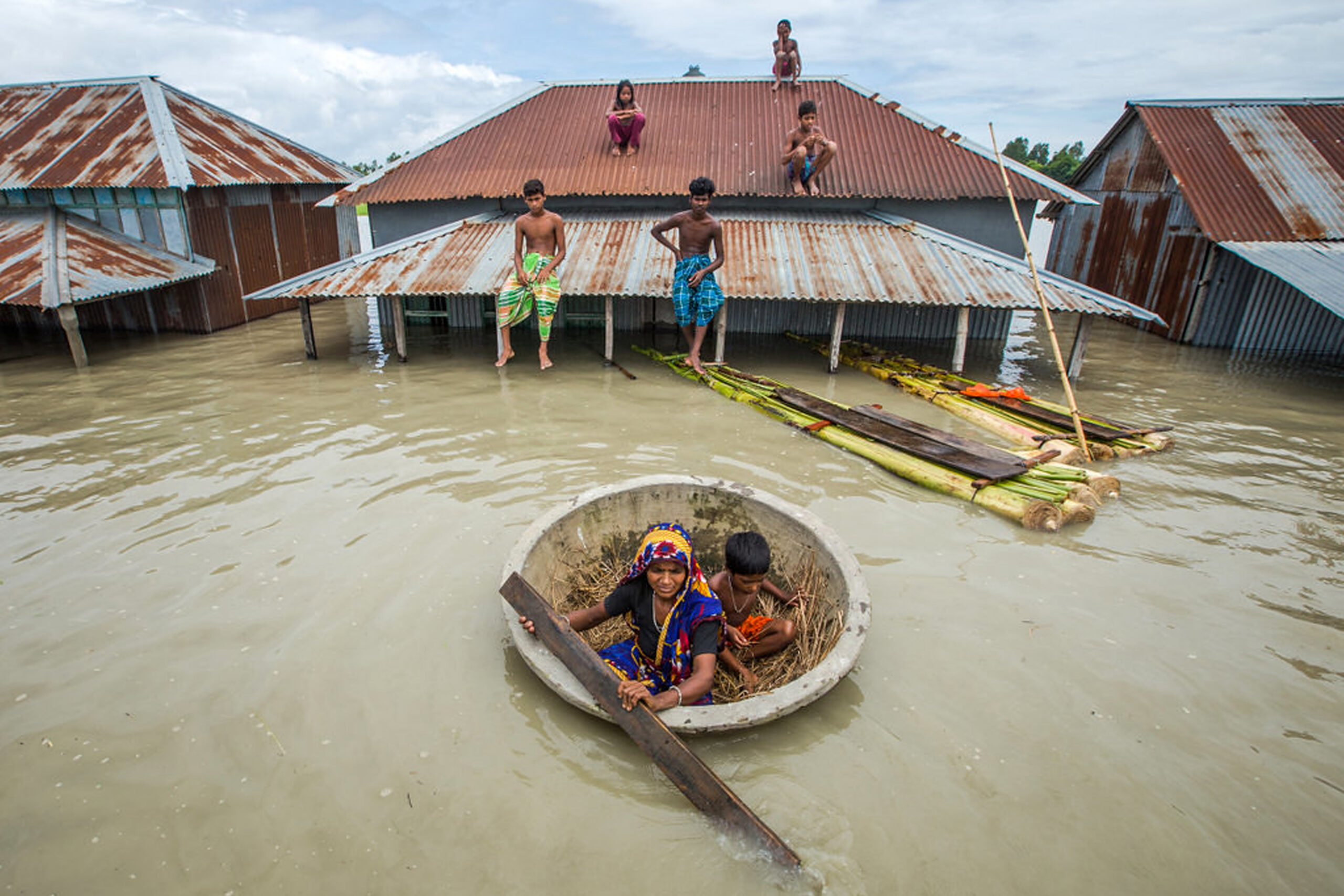
This special issue (Extractivism, Resistance, and Transformations. Guest editors: Anja Nygren, Markus Kröger and Barry Gills) analyses the alternatives and resistance to destructive natural resource extraction. The articles assess cases from various parts of the world in many different extractivist sectors. By discussing both localised transformations towards sustainability, autonomy and justice, as well as broader, global reformist changes to improve the conditions of resource extraction, the special issue explores how the impacts of extractivism can be less harmful.
The issue finds that there are many instances of resistance that have been successful, as well as transformative alternatives being forged; working against the global extractivist expansions that cause socio-environmental damages, injustices and conflicts. Active protesting, everyday forms of resistance, as well as governance attempts to equalise global power relations and govern production chains, have been highly important.
Featured articles include:
- Transformative resistances to extractivisms – Markus Kröger, Anja Nygren & Barry Gills
- Zambian tech imaginaries and alternatives to personal data extractivism – Christopher W. Chagnon
- Green extractivism and the invention of ‘carbon territories’ in the Brazilian Amazon – Juliana Gomes Miranda & Sérgio Sauer
- Resistance to extractivism: pin-prick land grabs and ‘failed’ corporate land deals – Saturnino M. Borras Jr., Lorenza Arango, Moges Belay, Jennifer C. Franco, Sai Sam Kham, Tsegaye Moreda, Doi Ra, Itayosara Rojas Herrera, Chunyu Wang & Yunan Xu
- Resistance as regeneration: the resurgence of more-than-human regenerative farming worlds – Maria Ehrnström-Fuentes & Saana Hokkanen
- Forest land deals, resistance, and legitimisation – a comparative analysis of discourse coalitions and silent actors in Cameroon and Malaysia -Maria Brockhaus, Ayami Kan, Alain Mfoulou, Samuel Assembe-Mvondo, Aristide Chacgom, Gordon John Thomas, Felicien Kengoum, Daisuke Naito, Helena Varkkey & Grace Y. Wong
- Violence, resistance and women’s voices in the Samarco disaster, Brazil -Andréa Zhouri
- The third standpoint: the politics of accommodating to green agrarian extractivism – Alberto Alonso-Fradejas
- Class, caste and religion: transcending social identities at an extractive frontier of China’s Belt and Road Initiative – Usman Ashraf
- Eco-territorial feminisms and re-existences against neo-extractivism in Bolivia – Eija Ranta, Pabel Camilo López Flores & Sebastian Caballero Paz
- Resisting fossil fuel extractivism: mapping diverse perspectives and their transformative possibilities – Amod Shah
- Transforming global critical minerals governance: is a green new international economic order possible? – Nathan Andrews, Paul Bowles & Jing Vivian Zhan
“The polycrisis of intertwined and worsening climatic, ecological and socio-political and economic crises are driven by global extractivist expansions, for which reason it is essential to understand how people and organizations resist this tendency, trying to steer the planet and societies towards more sustainable pathways.”
Special issue Guest Editors, Barry Gills, Markus Kröger, and Anja Nygren
About the Special Issue Guest Editors
Barry Gills
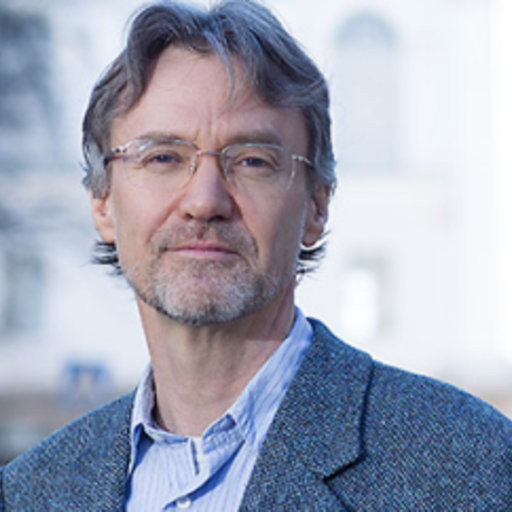
Barry K Gills is Professor of Development Studies, University of Helsinki, Finland and founding Editor and Editor in Chief of Globalizations journal and the Rethinking Globalizations book series (Routledge). He is also a founding member of the Extractivisms and Alternatives Initiative (ExAlt) and the Peoples Sovereignty Network.
Markus Kröger

Markus Kröger is a Professor of Global Development Studies at the University of Helsinki and a research fellow at the Academy of Finland. Professor Kröger is a member of the Helsinki Institute of Sustainability Science and one of the founding members of The Global Extractivisms and Alternatives research initiative (EXALT). He has written extensively on global natural resource politics, conflicts, and social resistance movements and the economic outcomes, especially in relation to iron ore mining and forestry. He is also an expert in political economy, development, and globalization in Latin America, India, and the Arctic.
Anja Nygren

Anja Nygren is a Professor of Global Development Studies at the University of Helsinki, Finland. She is also Director of the “Political, Societal and Regional Changes”–Doctoral Programme at the University of Helsinki, and Adjunct Professor of Political Ecology, University of Tampere, Finland.
Her research focuses on global extractivisms and altered socio-environments, with special interests in state-making, resource-making, political of scale, and dynamics of socionature. She is carrying out research on oil conflicts, water and vulnerabilities, disasters and displacements, certified coffee and cacao, environmental justice, and urban politics and planning. Anja has a long-term research experience in Mexico, Honduras, Nicaragua, and Costa Rica. She is currently leading research projects, with geographical focus on Mexico, Guatemala, Columbia, Peru, India, Cambodia, Laos, Indonesia, and Finland.