Africa has been at the centre of the United Nations Security Council’s peace and security agenda for decades, but remains absent from its permanent membership. Drawing on Africa’s Quest for Reform of the United Nations (UN) Security Council: Vitalities and Pitfalls, this piece written by the book’s author, Niguse Mandefero Alene, traces the colonial roots of this imbalance and examines both the case for reform and the challenges facing Africa’s Common Position.
Africa has a unique relationship with the United Nations as almost all African countries were under direct colonial rule both during the early negotiations to establish the United Nations (UN) and the founding conference. Following the establishment of the UN, Africa became a major focus, particularly during the continent’s fight for independence from colonialism. African peace and security issues also featured prominently in the Security Council’s discussions and resolutions. Yet, the continent does not have a single permanent seat. In the endeavour for UN reform, Africa is the only continent to bring about a shared continental proposal to reform the Security Council through the Ezulwini Consensus, conceived in 2005. This provided an additional rationale for Africa’s claims for reform, though the process has proven so far to be an unending Sisyphean task.
When writing my book Africa’s Quest for Reform of the United Nations Security Council: Vitalities and Pitfalls, I was particularly interested in reflecting on Africa’s distinctive relationship with the United Nations, one shaped by the circumstances of the organisation’s founding, and by the role Africa has since come to occupy within it. I also wanted to consider the continent’s call for representation on the Security Council against this historical backdrop, while asking a more difficult question: whether aspects of the Ezulwini Consensus may themselves be making Africa’s legitimate pursuit for reform harder to achieve.
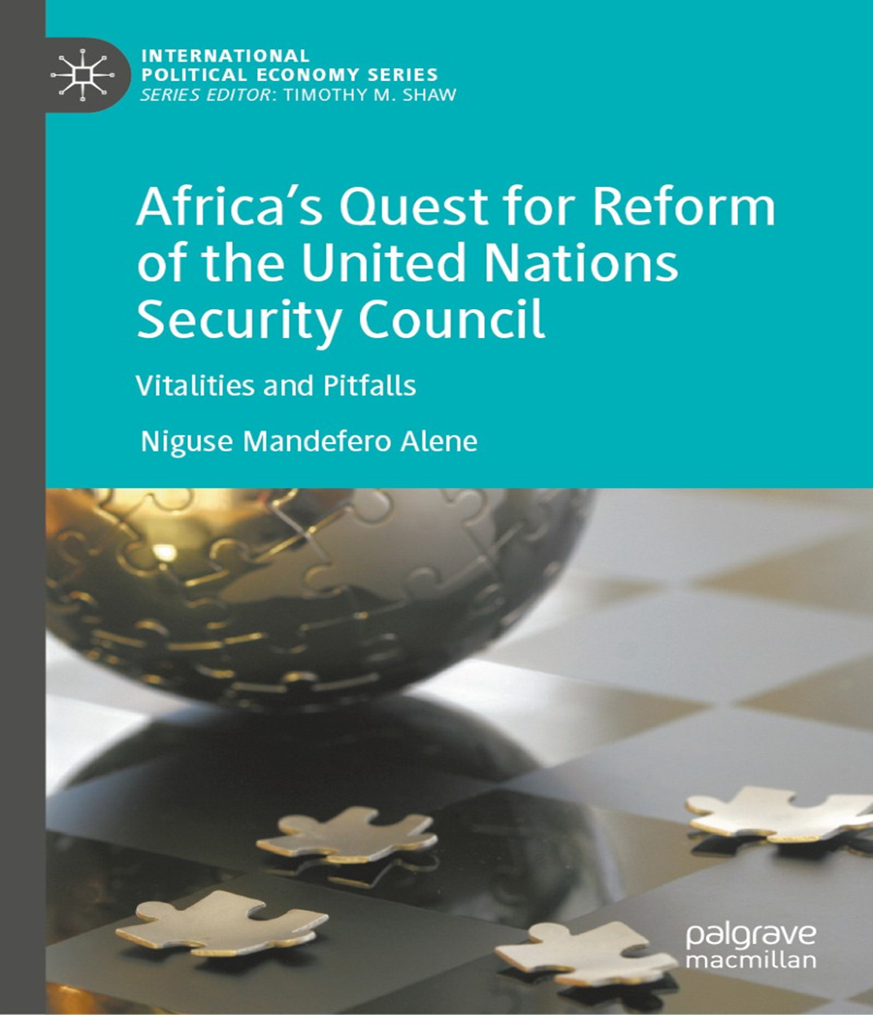
In this blog piece, I focus on the third chapter of the book, “The Intricate Relations Between Africa and the United Nations” which addresses the colonial roots of the Security Council. I also draw on chapters five, “The Major Vitalities of Africa’s Quest for UNSC Reform” and six, “Major Pitfalls of Africa’s Proposal for UNSC Reform”.
Colonial Undertones of the UN Security Council
The colonial undertones of the UN, and the Security Council in particular, can be seen in three stages – in the conference prior to the establishment of the organisation, the founding conference, and actions afterwards.
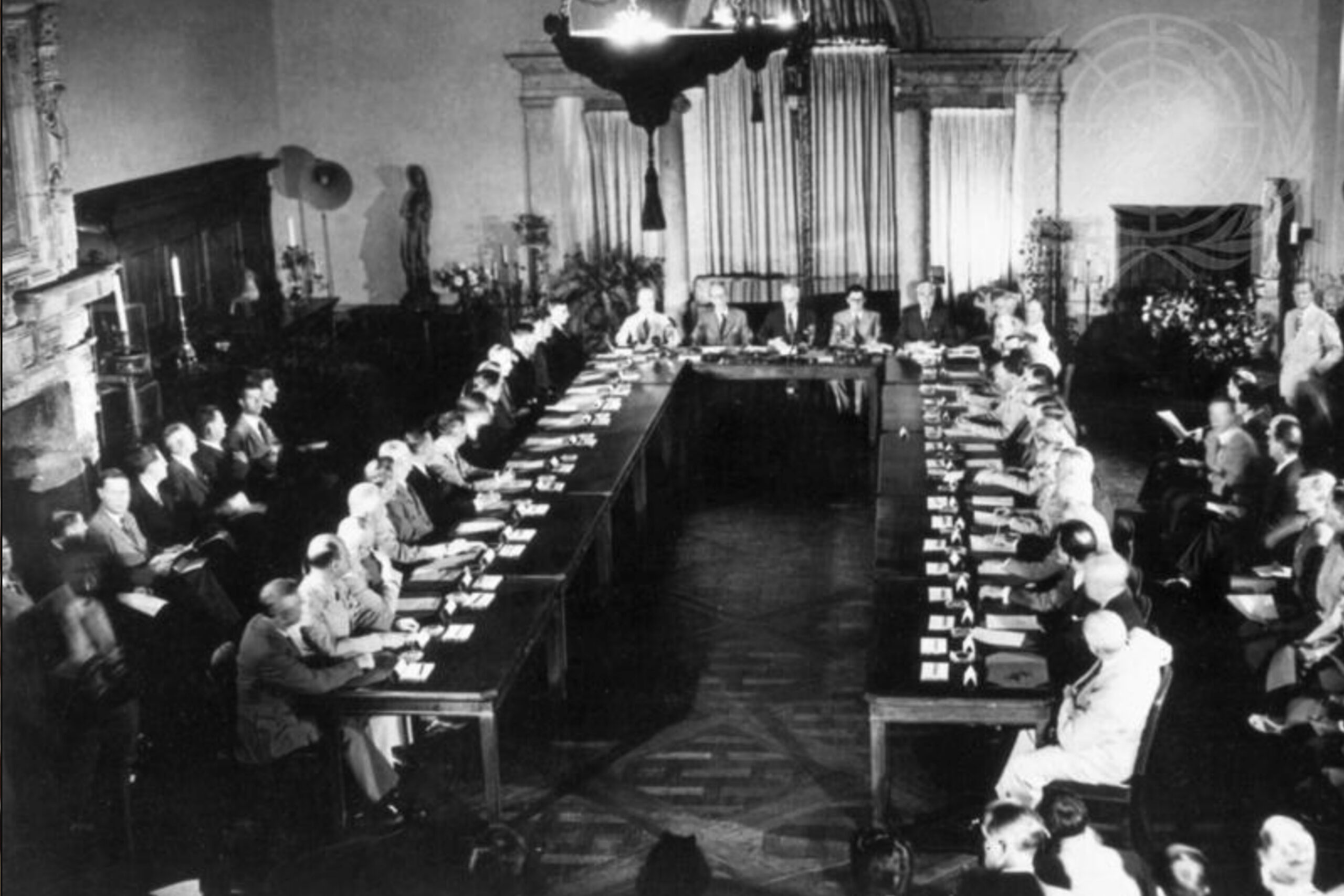
The colonial foundations of the United Nations were evident at the Dumbarton Oaks Conference held in 1944 in Washington DC, which set the basic organisational structure together with their functions and powers. The three countries, which participated at the Conference [United Kingdom (UK), United States (US) and then Union of Soviet Socialist Republics (USSR)], either wanted to maintain their colony or made the issue a bargaining chip. As a result of the disagreement and conflicting interests, any discussion of colonies or trusteeships was omitted from the Dumbarton Oaks agenda. For example, the United States wanted to retain control of strategically important islands captured from the Japanese in the Pacific, while the British were unwilling to see any other observer in their colonies. The USSR agreed to the omission on the condition that there would be no discussion of Soviet territorial expansion at the conference.
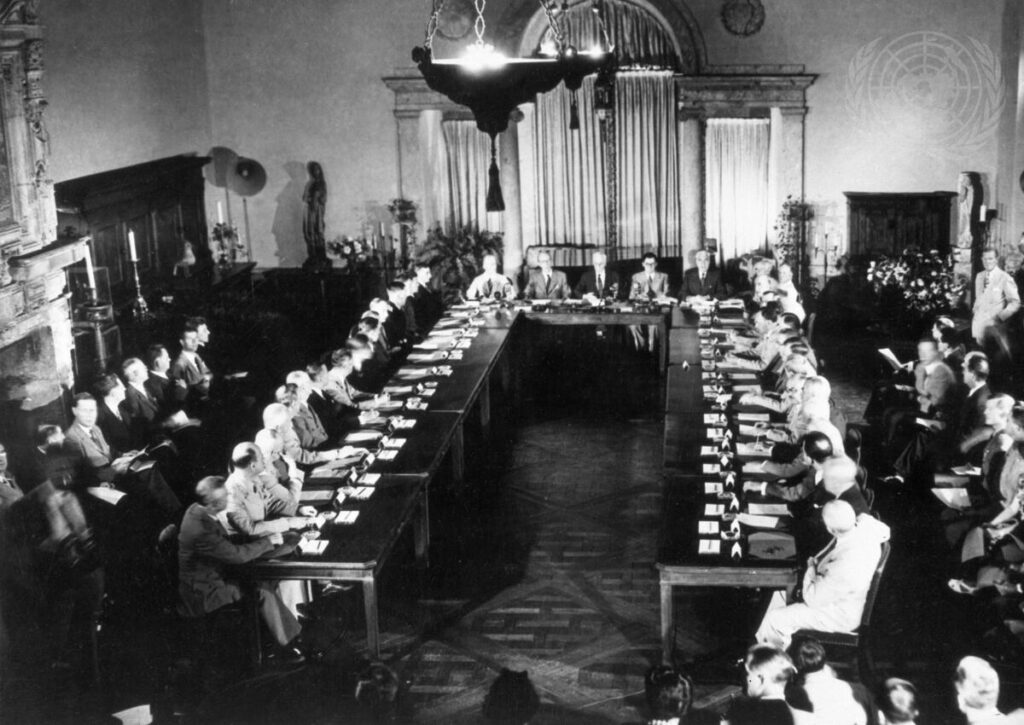
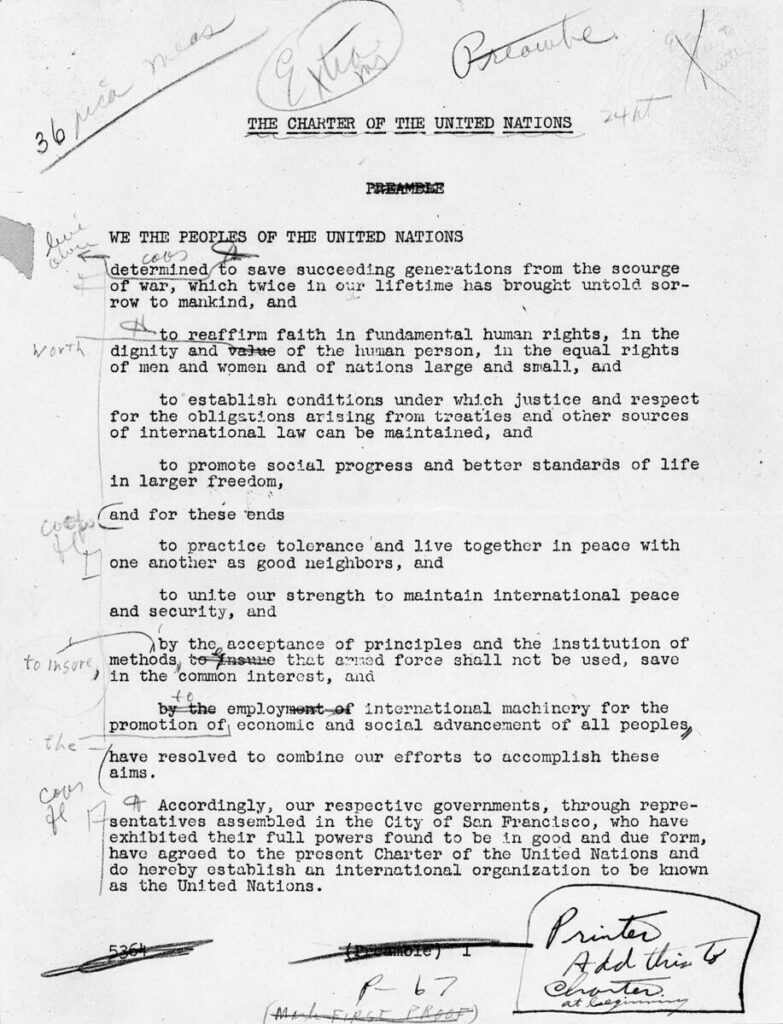
The founding conference of the UN in San Francisco was held a year later in 1945, but almost all African countries were absent due to colonial rule. At the San Francisco Conference, delegates drafted the charter for the UN based on the Dumbarton Oaks proposals including an additional proposal on veto power agreed up on at Yalta Conference, which held the same year to shape postwar peace and international order. Only four countries, Ethiopia, Egypt, Liberia and South Africa, participated at the conference. Yet even the standing of these countries to defend African matters was dubious. In the 1977 book, Africa’s International Relations, Ali Mazuri examines African diplomacy and the continent’s role in international affairs. Ethiopia had only recently emerged exhausted from Italian occupation. Liberia was still held hostage by the US. Egypt had a British military presence and was ruled by a monarchical regime marked by internal deficiencies and external reliance. South Africa had achieved independence but had not yet achieved freedom.
Colonialism was also a matter of great concern for Africa at the San Francisco Conference. The colonial powers (notably UK and France, as well as Portugal and Belgium) were still denying independence to many of their colonies. Nonetheless, the major powers of UK, USA and USSR had declined to take any concrete position on the colonial issue. Instead, they used the matter for their own advantage and to advance their own interests, and the conference ultimately failed to grant the Trusteeship Council, which was tasked with enabling self-determination in Trust Territories, any meaningful authority or power.
Decolonisation and Divisions within the UN
After the UN was established in 1945, the issue of decolonisation had been one of the main agenda items. So although the UN had been an arena for the fight against colonialism, the account of Security Council politics on decolonisation shows that the members only supported the concept when it served their interest. The General Assembly was sympathetic to African liberation and it established a committee to collect information about the conditions in the colonial areas. This helped the decolonisation wave of the 1950s and 1960s.
However, this support was far from universal within the United Nations. Members of the Security Council, particularly Britain and France, were against even the voluntary transmission of political information about the situation under their colony. They feared that it could be used to critique imperial rule. It was the Security Council that held the ultimate defining authority with the power to pass binding decisions and the wielding of veto power sidelined the issue of colonialism.
As African countries became independent, several of them became entangled with new security problems, which brought the relevance of the Security Council into a more prominent role. Peacekeeping missions became one of the main ways the UN responded to conflicts across the continent, and over time, Africa has become a testing ground for the implementation of peacekeeping operations.
Since the establishment of the United Nations, Africa has been the highest recipient of United Nations peacekeeping operations compared to any other continent. Of over seventy peacekeeping operations that have been deployed by the United Nations, over 40% have taken place in the African continent. Currently, out of eleven peacekeeping operations under the United Nations realm, five are in Africa.
The record of these UN peacekeeping missions in Africa has been mixed. Failures and incomplete projects significantly outnumber successes. Take for example, the UN mission in Somalia following the downfall of Siad Barre regime in 1991, which was tainted by lack of clear objectives and impartiality.
Permanent members of the Security Council have heavily influenced the effectiveness of the peacekeeping missions in Africa, particularly the permanent three members of the Security Council (France, Britain, and US), exercising considerable influence on how the Council responds to conflict, reflecting their narrow, and, in some cases, colonial interests. These historical foundations and dynamics signal the continuing and current relevance for reforming the UN Security Council from an African perspective, particularly regarding the representation of African interests in decisions affecting the continent.
Africa Calling for Reform – the Ezulwini Consensus
Against this backdrop, African countries have been pursuing reform of the Security Council, arguing that the continent should have a stronger voice in decisions that directly affect it. This demand took a more unified form in 2005 with the adoption of the Ezulwini Consensus, which set out Africa’s Common Position on UN reform.
The Ezulwini Consensus called for changes in both permanent and non-permanent Security Council membership. It argues that Africa should be allocated two permanent seats with the same veto power as the current permanent members and five non-permanent seats for African states on the Security Council. The Ezulwini Consensus calls for the African Union to select Africa’s representatives, taking into account the representative nature and capacity of the states.
The adoption of the Ezulwini Consensus marked an important shift from simply criticising Africa’s limited influence within the Security Council, to presenting a collective African vision for reform by outlining specific demands for greater representation and participation in Council decision-making. At its core is a straightforward concern: if African states are so frequently the subject of Security Council decisions, why did the continent remain without permanent representation in the body making those decisions?
In 2026, more than two decades after its adoption, the Ezulwini Consensus still remains the African Unions’ official position and document on UN reform. Nonetheless, despite continued efforts, it has made little practical progress. Africa’s quest for reform of the Security Council as constituted in the Ezulwini Consensus suffers from nearly insurmountable political and institutional problems.
Obstacles to Africa’s Security Council Reform Agenda
The major obstacles stem from some of the demands by the African Common Position (outlined in the Ezulwini Consensus), as well as challenges related to the African Union’s position. Other barriers stem from broader political realities of the United Nations, particularly the interests of the permanent members of the Security Council and the legal requirements for amending the UN Charter.
Perhaps the most difficult issue in advancing Africa’s Security Council reform agenda is the Ezulwini Consensus’ position on the veto. The Ezulwini Consensus calls for African permanent members to receive the same veto rights as existing members. This demand did not gain traction from other members of the United Nations, particularly the permanent members of the Security Council. However, their support is crucial, as meaningful reform to the Council ultimately requires their consent. This makes the veto question one of the biggest obstacles facing Africa’s reform agenda.
The question of representation, which is spelled out in the Ezulwini Consensus, presents another challenge for Africa’s Common Position on Security Council reform. This emphasis is largely focused on correcting Africa’s underrepresentation on the Security Council, but prioritises benefits and places less emphasis on the responsibilities associated with permanent membership. However, representation in the Council as a permanent member also comes with international responsibilities, including financial contributions, and the capacity to respond to international peace and security challenges. This raises important questions about the capacity of African states to take on the obligations associated with permanent membership.
African states already make substantial contributions to the UN in terms of contributing troops to peacekeeping operations, despite their relatively limited financial contributions. Nevertheless, financial resources remain essential to the functioning of the UN and its peacekeeping operations. A relatively small group of countries account for a large share of the UN’s assessed budget, with the United States alone accounting for almost a quarter of the assessed budget, while a handful of states cover more than two-thirds of the budget. This creates a difficult question for the African reform agenda: should permanent representation be based primarily on correcting historical and geographical imbalances? Or should a state’s capacity to shoulder the financial and political responsibilities of permanent membership also play a role?
Moreover, the African Unions’ inability to expressly state clear criteria for selecting candidates for permanent membership, and for failing to identify specific countries for the seats, highlights the fractures and divisions in the continent. There is a lack of consensus on the potential candidates, leaving the question of “who represents Africa?” unresolved.
Africa’s Common Position calls for regional representation, however, the African Union is not clear about what regional representation means in practice. More fundamentally, it is hard to say that there is a common African preference when the countries across the continent have differing views on critical regional and international issues.
Africa’s demand for two permanent seats on the UN Security Council, with full veto powers for as long as the veto exists, represents an ambitious or maximalist reform position. While the argument that Africa was underrepresented when the United Nations was founded has a clear and strong basis, translating this claim into reform has proved politically difficult. In particular, it does not fully account for the stringent requirements for amending the UN Charter, or for the challenges African states face in reaching a common unified African position on representation.
Africa’s Quest for Reform of the United Nations Security Council: Vitalities and Pitfalls (published by Springer Nature)
by Niguse Mandefero Alene
The book underscores Africa’s unique relationship with United Nations system at its foundation and actions afterwards
The book argues that elements of Ezulwini Consensus undercuts Africa’s fair demand for reform of the Security Council
Africa’s call for representation at the Security Council pertains to the demand for reparation of historic injustices
Further Reading
- Anderson, C. (2003). Eyes off The Prize: The United Nations and the African American Struggle for Human Rights, 1944-1955. Cambridge: Cambridge University Press
- Boulden, J (Ed.). Responding to conflict in Africa: The United Nations and regional organizations. New York: Palgrave Macmillan
- Hilderbrand, R. C. (1990). Dumbarton Oaks: The Origins of the United Nations and the Search for Postwar Security. Chapel Hill: The University of North Carolina Press
- Luck, E. C. (2006). UN Security Council: Practice and promise. London, Routledge
- Mazrui, A. A. (1977). Africa’s international relations: The diplomacy of dependency and change. Routledge: New York
- Welz, M. (2021). Africa since decolonization: The history and politics of a diverse continent. Cambridge: Cambridge University Press
About Niguse Mandefero Alene
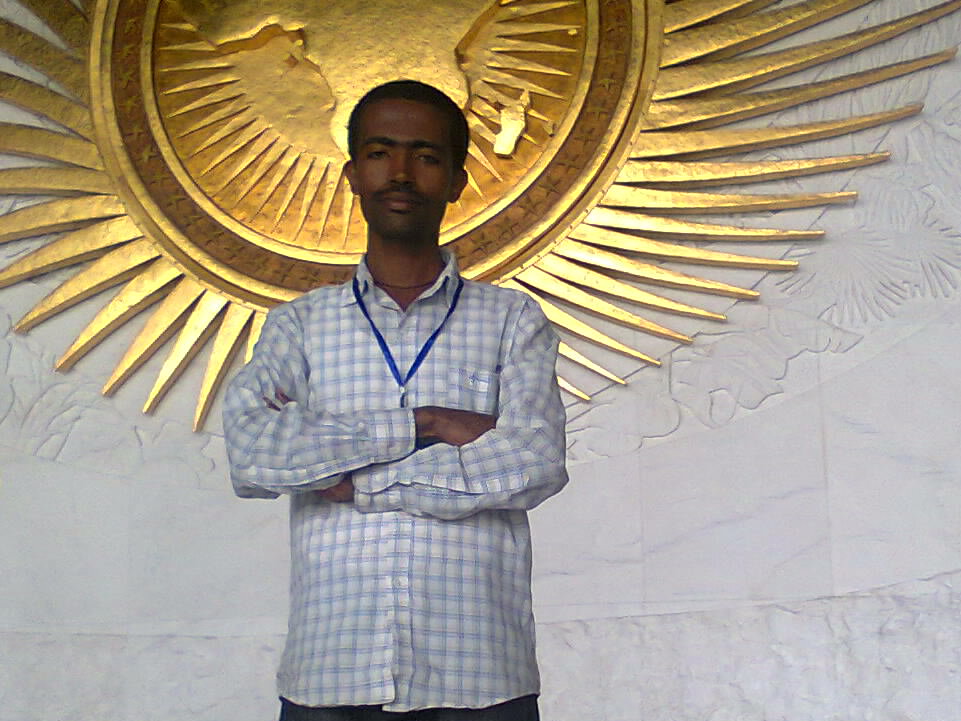
Niguse Mandefero Alene is assistant professor in the Department of Political Science and International Studies at Bahir Dar University, Ethiopia. His research interests include global governance, foreign policy and security issues.