How might a researcher’s own presence shape the stories that are told? In this blog post, Kullanit Nitiwarangkul, a PhD graduate from the Department of Media, Culture and Creative Industries at City and St. George’s University of London, reflects on her experience of researching women’s perceptions on what ‘successful ageing’ means in Thailand. The piece offers practical advice for researchers to enhance reflexivity in their research process, how casual rapport can unintentionally shape data, and how to better represent the experiences of individuals from diverse backgrounds.
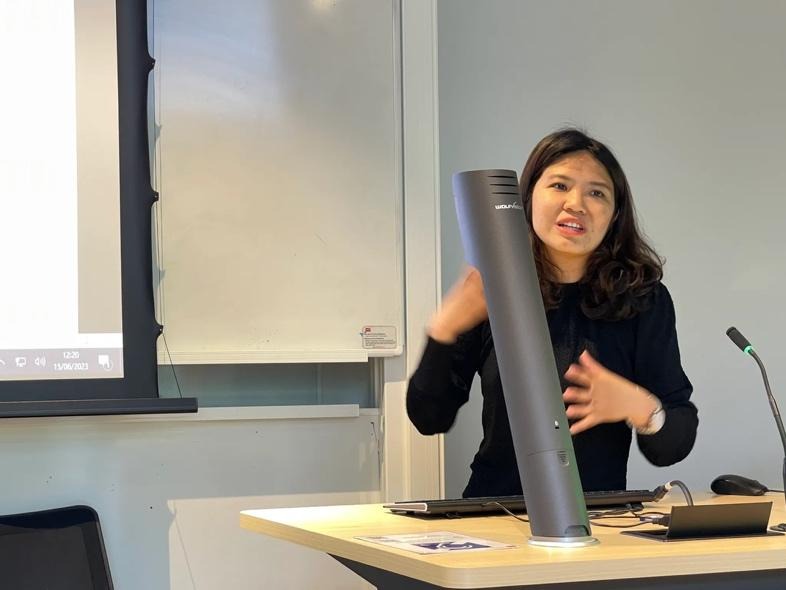
I am Kullanit Nitiwarangkul, a Thai feminist researcher whose work explores how women in Thailand understand and experience ageing. A question I’m often asked is, “Why are you interested in studying older women’s experiences?” Throughout my research, this question stayed with me, not because it challenged the legitimacy of the topic, but as it revealed assumptions about age, authority, and who is considered qualified to produce knowledge about ageing.
Thailand has one of the fastest-growing older populations in Asia. In 2024, Thailand had the highest proportion of older persons in Southeast Asia, with more than 20% being 60 or over. This relatively recent phenomenon has shaped my interest in ageing populations. For my PhD, I chose to examine how older women understand ageing, an area that remains surprisingly under-researched in the Global South.
What Does “Successful Ageing” Mean?
Although Thailand’s senior population is rapidly growing, state support including pensions, social security, housing and healthcare often remain insufficient, particularly in the wake of the pandemic and ongoing political turbulence.
This demographic shift has made me increasingly anxious about my later life, especially as a woman likely encounter the ‘double standard of ageing’, where women are more likely to face higher expectations than men to maintain a youthful appearance, while simultaneously navigating major life transitions related to health, relationships, care responsibilities, retirement, employment, and financial security.
My research focuses on ‘young-old’ women (aged 60-69 years old), who are often targeted by ‘positive ageing’ rhetoric in media campaigns. These women are presumed to have greater purchasing power and better well-being than previous generations of older adults. In Thailand, where the average retirement age is 60 years old, this group of women are assumed to have more time for leisure, travel and consumption.
However, the older female demographic in Thailand is more likely to face financial difficulties than their male counterparts. In 2024, Thai Government statistics indicate that employment was the primary source of income for approximately 25% of women aged 60 and over, compared to 46% of men.
A greater proportion of women within this age group are concentrated in the lower average monthly income brackets compared to men. Thai Government statistics also show that over 18% reported earning between 10,000 – 29,999 Thai Baht per month (approximately 320 – 965 USD), compared to 13.7% of older men in the same category.
This data highlights significant gender inequality among older adults. Older women are more likely to experience age and gender based discrimination, limiting their access to higher-paying positions and reducing their ability to remain in employment. Many work in informal and service sectors, which are often less financially rewarding and secure. Moreover, they often carry disproportionate domestic and caregiving responsibilities, especially as this group also has to look after family members of different generations.
Additionally, older women are often confronted with the scarcity of public welfare. Despite these challenges, women, by social norms and government policy, are expected to age ‘successfully’ through individual effort and self-reliance, regardless of their socioeconomic position.
Navigating Generational Differences and My Positionality
“I decided to reflect more critically on my verbal and nonverbal responses, particularly my tendency to express ‘positive’ reactions to participants’ ‘active’ ageing lifestyles, and to consider how these interactions influenced my findings and analysis.”
Kullanit Nitiwarangkul
In qualitative research, reflexivity is crucial. It requires researchers to remain consciously aware of the factors that may inevitably shape the research process and outcomes. This can include their role in framing the research focus and the power relations between themselves as researchers and participants. One of my initial concerns was the generational gap between my participants and myself.
As a woman in my thirties, I was conscious of the difference between us. This gap made it difficult for me to fully understand their lived experiences, particularly those related to physical transitions and challenges, such as illnesses, and their responsibility as senior family members, including roles as mothers and grandmothers. It also limited my ability to imagine and fully situate myself within the historical contexts that shaped their values and worldviews, such as cultural norms, political events, and differential access to digital technologies.
I was drawn to this research because it explores circumstances that I will likely encounter in my own future. At the same time, our differences sometimes led to divergent viewpoints. One such moment happened during a semi-structured interview when we discussed the recent youth-led anti-establishment political protests in Thailand in the early 2020s. Some participants viewed these protests far more negatively than I did as a politically ‘left-leaning’ millennial researcher.
During these moments, I was mindful of the potential for my own political position to shape the interaction. I deliberately refrained from escalating disagreements in order to maintain professionalism and keep the focus on my research questions.
My research is situated within Thai cultural contexts, where respect for elders and age-based hierarchies are deeply rooted. Although I played a more formal authoritative role as the researcher or interviewer, my participants arguably held greater interpersonal power because of their seniority.
In order to align with these cultural norms, I sometimes expressed agreement with their accounts, both consciously and unconsciously. My genuine admiration for the ‘healthy’ lifestyles of some participants also led me to give affirmations and compliments during the interviews. While these responses helped build rapport and demonstrated respect, they may have encouraged participants to present themselves in socially desirable ways as ‘active’ or ‘healthy’ agers rather than sharing their more nuanced and fully ‘authentic’ life stories.
For example, when several participants spoke about their leisure and hobbies that I personally found particularly engaging, such as volunteering for social causes, travelling, or scuba diving, I tended to express affirmation and support through my responses such as “that is interesting!” or “that sounds great!”. These affirmations appeared to prompt participants to elaborate on what were ‘socially desirable’ representations of themselves. Consequently the interviews often became centred on these activities rather than on other aspects of their ageing, everyday routines and lifestyles.
By contrast, a few participants expressed self-consciousness when discussing their self-care practices. One participant showed me her ‘unused’ treadmill, which had been repurposed as a clothes airer, as a way of illustrating her lack of exercise. She went on to describe her physical and health insecurities, positioning herself as less of a ‘healthy ager’ as she became aware that my study focused on ‘successful ageing’.
In light of these observations, I decided to reflect more critically on my verbal and nonverbal responses, particularly my tendency to express ‘positive’ reactions to participants’ ‘active’ ageing lifestyles, and to consider how these interactions influenced my findings and analysis.
These moments became valuable data in their own right. They revealed the extent to which women internalised social expectations, surrounding ageing and lifestyle. At the same time, they also prompted me to reflect on how, as a younger researcher, I may have inadvertently reinforced or reproduced normative ideals of ageing through my interactions with participants and as part of the broader data collection process.
When Rapport Shapes Data
Despite our generational differences, we shared many similarities. We came from similar social and economic backgrounds as middle and upper class women living in Bangkok.
When reporting the study’s findings, I acknowledged that interviewing individuals within close social networks may introduce biases. However, my sampling approach aligns with feminist research perspectives that prioritise proximity, relationality and trust between researchers and participants, rather than emphasising ‘objectivity’ and treating each interviewee as detached ‘experimental subjects’.
Our shared backgrounds, along with my familiarity with some of my participants’ life stories enhanced my understanding of their perspectives and experiences. For example, I recognised that, as middle to upper class women, we have access to financial resources that make professional care services, such as domestic carers and care homes, affordable. As a result, many participants and I held similar views, particularly regarding the possibility of avoiding reliance on family members for care.
At the same time, I remained aware that such privileges are not widely available to all. Most older people in Thailand continue to depend on familial care. Reflecting on our shared socioeconomic positioning also helped me to better understand the disparities in livelihoods and access to resources among older individuals across different socioeconomic groups.
Why is Reflexivity Important When Researching Ageing Populations?
It is impossible to completely eliminate bias or the researchers’ influence in qualitative research, as it is grounded in human interactions shaped by emotional, relational, and linguistic dimensions. The differences and similarities between participants and researchers, as well as the relationships formed between them, are integral to the research process. Being a younger researcher did not disqualify me from studying older women’s lives. Instead, it required deeper reflexivity, care, and attentiveness.
I am also aware that there are broader structural imbalances in ageing research. Around 80 percent of journal articles in gerontology or ageing studies originate for, or are based in, high-income countries. While their population only constitutes 30% of the world’s population. There is therefore, an urgent need for more research in Global South countries, which represent a larger share of the world’s population, yet remain underrepresented in research, policy, and public debate on ageing – particularly in the context of rapidly growing older populations.
In many of these settings, generational gaps have also become increasingly pronounced due to deep-rooted cultural norms, divergent political and worldviews, and rapid technological advances.
Furthermore, the number of older individuals, particularly women, who are single or living alone, is increasing. The proportion of Thai senior citizens living alone has significantly increased from approximately 9% in 2014 to almost 13% in 2021, despite the country’s family-orientated culture. Older women constitute the majority of this group as they are more likely than men to be either widowed or single compared to men, at approximately 44% of older women and 17% in 2024 older men, respectively.
This population is expected to continue growing, both in Thailand and globally, due to declining birth rates and shifting familial structures and traditions resulting in decreasing numbers of multigenerational households. These demographic changes highlight the need for further research and targeted support, particularly within contexts characterised by reduced public welfare provision and scarce social resources, as well as limited familial care.
I therefore encourage younger scholars to engage more actively with ageing research and with individuals across different age groups. At the same time, it is essential to remain critically aware and ‘reflexive’ about one’s own power, positionality and relationship to participants, as well as the broader research context. Such engagements can foster intergenerational dialogue and empathy amongst individuals across generations and social backgrounds, helping to address social disparities and inequalities, and promote diversity and inclusion in research and policy.
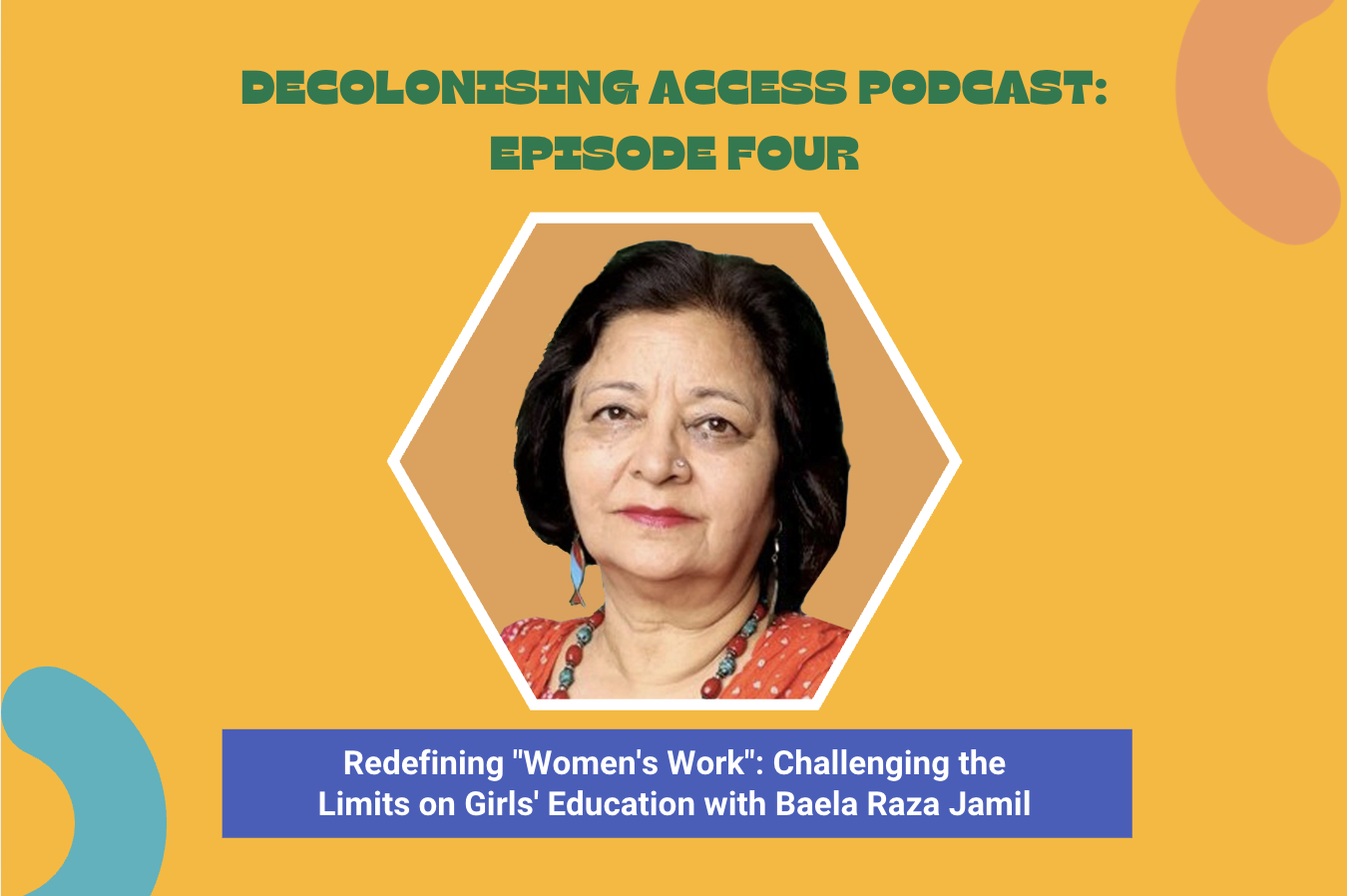
Interested in learning more about the topic discussed in the blog? Listen to the first episode of the Global Souths Hub Podcast on ageism within academia and what it’s like to study a PhD in your 70s with Anni Domingo.
Further Reading
Kullanit Nitiwarangkul’s As seen on screen: What do women want as they grow older? The Sociological Review. (10 February 2026)
Kullanit Nitiwarangkul’s Are older women less digitally literate? Media representations of older women’s use of digital technologies in Thailand Intelligence Centre for Older Media Literacy. (17 January 2024)
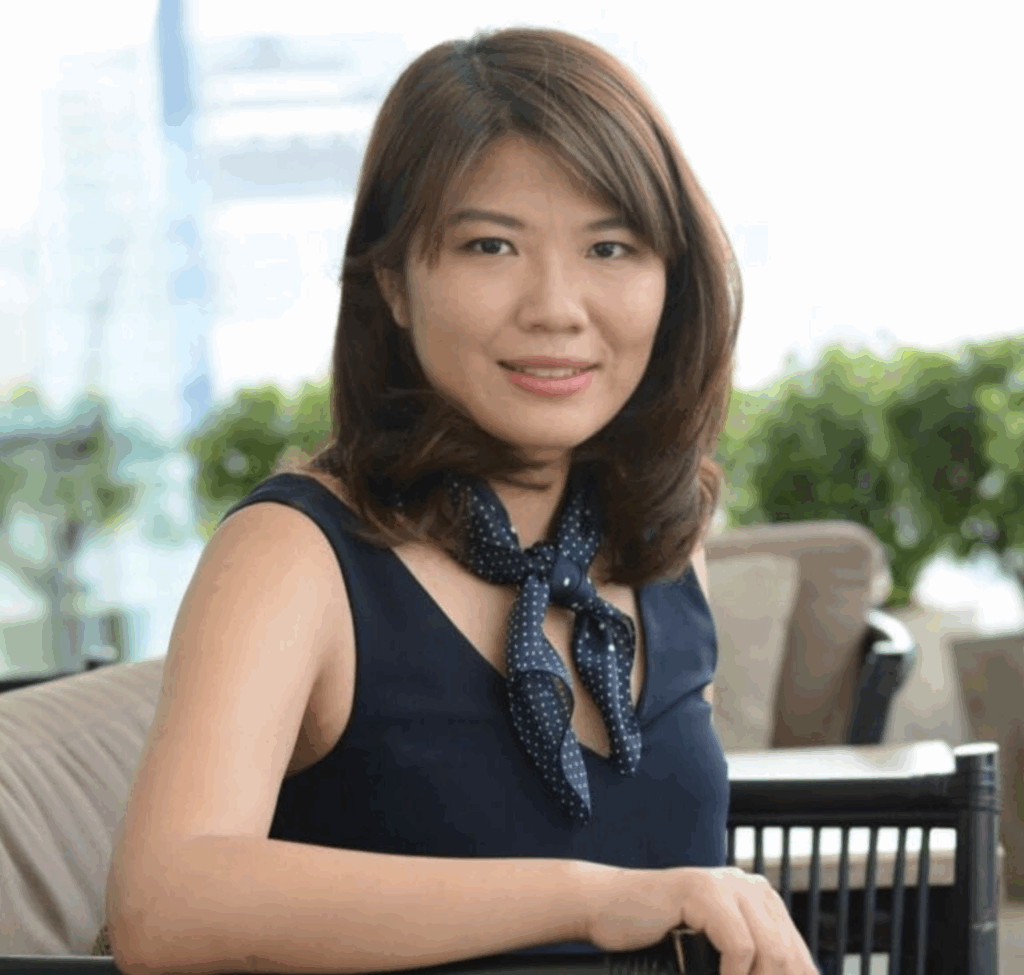
About Kullanit Nitiwarangkul
Kullanit is a PhD graduate in Cultural Policy Management (Sociology and Media) at City, University of London. Her research focuses on women’s perceptions of successful ageing and on the mediated representations of women’s ageing in Thailand. She is currently a Visiting Lecturer at the Department of Sociology and Criminology at City, University of London. She received a BSc in sociology from the London School of Economics (LSE) and a master’s degree in media and communications from the LSE and the University of Southern California. She previously managed gender equality at international organisations and projects, including UN Women and USAID. She also has experience in higher education and secondary school teaching in various subject areas in the social sciences, including sociology, gender studies, criminology, and qualitative methodology, amongst many others.