In the run up to Global Day of Action for Climate Justice and as global leaders gather at COP30 in Belém, Brazil (10–21 November 2025), we are reminded that climate justice extends beyond environmental protection, it is also about the fight for equity, dignity, and the right to a future.
In this spirit, three of our recent Global Souths Hub contributors, Ginbert Permejo Cuaton, Saba Attfield and Queenie Agdalipe, share their powerful insights and recommended readings that illustrate how communities across the Global South are leading the charge for justice. Their work reflects a shared truth: that those least responsible for the crisis are impacted the most.
“It is both a geographical and intergenerational injustice that those who have least responsibility for the climate crisis are often the ones suffering most.”
— Ban Ki-moon
Below, we’ve gathered their top recommendations and resources that amplify movements for equity, indigenous sovereignty, and intergenerational justice.

1. Disaster Justice in Philippine Studies: Historical and Ethnographic Viewpoint – Journal Volumes
These twin issues, Disaster Justice of the journal Philippine Studies: Vol 71, No. 4 (Dec 2023) and Vol 72, No. 1 (Mar 2024) offers a deep dive into what disaster justice really means in the Philippine perspective. Together, these two issues challenge conventional frameworks, showcase community-based solutions, and invite readers to reflect on the links between climate action, disaster response, and lived experience. (Ginbert)
2. Indigenous Peoples: Leaders in Climate Action (UNFCCC) – Article
This short United Nations Framework Convention on Climate Change (UNFCCC) article highlights how Indigenous Peoples lead and participate in climate action across local and global scales, through various projects and coalitions. It introduces the Local Communities and Indigenous Peoples Platform (LCIPP) which is a vital space amplifying Indigenous leadership in climate policy. (Ginbert)
3. Indigenous Knowledges for Climate Change Adaptation – World Development Journal
A recent collaborative piece in World Development explores how Indigenous knowledge systems shape adaptation strategies in the Philippines, Fiji, and Viet Nam shows how communities draw on traditional ecological wisdom to design locally grounded, culturally resonant responses to climate change. It is a powerful reminder that meaningful climate action must centre Indigenous leadership. (Ginbert)
4. Thinking Strategically About Climate Litigation – A Book Chapter
Within the book, Thinking strategically about Climate Litigation, the chapter Litigating the Climate Emergency written by Ben Batros (a human rights lawyer) and Tessa Khan (an environmental lawyer) provides guidance for practitioners on pursuing climate litigation strategically and effectively. Drawing lessons from human rights movements, it offers a framework for maximising impact and avoiding common pitfalls. It is essential reading for those navigating climate law and justice. (Saba)
5. Business Human Rights Journal – Journal Article
In this 2023 article (Decentring Narratives around Business and Human Rights Instruments: An Example of the French Devoir de Vigilance Law), Debadatta Bose (University of California, Berkeley) uses a Third World Approaches to International Law (TWAIL) lens to expose colonial legacies embedded in European legislation that claim to protect Global South communities from environmental and climate injustices, as well as other business and human rights violations, committed by multinational corporations headquartered in the Global North. Bose not only critiques these frameworks but also proposes constructive pathways to enhance Global South inclusion in international business and human rights frameworks. (Saba)
6. Blue Justice for Small-Scale Fisheries: A Global Scan – Too Big To Ignore (Vols. 1 – 3 , 2022) – E-book
This three-volume e-book offers a global view of equity, access, and human rights in small-scale fisheries governance. It resonates with the Atin Ang Kinse (The 15 Kilometers Is Ours!) campaign in the Philippines, a movement defending small-scale fisherfolk’s access to municipal waters. The book reminds always reminds me that marine protection is not only ecological but also social and cultural, upholding the rights and knowledge of those who fish closest to home. (Queenie)
7. Elevating Marine Conservation Excellence: Coral Triangle Embarks on IUCN Green List Journey – IUCN (2025) – Journal Article
This article documents the Coral Triangle Initiative’s journey toward achieving the IUCN (International Union for Conservation of Nature) Green List, a process that strengthens Marine Protected Areas through locally driven conservation. It’s close to my heart because it’s led (one of many) by my mentor, Maeve Nightingale, who inspired me to establish CurrentShift which bridges traditional knowledge and scientific insight to advocate for just, inclusive, and sustainable fisheries in the Philippines The Coral Triangle, often called the “Amazon of the Seas,” reflects how women-led, community-based initiatives can shape global conservation impact. (Queenie)
8. Women on the Frontlines of Ocean Conservation UNDP Climate Counts (2023) – Feature Article
This Climate Counts explainer brings together stories of women defenders, from seaweed farmers, climate activists, changemakers, and conservationists across the Asia-Pacific. These “women at the frontlines” show that leadership begins with care and community, and can hold coasts and communities together, one tide at a time. It centers women’s voices in nurturing conversations about conservation.
This is because women and children are the most affected by climate change, from beijng married off for survival when rising temperatures bring drought to being exploitated in the “Sex for Fish” trade. Seeing women not only have their voices heard but also exercise their full rights, lead initiatives, and receive genuine support is both hopeful and inspiring. (Queenie)
9. Yaku Mama Flotilla – Movement
In the lead up to COP30, follow the The Yaku Mama Flotilla, an inspiring river-based movement uniting Indigenous women, youth, and environmental defenders from across the Amazon Basin to protect their rivers and ancestral lands. Named after the Quechua “Mother of Water,” (a mythical enormous serpent believed to inhabit the Amazon Rainforest), the flotilla is travelling from the Andes to the Amazon, bearing the slogan “End Fossil Fuels – Climate Justice Now”. They want to highlight the crucial role of Indigenous communities in preserving our planet’s most vital ecosystems. Over their 3,000 km journey to COP30 in Belém, the group has been posting their stories regularly on Instagram. (Zara)
10. World’s Youth for Climate Justice – Youth Movement
For those passionate about climate justice and intergenerational equity, the World’s Youth for Climate Justice movement exemplifies youth-led global advocacy. Their campaign is courageously bringing the world’s most urgent issue, climate change, to the highest legal stage, the International Court of Justice (ICJ). In July 2025, the ICJ affirmed that states have a legal obligation to prevent environmental harm that could cause significant damage to other nations and to future generations, a major milestone that shows the power of youth-led advocacy in shaping international climate law. (Zara )
Recommendations from our Hub Contributors

Ginbert Permejo Cuaton
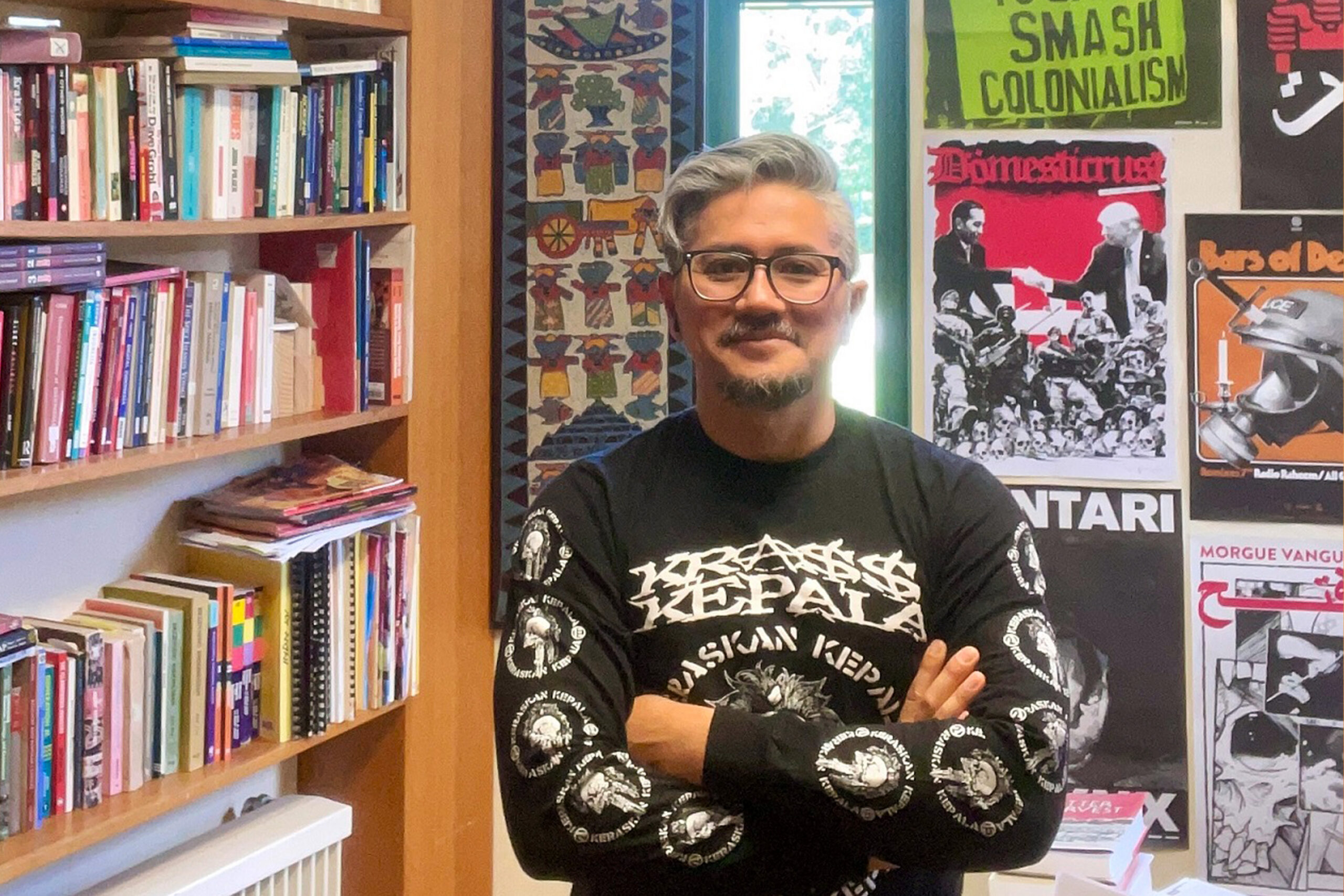
Dr Ginbert Permejo Cuaton is a Hong Kong-based scholar whose work explores disasters, displacement, and climate action in Southeast Asia, particularly in Indonesia, Malaysia, the Philippines, and Viet Nam. His research draws on lived experiences and social policy to ask how communities rebuild, resist, and reimagine justice and resilience in the face of climate crises. He is currently a Research Assistant Professor at Lingnan University in Hong Kong SAR of the People’s Republic of China.
Read his article: ‘Exploring Resettlement in Disaster Risk Reduction and Climate Adaptation

Saba Naomi Attfield
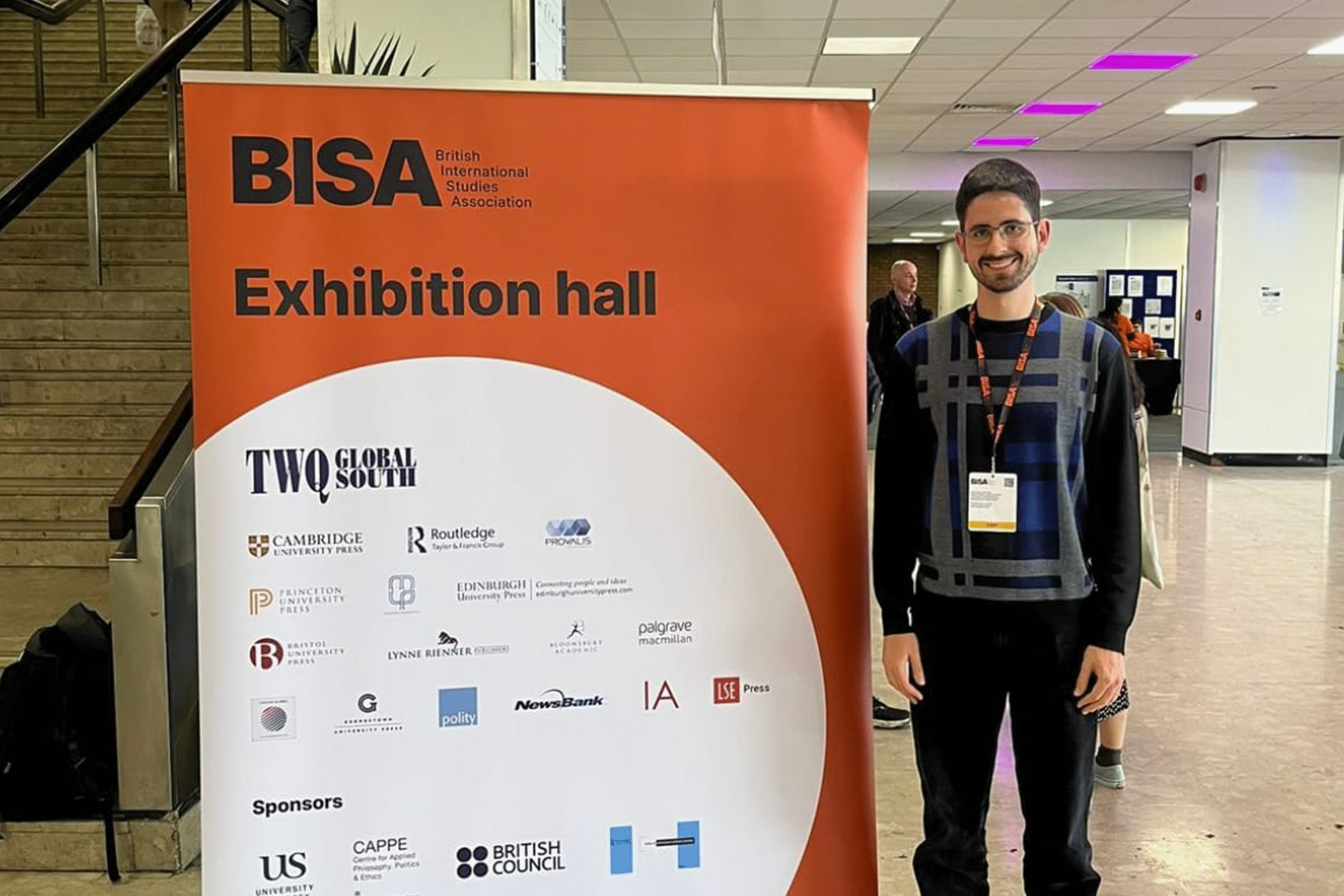
Saba is a postgraduate in Global Environment and Climate Change Law from the University of Edinburgh Law School, and an undergraduate in Politics, Philosophy, and Law from the University of Warwick. Saba was a student climate activist at the University of Edinburgh with the People & Planet network, and also developed research materials for Pro Public (Friends of the Earth Nepal) a forum for the protection of public interest in Kathmandu, Nepal. She is also a co-founder and treasurer of the UK branch of the Sustainable Development Governance and Law Association, which will be launched in 2026 with the Centre for International Sustainable Development Law. Learn more about her on LinkedIn, and contact her for further details on her research through her email.
Read her article: The Decolonisation of Niger Delta Oil Pollution Cases

Queenie Agdalipe
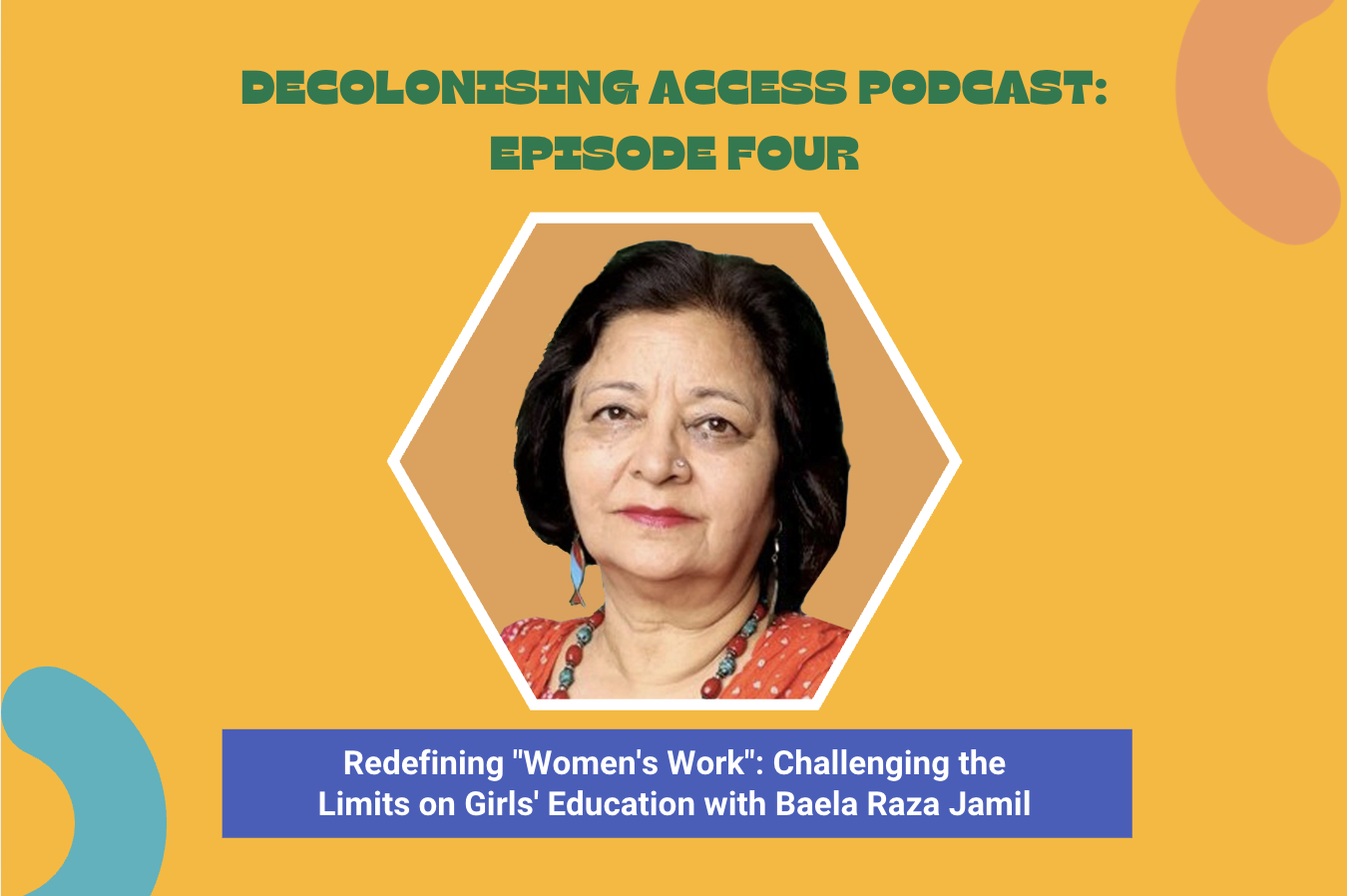
Queenie Agdalipe (she/her) is an early-career ocean professional from the Philippines. A fisheries graduate of the University of the Philippines, she founded CurrentShift, a youth-led nonprofit that bridges traditional knowledge and scientific data to uplift coastal and fisherfolk communities and shift their current realities into a more sustainable, and better future where fisheries is more empowered alongside its community. She co-convenes People Against False Solutions and Green Empowered Movement which are local initiatives that fight against waste-to-energy incineration in the country. She is currently the Partnerships and Grants Officer of Mangrove Matters PH and a member of the East Asian- Australasian Flyway Partnership – Youth Task Force.
Read her article: Our Ocean, Our Future: A Wave of Reflections from the East Asian Seas Congress 2024